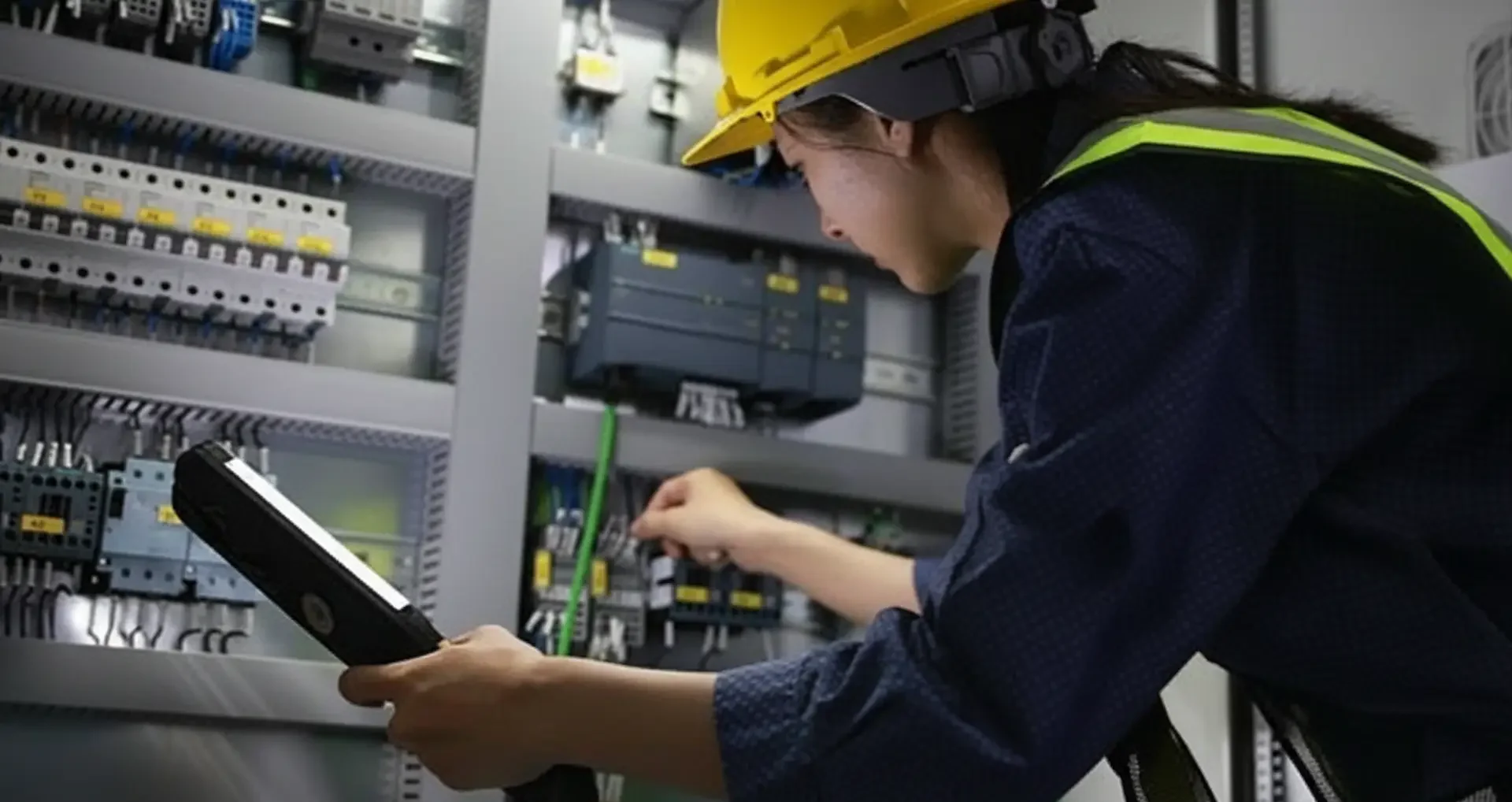
Replacing an electrical panel is not a one-size-fits-all project. Some homeowners need a panel replacement because existing equipment is damaged or deteriorated. Others are planning renovations, adding new electrical loads, or considering a larger electrical service.
Before replacing anything, the existing electrical system should be evaluated to determine whether the right solution is a repair, panel replacement, subpanel, additional circuits, or a larger service change.
RJ & Son Electric provides electrical panel upgrades and service changes throughout Suffolk County. The company is led by Richard Gruttola, a licensed and insured Master Electrician.
Considering an electrical panel replacement?
Call RJ & Son Electric at
(631) 833-7663
to discuss your existing electrical system and planned project.
How Do You Know Whether an Electrical Panel Needs Replacement?
Electrical symptoms should be investigated before assuming the panel itself is the problem. A breaker that repeatedly trips, for example, can be responding to a problem elsewhere in the circuit.
Reasons to have the panel and electrical system evaluated include:
- Repeated breaker trips during normal use.
- Recurring flickering or dimming across multiple fixtures or areas.
- Burning odors, buzzing, or unusual sounds near electrical equipment.
- Visible rust, corrosion, discoloration, or physical damage.
- Significant unexplained heat around the panel.
- Limited circuit space when additional electrical circuits are planned.
- Major new electrical loads that may change the property's capacity requirements.
- Recurring electrical problems that have not been resolved by previous repairs.
The Electrical Safety Foundation International also lists frequent breaker trips, dimming or flickering lights, buzzing, overheating, burning odors, sparks, and electrical shocks among warning signs that should be evaluated by a qualified electrician.
Review ESFI home wiring safety guidance .
Not every warning sign means the panel needs replacement. The correct repair depends on the source of the problem and the condition of the overall electrical system.
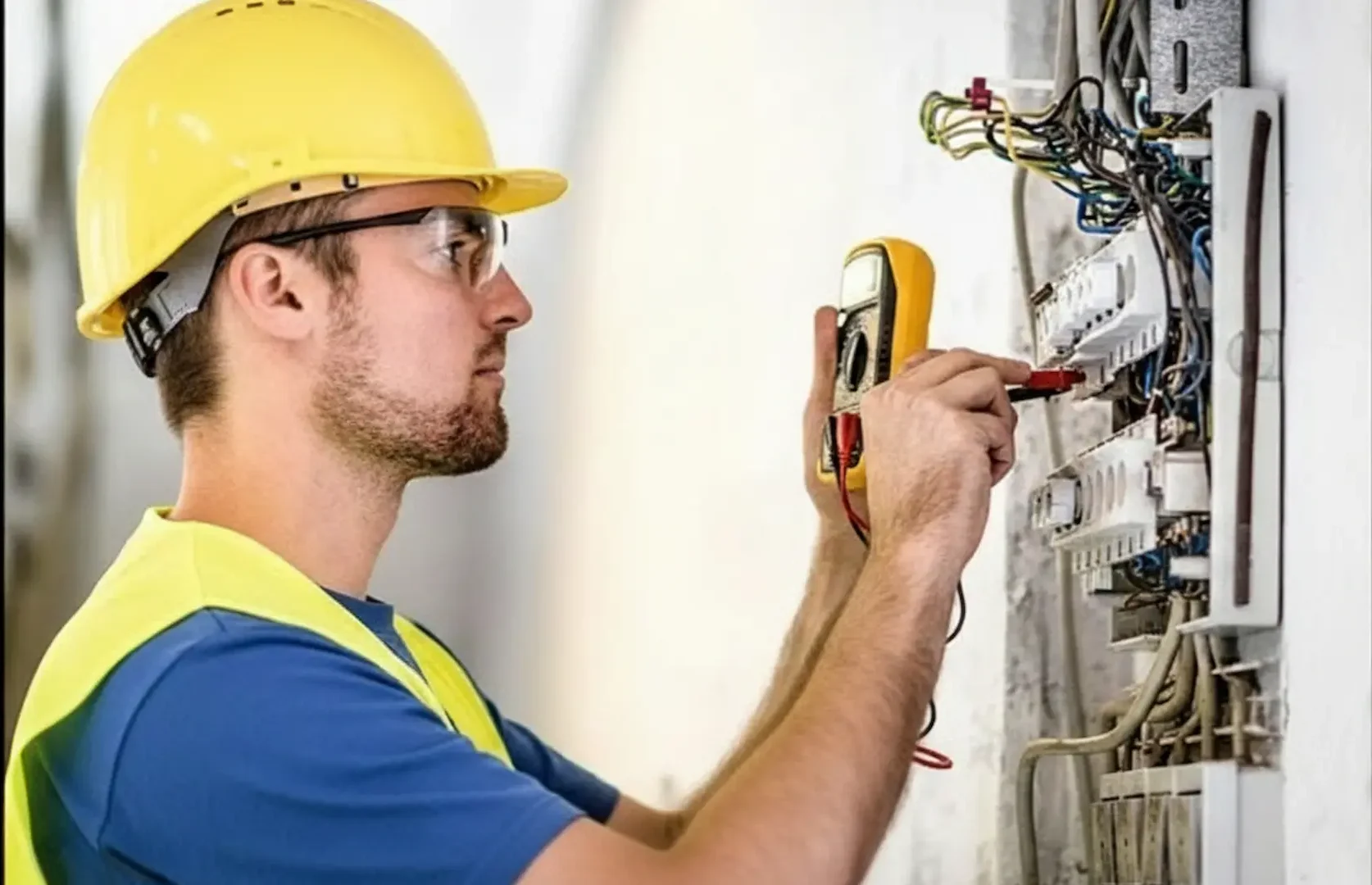
A professional evaluation helps determine whether the electrical problem calls for repair, panel replacement, or a larger service change.
Do Frequent Breaker Trips Mean You Need a New Panel?
No. A breaker is designed to interrupt power when certain electrical conditions occur, so repeated tripping should first be treated as a symptom that needs diagnosis.
Possible causes can involve:
- The connected electrical load.
- An appliance or other equipment.
- Wiring or circuit conditions.
- The breaker itself.
- Connections within the electrical system.
- The panel or electrical service.
If you are dealing specifically with repeated breaker trips, see our guide to circuit breaker installation and replacement.
Do Flickering Lights Mean the Panel Is Too Small?
Not automatically. Flickering or dimming can result from several different electrical conditions.
Recurring symptoms affecting multiple areas deserve professional evaluation, but the panel should not be replaced solely because lights flicker.
Panel Replacement vs. Service Upgrade: What Is the Difference?
A panel replacement and a service upgrade are related, but they are not always the same project.
| Project | What It Generally Means |
|---|---|
| Panel repair | A specific problem is corrected while the existing panel and service remain suitable |
| Panel replacement | The existing distribution panel is replaced with new equipment without automatically changing the property's total electrical service capacity |
| Service upgrade | The electrical service is changed or increased and may involve the panel, service entrance equipment, meter-related equipment, grounding, utility coordination, and other work |
| Subpanel installation | Additional circuit distribution or breaker space is added without automatically increasing the property's utility service capacity |
If you are not sure which category your property falls into, see our separate guide to electrical panel repair vs. upgrade.
What Happens Before an Electrical Panel Replacement?
A panel replacement should begin with understanding the existing electrical system and why the project is being considered.
1. Review the Existing Panel and Electrical Service
Richard can evaluate the panel, service conditions, available circuit space, electrical demand, and any visible electrical concerns relevant to the project.
The purpose of this first step is to determine whether replacing the panel is actually appropriate and whether the project also involves changes to the electrical service.
2. Discuss Current and Future Electrical Needs
Planned projects can change the electrical needs of a property. It is helpful to discuss additions such as:
- EV charger installation.
- Electric HVAC or heating equipment.
- Kitchen renovations or electric cooking equipment.
- Home additions.
- Hot tubs, pools, workshops, or other substantial electrical loads.
- Generator transfer switch installation.
These projects do not automatically mean the home needs a 200-amp service. They are reasons to evaluate available electrical capacity before the work begins.
3. Determine the Correct Scope
Depending on the property, the recommended work may involve:
- Replacing the existing panel.
- Changing the electrical service.
- Adding a subpanel.
- Adding or modifying circuits.
- Addressing wiring or grounding conditions related to the project.
- Completing other electrical repairs discovered during evaluation.
A 200-amp service should not be treated as the default answer for every modern home. The appropriate service size depends on the property's electrical demand and planned loads.
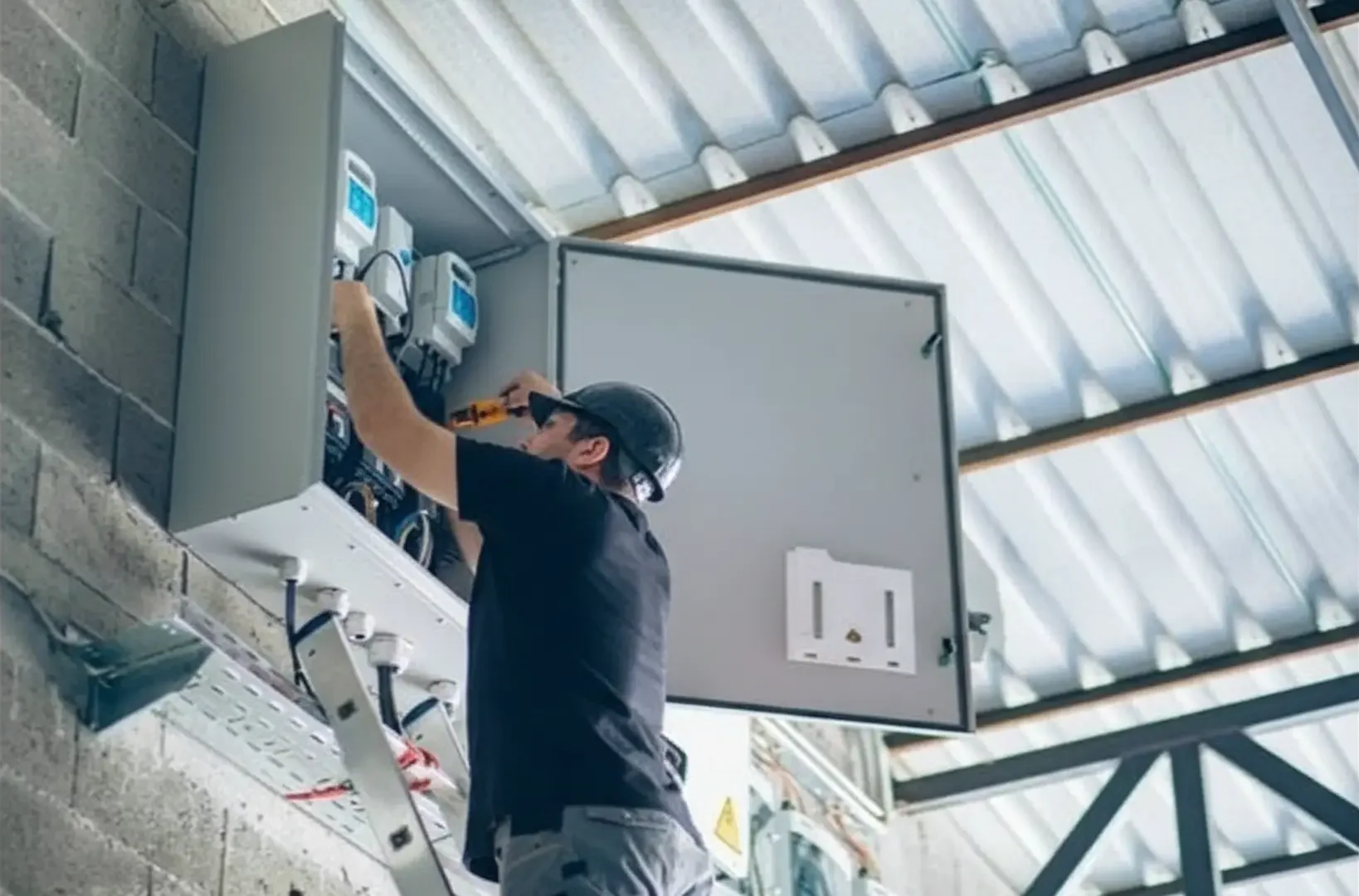
What Happens During an Electrical Panel Replacement?
The exact sequence depends on whether the project is only a panel replacement or also involves the electrical service.
A project that includes a service change can involve additional steps because utility service equipment and inspection requirements may also be involved.
Will the Power Be Off During Panel Replacement?
Electrical panel work generally requires an interruption of power while the affected equipment is being replaced or worked on.
The length and nature of the outage depend on the project. A straightforward panel replacement can be different from a service upgrade requiring utility coordination or additional electrical work.
Richard can discuss the expected interruption once the actual scope of the project is known.
How Should Homeowners Prepare?
Before the scheduled work, it can help to:
- Clear normal access to the electrical panel and surrounding work area.
- Plan around the expected electrical interruption.
- Consider refrigeration, home-office equipment, medical needs, or other systems affected by a temporary loss of power.
- Discuss any unusual property-access concerns before the appointment.
- Make sure Richard knows about planned electrical additions that may affect the project.
Site-specific preparation can be discussed when the project is scheduled.
How Long Does an Electrical Panel Replacement Take?
There is no reliable universal timeline for every Suffolk County panel replacement.
Project duration can depend on:
Panel vs. Service Work
A panel replacement that keeps the existing service configuration can be different from a complete service upgrade.
Existing Wiring
Electrical conditions discovered during the project can affect the work required.
Meter & Service Equipment
A project involving service equipment can require additional coordination and electrical work.
Utility Coordination
Service changes may involve PSEG Long Island and can follow a different schedule from an interior panel replacement.
Inspection Requirements
Applicable inspection or documentation requirements can affect the overall project calendar.
Access & Site Conditions
Panel location, exterior conditions, finished areas, and other property-specific factors can change the scope.
For that reason, I would not promise every homeowner a three-hour, eight-hour, one-day, or two-day completion window in a general website article.
Does PSEG Long Island Need to Be Involved?
Not every panel replacement is the same as changing the property's electrical service.
When the work does involve an actual service change or upgrade, PSEG Long Island has a specific process. PSEG currently states that an electrical inspection certificate is required for all new services and service changes.
Current requirements can be reviewed through PSEG Long Island's Upgrade or Change Electric Service guidance .
Other requirements can depend on the project and the authority responsible for the property's location.
How Much Does Electrical Panel Replacement Cost?
Panel-replacement pricing varies considerably because a panel-only project and a complete electrical service upgrade can involve very different work.
Cost can be affected by:
- The existing panel and electrical service.
- The proposed panel and service capacity.
- Meter and service equipment conditions.
- Existing wiring and grounding conditions.
- Panel location and accessibility.
- Additional circuits or related electrical work.
- Whether the project involves a service change.
- Utility or inspection requirements that apply to the project.
Rather than publishing another set of competing numbers on this page, see our dedicated electrical panel upgrade cost guide for Suffolk County.
The most useful price is a project-specific quote based on the electrical system at the property. Generic online ranges cannot account for every meter, service, wiring, panel, access, and site condition.
Does Replacing the Panel Fix Every Electrical Problem?
No. A new electrical panel does not automatically repair problems elsewhere in the home's electrical system.
For example:
- Damaged branch-circuit wiring may still require repair.
- A faulty outlet or device is not automatically corrected by replacing the panel.
- An electrical load problem still needs to be addressed appropriately.
- Previous wiring modifications may require separate evaluation.
- Problems originating with utility power may not be caused by the panel at all.
This is another reason diagnosis should come before deciding on a major electrical replacement.
Can a Panel Be Repaired Instead of Replaced?
Sometimes. If the electrical problem is isolated and the panel and service remain appropriate for the property, a targeted repair may be the correct solution.
Replacement may make more sense when the panel itself has significant damage or deterioration, is unsuitable for the electrical system, or the project requires changes that cannot reasonably be accomplished with the existing equipment.
We cover this decision in more detail in Electrical Panel Repair vs. Upgrade.
What Should You Expect After Panel Replacement?
After the approved electrical work is completed, the new panel should function as the distribution point for the circuits included in the installation.
The exact final steps depend on the project, but homeowners should understand:
- What equipment was replaced.
- Whether the electrical service capacity changed.
- Whether additional circuits or other electrical work were completed.
- Which circuits correspond to the panel identification.
- Whether any additional electrical work was recommended but not part of the current project.
Clear communication about what was actually changed is more useful than assuming every panel replacement includes the same set of additional upgrades.
Why Choose RJ & Son Electric for Panel Replacement?
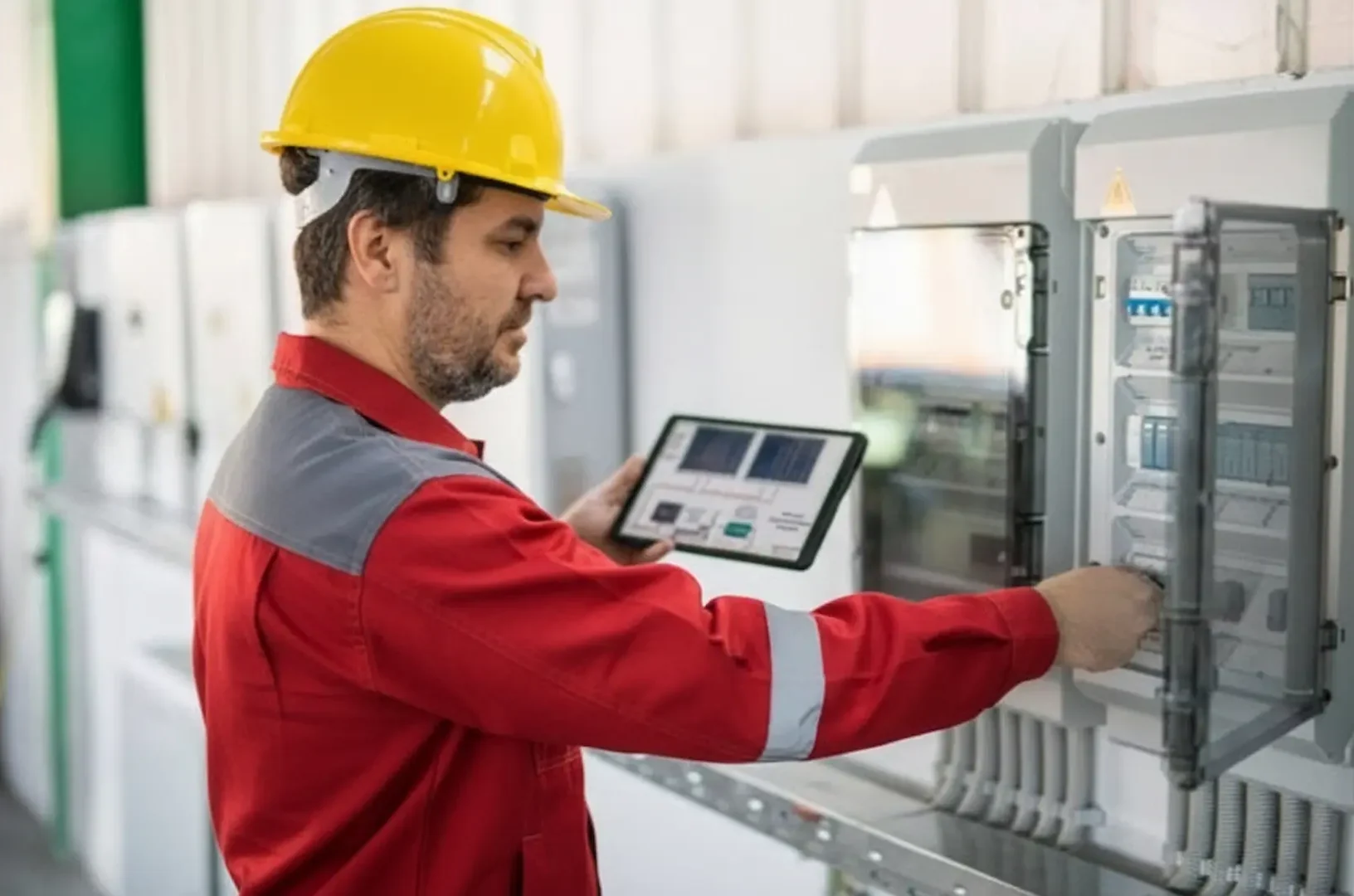
RJ & Son Electric is a local, family-run electrical contractor serving Suffolk County.
Richard Gruttola is the licensed and insured Master Electrician behind the company. RJ & Son Electric provides residential, commercial, and light industrial electrical work with an emphasis on professional workmanship, clear communication, and straightforward pricing.
Master Electrician Led
Richard is the licensed Master Electrician responsible for RJ & Son Electric's electrical work.
Diagnosis First
A panel replacement should solve an actual electrical need rather than being recommended automatically because of panel age or amperage.
Local Suffolk County Service
RJ & Son Electric is based in Rocky Point and serves communities throughout Suffolk County.
Clear Explanation
Richard explains what the existing electrical system needs and what is included in the proposed work.
Frequently Asked Questions About Electrical Panel Replacement
How long does an electrical panel replacement take?
The timeline depends on the scope of the project. A panel replacement can be different from a complete service upgrade involving utility coordination, inspection requirements, meter-related work, or additional wiring. Richard can discuss the expected schedule after evaluating the specific project.
Will my power be turned off during panel replacement?
Panel work generally requires an interruption of electrical power while the affected equipment is being replaced or worked on. The duration depends on the project and whether the work also involves the electrical service.
Does an old electrical panel automatically need replacement?
No. Age is one factor, but condition, configuration, available capacity, recurring problems, previous modifications, and planned electrical loads should also be evaluated.
Does replacing my panel mean I have to upgrade to 200 amps?
No. Panel replacement and increasing the electrical service are not automatically the same project. The appropriate service capacity depends on the home's actual electrical demand and planned loads.
Does an EV charger require a 200-amp service?
Not automatically. The charger requirements, intended charging rate, existing electrical loads, panel capacity, and overall electrical system should be evaluated before deciding whether additional service capacity is necessary.
Does PSEG Long Island need to be involved in a panel replacement?
It depends on the project. When the work involves an actual electrical service change or upgrade, PSEG Long Island has a specific process and requires an electrical inspection certificate for new services and service changes. A panel-only project may involve a different scope.
How much does an electrical panel replacement cost in Suffolk County?
Cost depends on whether the project is a panel replacement or service upgrade, the existing electrical equipment, service capacity, meter and wiring conditions, accessibility, grounding, and other project requirements. RJ & Son Electric can provide project-specific pricing after evaluating the property.
Can I replace an electrical panel myself?
No. Electrical panel and service work can involve serious electrical hazards and should be performed by a properly licensed electrician. Do not open, modify, or attempt replacement of electrical service equipment yourself.
Related Electrical Panel Guides
Panel Upgrades & Service Changes
Review RJ & Son Electric's electrical panel and service-upgrade services.
Repair vs. Upgrade
Understand when a panel problem may be repairable and when replacement or a service change may make more sense.
Panel Upgrade Cost
Learn what affects the cost of panel replacement and service upgrades in Suffolk County.
Electrical Panel Safety
Review warning signs and situations that are reasons to have an electrical panel professionally evaluated.
Considering an Electrical Panel Replacement?
RJ & Son Electric provides panel replacements, electrical service upgrades, panel troubleshooting, and related electrical work throughout Suffolk County. Richard Gruttola is a licensed and insured Master Electrician who can evaluate the existing system, explain the options, and provide pricing based on the work your property actually needs.
Licensed & Insured Master Electrician serving Suffolk County, NY
NY Master License ME-72156
(631) 833-7663 · RichG@rjandsonelectric.com