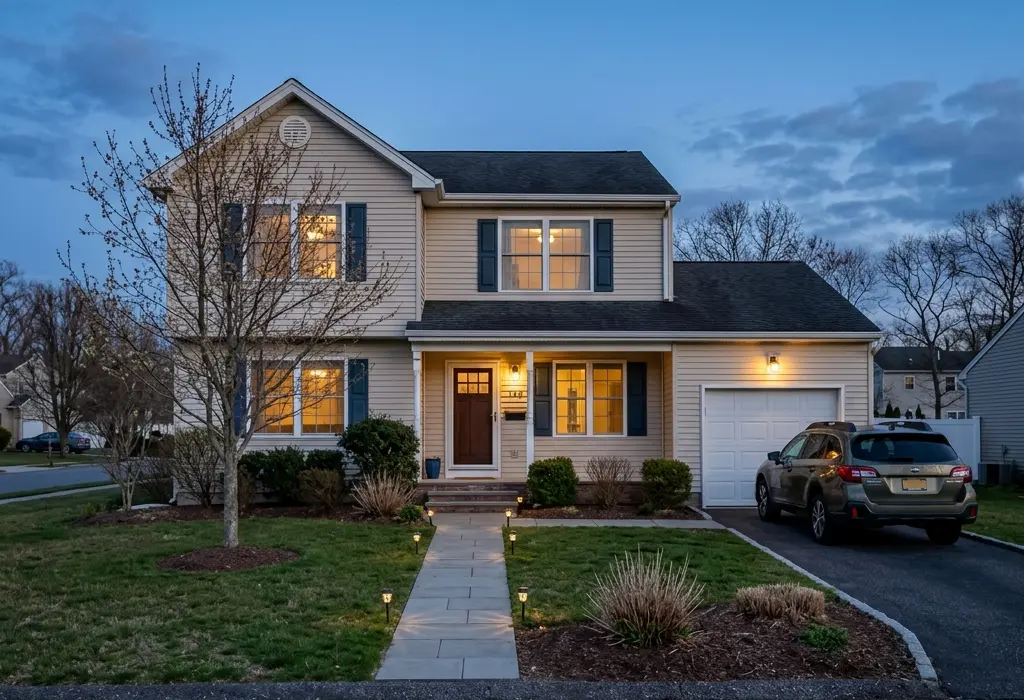
Whole-Home Surge Protection in Suffolk County, NY
Power surges can reach electrical equipment throughout a home, including devices that cannot simply be plugged into a small surge strip. A properly selected surge protective device adds protection at the electrical system level.
RJ & Son Electric installs whole-home surge protection for Suffolk County homeowners. Richard Gruttola is a licensed and insured Master Electrician, License ME-72156.
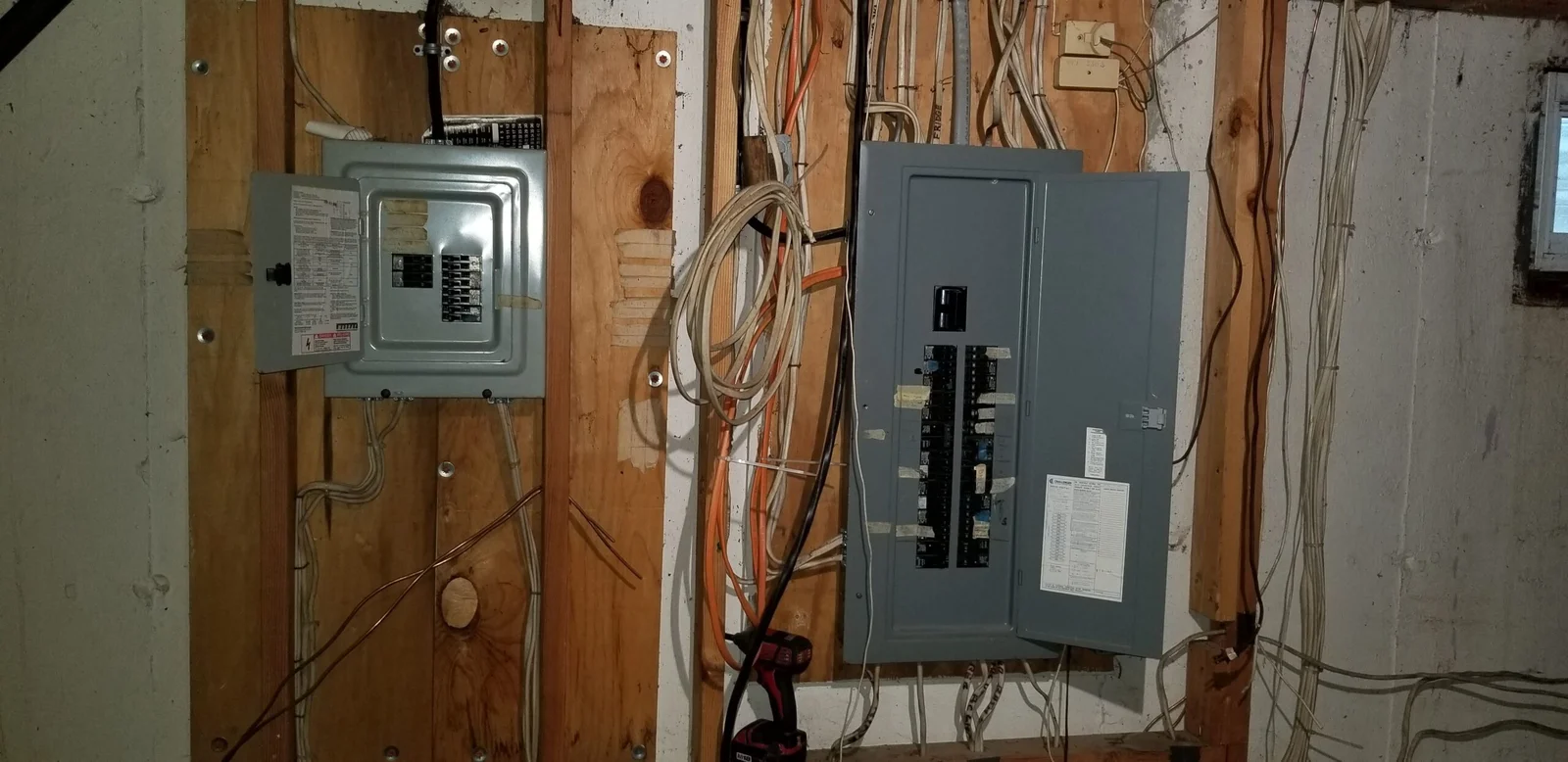
What Is a Power Surge?
A power surge is a brief increase in voltage. That increase can place stress on electronic components and connected electrical equipment.
Surges can come from outside the home, but they can also originate within an electrical system.
Possible sources include:
- Lightning-related electrical events.
- Utility switching or power restoration.
- Damage involving power lines.
- Large electrical equipment switching on or off.
- Other electrical events within the home or utility system.
The Electrical Safety Foundation International explains that power surges can damage or degrade electronic equipment and that surge protective devices can be used at both the electrical-system level and the point of use.
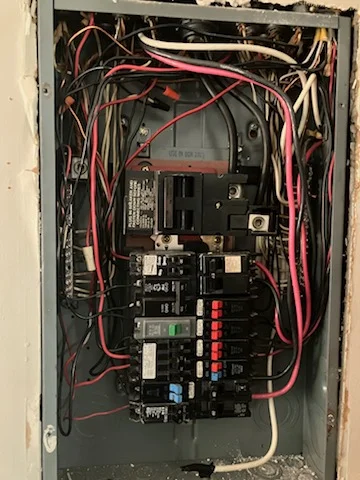
Why Install Surge Protection at the Electrical Panel?
Plug-in surge protectors only address equipment connected through those individual devices. Panel-level surge protection works farther upstream in the electrical system and can provide broader protection for connected loads throughout the home.
Televisions, computers, networking equipment, entertainment systems, chargers, and other electronics can contain components that are vulnerable to transient voltage.
Modern refrigerators, washers, dryers, ranges, and other appliances increasingly rely on electronic controls as part of normal operation.
Heating and cooling systems can contain electronic control boards and related components that cannot be protected by an ordinary plug-in device.
LED drivers, dimmers, smart switches, lighting controls, and other connected electronics can also be exposed to transient voltage events.
Computers, monitors, routers, printers, and other office electronics can benefit from a layered surge-protection approach.
Garage equipment, smart-home devices, control systems, and other permanently connected electrical loads can also be part of the home's surge-protection planning.
A surge protective device is one layer of electrical protection. It reduces transient overvoltage reaching connected equipment, but it cannot eliminate every possible source of damage.
Panel-Level vs. Point-of-Use Surge Protection
These are not necessarily competing choices. In some homes, the strongest approach is layered protection.
| Protection Type | Where It Works | What to Know |
|---|---|---|
| Type 1 Surge Protective Device | Installed as part of the electrical service, depending on the equipment and system configuration. | Provides system-level surge protection and is permanently connected. |
| Type 2 Surge Protective Device | Typically installed at or adjacent to the electrical distribution panel. | Commonly used for whole-home panel-level surge protection. |
| Type 3 / Point-of-Use Protection | Installed close to individual electronics or connected equipment. | Adds another layer for specific devices and should not be confused with an ordinary power strip. |
The appropriate device depends on the electrical system, panel configuration, service equipment, and the surge protective equipment being installed.
Not Every Power Strip Provides Surge Protection
A basic power strip gives you additional receptacles. That does not automatically mean it contains surge-protection components.
A point-of-use surge protector is specifically designed to help limit transient voltage reaching equipment connected through it.
Whole-home surge protection works at the electrical-system level and can cover equipment that cannot simply be plugged into a desktop surge protector.
For sensitive electronics, panel-level and point-of-use protection can be used together rather than treating one as a replacement for the other.
Does Whole-Home Surge Protection Protect Against Lightning?
Surge protective devices can help with transient voltage associated with lightning and other electrical events, but they should not be described as lightning-proof protection.
ESFI specifically states that no surge protective device can handle a direct lightning strike.
That is an important distinction because surge protection and a dedicated lightning-protection system are different things.
The amount and path of electrical energy during a surge can vary significantly. No electrician should promise that one panel-mounted device makes electronics immune to every storm, utility event, or lightning strike.
Surge Protection Does Not Prevent Generator Backfeed
Surge protection and generator transfer equipment solve different electrical problems.
A surge protective device is designed to limit transient overvoltage.
Proper transfer equipment is what separates generator power from utility power and prevents dangerous backfeeding when a generator is connected as intended.
If you are planning backup power, the generator connection should be evaluated separately from surge protection.
Learn more about generator transfer switch installation .
A Surge Protector Is Not Backup Power
Surge protection does not keep the lights on during an outage.
It also is not a substitute for troubleshooting a wiring problem or repairing damaged electrical equipment.
| Electrical Event | What It Means | What Surge Protection Does |
|---|---|---|
| Power Surge | A brief increase in voltage. | Designed to help limit transient overvoltage reaching connected equipment. |
| Power Outage | Loss of utility power. | Does not provide backup electricity. |
| Electrical Wiring Problem | A fault, damaged wiring, connection issue, or other electrical condition. | Does not repair or diagnose the underlying wiring problem. |
| Generator Backfeed Risk | Generator power can energize utility-side wiring if improperly connected. | Surge protection is not the solution. Proper transfer equipment is required for generator connection. |
When Does Whole-Home Surge Protection Make Sense?
You do not need to wait until something is damaged to discuss surge protection.
Homeowners can add panel-level surge protection to many existing electrical systems after the panel and service configuration are evaluated.
A panel replacement or electrical service project is a natural time to discuss whether surge protection should be included in the overall electrical work.
A larger renovation can add new appliances, electronics, HVAC controls, lighting controls, and other equipment that homeowners may want included in surge-protection planning.
Homes with significant computer, networking, and office equipment may benefit from combining system-level protection with appropriate point-of-use protection.
Smart switches, controls, communication equipment, appliances, and other electronics increase the number of components connected to a home's electrical system.
When significant electrical work is already being planned, surge protection can be considered as part of that larger project rather than as an unrelated add-on.
How a Whole-Home Surge Protection Project Starts
The device needs to fit the electrical system it is being connected to. That starts with the panel and service, not with choosing a random surge protector online.
Do Whole-Home Surge Protectors Last Forever?
No. Surge protective components can wear as they absorb or divert transient electrical energy.
There is no useful universal replacement interval for every device because products, electrical events, and operating conditions differ.
Many devices include an indicator that shows their protection status.
Homeowners should follow the instructions for the actual surge protective device installed and have the equipment evaluated if:
- The status indicator shows that protection is no longer active.
- The device shows visible damage.
- A major electrical event occurred and there is concern about the device.
- Panel or service work is being performed that affects the installation.
How Much Does Whole-Home Surge Protection Cost?
Pricing depends on the equipment being installed and the electrical system it is being connected to.
Factors can include:
- The selected surge protective device.
- The existing panel and service configuration.
- Available installation space.
- Whether additional electrical work is required.
- Accessibility.
- Whether surge protection is being installed by itself or as part of a larger panel or service project.
Call (631) 833-7663 or request a quote for your property.
What If the Electrical Panel Also Needs Work?
Surge protection does not automatically mean the electrical panel needs to be replaced.
If the panel has a separate electrical problem, limited installation options, damage, or is part of a larger renovation or service project, that issue can be evaluated at the same time.
Panel repair, panel replacement, electrical service changes, and surge protection are different scopes of work.
Learn more about electrical panel services .
What If Something Is Already Damaged?
A surge protector is preventative equipment. It does not repair equipment that has already been damaged.
If an electrical event is followed by dead circuits, unusual odors, damaged equipment, sparking, repeated breaker trips, partial power problems, or other electrical symptoms, the electrical system may need troubleshooting.
RJ & Son Electric provides electrical repairs and troubleshooting throughout Suffolk County.
See Smoke, Fire, Sparking or Serious Electrical Damage?
Keep away from damaged electrical equipment. If there is active fire, heavy smoke, serious electrical injury, or another immediate threat to people, leave the area and call 911.
For an urgent property electrical problem, RJ & Son Electric provides 24/7 emergency electrical service . Call (631) 833-7663.
Surge Protection Installed by a Local Master Electrician
Richard Gruttola is the licensed Master Electrician behind RJ & Son Electric and the electrical expertise behind the work.
RJ & Son Electric is licensed and insured. Richard holds Master Electrician License ME-72156.
The surge protective device should be selected for the electrical system and installation rather than treated as a universal one-size-fits-all product.
RJ & Son Electric is based in Rocky Point and provides electrical service throughout Suffolk County.
Surge protection is part of the electrical distribution system, so panel configuration and related electrical conditions matter during installation.
Surge protection should be explained for what it can and cannot do rather than sold as a guarantee against every possible electrical event.
Other Electrical Work That May Be Relevant
Frequently Asked Questions
What does a whole-home surge protector do?
A whole-home surge protective device is connected at the electrical-system level and is designed to limit transient overvoltage reaching connected equipment. It provides broader protection than a point-of-use device alone.
Does whole-home surge protection protect everything in the house?
It can provide broad protection for connected electrical equipment, but no surge protective device can guarantee protection from every electrical event or every amount of surge energy.
Will a whole-home surge protector protect against a direct lightning strike?
No. ESFI states that no surge protective device can handle a direct lightning strike. Surge protection can help reduce transient voltage from many electrical events, but it should not be described as lightning-proof protection.
Is a power strip the same thing as a surge protector?
No. A basic power strip provides additional receptacles but may not contain surge-protection components. Check the actual product to determine whether it is designed and rated as a surge protective device.
Do I still need plug-in surge protectors if I have whole-home protection?
Point-of-use surge protection can provide an additional layer for sensitive electronics. Whole-home and point-of-use protection can be used together.
Does surge protection prevent generator backfeed?
No. Surge protection and generator transfer equipment perform different jobs. Proper transfer equipment separates generator power from utility power when the system is connected and operated as intended.
Does installing surge protection require a new electrical panel?
Not automatically. Whether surge protection can be added to the existing panel depends on the panel, service configuration, selected device, and installation conditions.
Do whole-home surge protectors need to be replaced?
Surge protective components do not necessarily last forever. Many devices provide a status indicator showing whether protection remains active. Follow the manufacturer's instructions for the actual device installed rather than relying on a universal replacement schedule.
Can surge protection stop a power outage?
No. Surge protection limits transient overvoltage. It does not provide backup electricity or prevent utility outages.
Does RJ & Son Electric install whole-home surge protection?
Yes. RJ & Son Electric installs surge protective devices for Suffolk County properties. Call (631) 833-7663 or use the online contact form to discuss the electrical system and installation.
Interested in Whole-Home Surge Protection?
RJ & Son Electric installs surge protection for homes throughout Suffolk County. Call Richard to discuss your electrical panel, existing system, and the surge-protection options that fit the property.