When booking an electrical repair, a little preparation makes the visit faster, safer, and less expensive. This guide walks you through spotting and recording symptoms, vetting electricians, reading estimates and permits, and getting your home ready for a service call. Simple details—photos, timestamps, breaker/circuit notes—help technicians diagnose problems more quickly, avoid surprise charges, and fix the real issue the first time. We also explain when a situation is urgent and needs a licensed electrician right away.

Booking an Electrical Repair: How to Identify & Document Problems
Finding and recording electrical problems means watching what happens, where it happens, and when it happens. Note the room or circuit affected, the time of day, what appliances were running, and any weather or other triggers. Clear, dated records help a technician reproduce the issue, focus on likely trouble spots (panel, breakers, outlets, wiring), and provide a more accurate estimate before booking an electrical repair.
Homeowners usually notice a short list of obvious symptoms—those observations are often enough for a trained technician to choose a diagnostic approach.
Understanding Electrical Fault Symptoms & Diagnosis
Research shows people tend to report a few common symptom patterns. From those clues, technicians typically follow one of two paths: a trial-and-observe approach or a step-by-step diagnostic routine tailored to the symptom pattern.
Practices of fault diagnosis in household appliances: Insights for design, BP Arcos, 2020
What Are Common Signs of Electrical Issues to Observe Before Booking an Electrical Repair?
Record specific signs to give electricians useful clues when booking an electrical repair. Flickering lights that get worse when other appliances run can point to a loose neutral or an overloaded circuit. Breakers or GFCIs that trip repeatedly usually mean overloads, ground faults, or shorts—note the time and what was running when the trip happened. Burning odors, darkened or hot outlets, or visible arcing are immediate fire hazards from overheating or damaged insulation. Note: If you smell burning, see sparks, or notice smoke, treat it as an emergency and call a licensed electrician right away for your electrical repair.
Which Basic Safe Troubleshooting Steps Can Homeowners Take Before Booking an Electrical Repair?
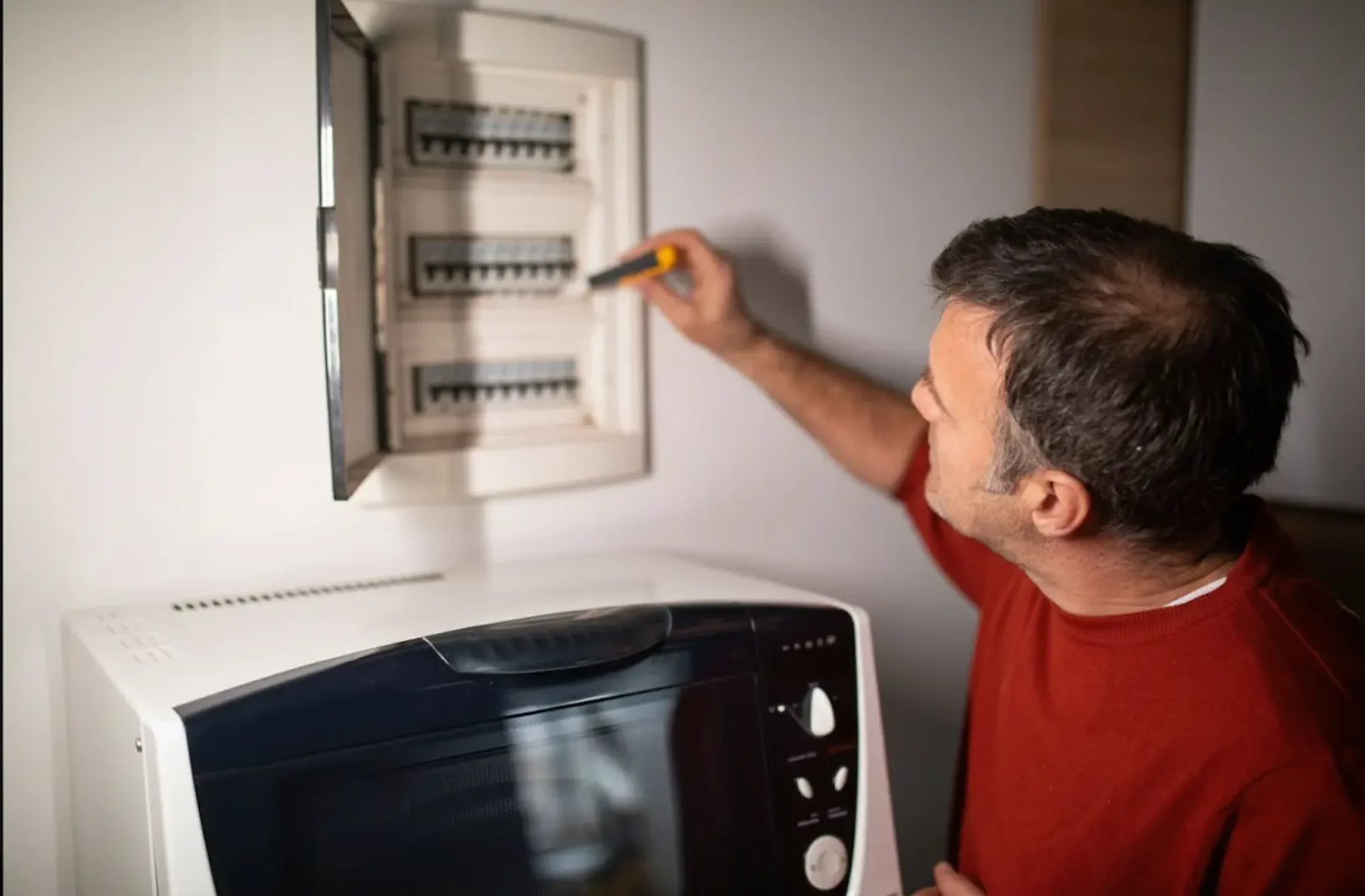
Do only safe, noninvasive checks before the pros arrive. Reset tripped breakers and GFCIs, and write down which ones trip and under what load to spot a pattern. Unplug appliances you suspect, and see whether the problem follows the device or the circuit. Look at outlets for discoloration and carefully feel for warmth—but do not remove plates, touch wiring, open panels, or probe live parts. If any step requires opening the panel, exposing wiring, or you notice ongoing overheating, stop and call a licensed electrician for your electrical repair.
Keeping a short log of what you tried and how the system responded gives technicians context that speeds diagnosis and repair.
Homeowner’s Guide: Documenting Electrical Faults for Repair
When you try to restore power, note what you did and how the system changed. Those simple records help professionals diagnose and repair problems more quickly and safely.
For urgent problems—burning smells, ongoing arcing, or a panel that’s acting up—choose a licensed, insured local electrician with emergency availability and clear pricing. RJ & Son Electric is a licensed, insured Master Electrician serving Suffolk County, NY, owned by Richard Gruttola. Clear documentation of symptoms and times helps a Master Electrician triage remotely and send the right response, speeding your electrical repair.
Booking an Electrical Repair: Essential Questions for Vetting an Electrician
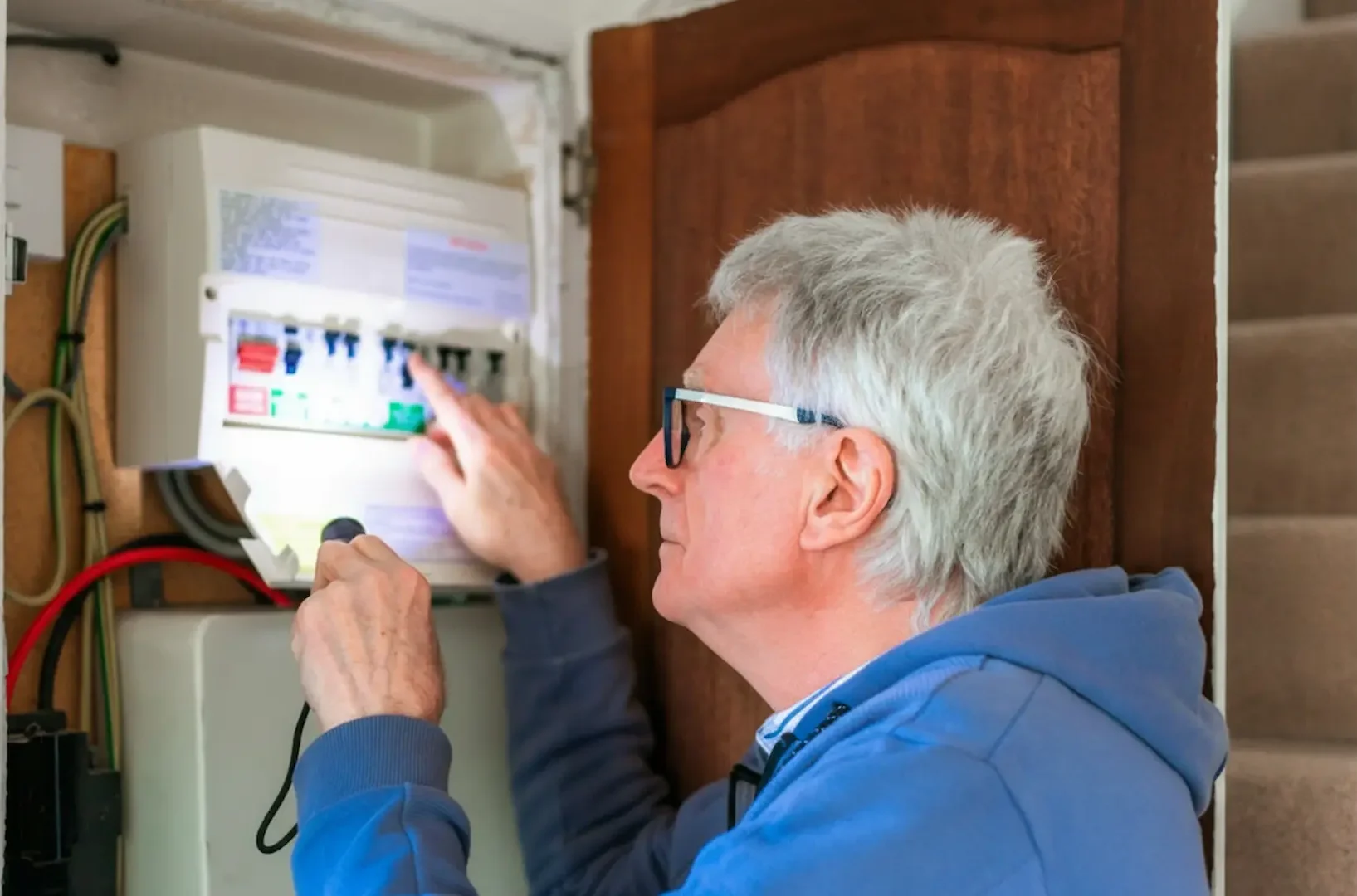
When you call an electrician, confirm their license, insurance, experience, warranty terms, and how they communicate. Ask for license type and number and proof of liability and workers’ compensation insurance. Confirm they’ve handled your kind of problem—panel work, troubleshooting, or appliance circuits—and ask for references. Before you book, get warranty details for labor and parts, emergency procedures, and whether the estimate itemizes costs. The compact table below turns those checks into simple verification steps for your electrical repair call.
Use this quick-reference table to turn verification tasks into questions to ask and note during the first call when booking an electrical repair.
| Credential | Verification Method | Notes |
|---|---|---|
| License | Ask for license type and number; request proof | Shows they’re legally qualified to do electrical work |
| Insurance | Request insurer name and coverage types (liability, workers’ comp) | Protects your home and the workers on site |
| References | Ask for examples of similar jobs or local reviews | Shows workmanship, punctuality, and follow-up service |
This table helps you spot missing credentials and record answers for easy comparison. After confirming license and insurance, ask about experience and any red flags so you get reliable workmanship and clear communication for your electrical repair.
Verifying License & Insurance Before Booking an Electrical Repair in Suffolk County
Verifying license and insurance lowers your risk and helps ensure code-compliant work in Suffolk County. Ask for a valid electrician license or Master Electrician credential and current insurance certificates (liability and workers’ compensation). Note insurer names, coverage limits, and effective dates—hesitation or inability to provide documentation is a red flag. Ask whether they’re familiar with local Suffolk County codes and inspection coordination to avoid delays. These checks protect you and make sure the person entering your home can legally and safely perform the electrical repair.
Licensing rules exist so professionals demonstrate required training, testing, and continuing education before working in homes. For more on electrical standards, see the National Electrical Code (NFPA).
Electrician Licensing: Verifying Training & Qualifications
Occupational licensing requires proof of training, testing, and education before someone can practice. Checking those credentials helps protect consumers.
What Should You Know About Experience, References, and Reviews When Booking an Electrical Repair?
Experience and references show whether a contractor can handle your job. Ask for examples of similar residential or light industrial work and follow up on how they handled scope, budget, and follow-up. Read online reviews for patterns—praise for clear estimates, punctuality, and neat work is a good sign; repeated complaints about unexplained fees or poor communication are red flags. Ask the electrician to describe a recent troubleshooting job and its resolution; concrete examples are more useful than general claims, especially when booking an electrical repair for a business.
Booking an Electrical Repair: Understanding Estimates, Pricing, and Permits
A useful estimate is clear and itemized so you can see labor, parts, permit/inspection fees, travel or call-out charges, and warranty terms. Confirm diagnostic fees and whether they’re credited to the final bill, and ask how parts are priced. For work that requires permits—panel upgrades, major rewiring, or added circuits—ask who will pull permits and schedule inspections. The table below shows typical estimate components and why they matter when booking an electrical repair.
Use this breakdown to compare quotes and spot line items that could turn into surprise charges when booking an electrical repair.
| Estimate Component | What It Covers | Why It Matters |
|---|---|---|
| Labor | Technician time — hourly or flat-rate | Usually the biggest part of the bill; affects total cost |
| Parts & Materials | Replacement devices, wiring, connectors (e.g., UL certified components) | Quality affects safety and how long repairs last |
| Permit/Inspection Fees | Local permits and inspection coordination | Required for code compliance on major projects |
| Diagnostic/Call-Out Fee | Initial troubleshooting or dispatch charge | Should be disclosed and may be credited to the final bill |
| Warranty Terms | Duration and coverage for labor/parts | Protects you if problems return after the repair |
This table helps you compare bids and ask targeted questions about items that often vary between contractors. After reviewing estimates, confirm who will handle permits and inspections to avoid delays or noncompliant work for your electrical repair.
What to Expect in Your Electrical Repair Estimate When Booking an Electrical Repair Service
A thorough electrical repair estimate is itemized, easy to read, and includes a plain-language scope of work with a start window, expected duration, and any conditions that could add cost. Ask whether labor is flat-rate or hourly and how overtime or after-hours calls are billed. Request concrete examples instead of vague terms like “additional work as needed.” Clear language prevents misunderstandings and makes it easier to compare bids when booking an electrical repair.
When Are Electrical Permits Required and Who Handles Them When Booking an Electrical Repair?
Permits are usually needed for major changes that affect service capacity, safety, or code compliance—things like panel upgrades, major rewiring, added circuits, and new fixed equipment. Typically the electrician pulls permits as the contractor of record, coordinates inspections, and makes sure work meets local code—confirm this before work starts. If you’re unsure, ask the electrician to explain the inspection timeline. Having the contractor handle permits reduces homeowner burden and helps ensure inspected, approved work for better electrical safety.
Special projects like EV charger installation usually need specific permits and experience. Installing a generator transfer switch also involves permit work to integrate backup power safely. Consider surge protection for whole-house protection—those installations may have their own requirements.

Booking an Electrical Repair: Preparing Your Home for the Electrician
Preparing your home helps the visit run smoothly and can reduce time on site and overall cost. Make sure the electrical panel (brands like Square D, Siemens, or Eaton), affected outlets, fixtures (for ceiling fan installation or home lighting work), and the immediate workspace accessible. Secure pets and clear paths. Gather photos, short videos, and dated notes of tripped breakers and what was running—that context helps the technician prioritize tests. The quick checklist below estimates time for each prep task when booking an electrical repair.
Use this checklist to assign tasks and make sure the technician can begin work promptly on arrival for your electrical repair.
| Task | Why it matters | Time estimate / Notes |
|---|---|---|
| Clear panel access | Allows safe, unobstructed work on breakers | 5–10 minutes; move small furniture and clear the area |
| Unplug devices | Helps isolate whether a device or the circuit is at fault | About 5 minutes per outlet; label unplugged items |
| Photograph symptoms | Visual records speed accurate diagnosis | 5–10 minutes; take close-ups and wider context shots |
| Secure pets | Prevents distractions and safety hazards | 5–10 minutes; place pets in a separate room or crate |
This simple checklist prioritizes actions that save diagnostic time and can lower repair costs. After preparing access and documentation, tell the service provider any special entry instructions and your payment or authorization preferences for your electrical repair. For general electrical safety guidance, see resources from ESFI or CPSC.
What Areas Should Be Cleared and Accessible for Electrical Work When Booking an Electrical Repair?
Keep the electrical panel, the problem room or fixture, and nearby floor space clear for tools and workspace. Maintain about a three-foot radius around the panel and clear nearby work surfaces. For outlet or fixture work, empty cabinets or move furniture that blocks access, and cover belongings. Point out water sources or combustible materials to the technician—those details affect safe work for your electrical repair. For more on home electrical systems, see the DOE’s Energy Saver guide.
How Can You Document Symptoms and Communicate Effectively with the Electrician When Booking an Electrical Repair?
Keep notes short and specific: date, time, what happened, what devices were running, and any recent changes. Record short, time-stamped videos of flicker, noise, or tripping behavior and add a brief note on frequency. Use clear descriptions like, “Breaker B trips after 30–60 seconds when the dryer and microwave run together.” Precise details cut diagnostic time and lead to fairer, faster estimates when booking an electrical repair.
Why Choose RJ & Son Electric for Your Electrical Repair Service When Booking an Electrical Repair in Suffolk County?
RJ & Son Electric, owned by Richard Gruttola, is a licensed, insured Master Electrician serving homes, businesses, and light industrial clients across Suffolk County. Our priorities are: Licensed and Insured Master Electrician, Local Suffolk County knowledge, Honest, Upfront Pricing, Clean, Professional Workmanship, and 24/7 Emergency Service. Use those points as a checklist: confirm credentials, verify insurance, and ask about clear estimates and emergency response. When requesting service, note the company name and phone number on the site and follow the verification steps before scheduling your electrical repair.
What Are the Benefits of Hiring a Licensed Master Electrician Like Richard Gruttola for Your Electrical Repair?
Hiring a licensed Master Electrician cuts safety risks and ensures work follows local code and will pass inspection. A Master Electrician can design, supervise, and sign off on complex work and spot hidden issues like failing breakers or concealed wiring faults. That credential also means the contractor carries required insurance and understands local permit and inspection procedures for Suffolk County projects. Choosing a Master Electrician reduces follow-up problems and delivers professional standards, especially when booking an electrical repair for critical systems. Organizations like NECA and IAEI offer more on qualifications.

Transparent Pricing & 24/7 Emergency Service When Booking an Electrical Repair with RJ & Son Electric
Transparent pricing means an itemized estimate that separates labor, parts, permit fees, diagnostic/call-out charges, and warranty terms so there are no surprises—RJ & Son Electric stands by “Honest, Upfront Pricing.” Emergency service should be defined clearly—what qualifies as an immediate hazard, when a temporary fix is used, and any after-hours premium. RJ & Son Electric offers “24/7 Emergency Service Available.” When you call, ask how diagnostic fees are handled, what counts as an emergency, and how warranty coverage is documented. For quick verification and to schedule your electrical repair, use the phone number on the company’s contact page.
- Prepare photos and a short log: Time-stamped photos and a brief log speed diagnosis and produce clearer estimates when booking an electrical repair.
- Ask for an itemized estimate: An itemized quote prevents surprise charges and clarifies warranty terms for your electrical repair.
- Verify license and insurance: Confirm credentials before booking to reduce liability and ensure code-compliant work for any electrical repair.
Frequently Asked Questions
What to do if you suspect a serious electrical issue before booking an electrical repair?
If you suspect a serious issue—burning smells, visible sparks, or smoke—treat it as an emergency. If it’s safe, turn off power to the affected area and evacuate if needed. Call a licensed electrician immediately. Do not try to fix live electrical work yourself; it’s dangerous. Prioritize safety and contact a professional right away for your electrical repair. For general electrical safety guidance, see OSHA Electrical Safety standards.
How to ensure your electrician is qualified when booking an electrical repair?
Ask for the electrician’s license and current proof of liability and workers’ compensation insurance. Request references or examples of similar jobs and check online reviews. A reputable electrician will provide credentials and answer questions about experience and qualifications for your electrical repair.
Potential Hidden Costs in Electrical Repair Estimates When Booking an Electrical Repair Service?
Hidden costs can include diagnostic or call-out fees, travel charges, permit/inspection fees, and extra labor for unexpected complications. Always ask for a detailed, itemized estimate listing labor, parts, permits, and potential extra charges to avoid surprises on your final bill for electrical repair. For long-term savings, consider ENERGY STAR certified products and related guidance from the EPA.
How to prepare your home for an electrician’s visit after booking an electrical repair?
Clear access to the electrical panel and the affected outlets or fixtures, and remove obstacles. Secure pets. Gather photos, videos, and a short log of problem occurrences to provide context. These steps help the technician start quickly and diagnose issues more efficiently, making your electrical repair smoother.
What Should I Do If the Electrician’s Work Does Not Meet My Expectations After Booking an Electrical Repair?
First, talk directly with the electrician so they can address your concerns. Refer to your estimate’s warranty terms if the work isn’t corrected. If issues continue, escalate to the contractor’s supervisor or, if necessary, file a complaint with the licensing board. Keep records of all communications and agreements.
Are There Specific Electrical Codes I Should Be Aware Of In My Area When Booking an Electrical Repair?
Yes—codes vary by location and ensure safe installations and repairs. In Suffolk County, local rules affect wiring methods, circuit installations, and permit procedures. Ask your electrician about their familiarity with local codes; a licensed professional must know and follow them to keep your home safe and compliant when booking an electrical repair.