
When you need electrical repairs, a licensed electrician is the professional you want on site. They inspect, diagnose, and repair wiring, panels, outlets, and fixtures to make sure your home is safe and up to code. A good electrician separates symptoms from root causes, uses proper diagnostic tools, and focuses on repairs that prioritize safety and long-term reliability. This guide walks homeowners through each stage: preparing for the visit, on-site diagnostics, the repair workflow, common fixes, emergency steps, and how to choose the right technician. You’ll learn how to get ready for a service call, what tools are used, and what results to expect — from final testing to cleanup — plus immediate safety actions and the trust signals to look for when hiring a licensed electrician.
How Does a Licensed Electrician Prepare for Your Home Repair?
Before arriving, a licensed electrician checks credentials, reviews the problem description, and stocks their truck with diagnostic and safety gear. Proper preparation shortens on-site time and produces a more accurate quote by ensuring the right meters, parts, and safety equipment are on hand. The electrician plans safe access to the affected area and brings tools like multimeters, circuit tracers, thermal imagers, and common replacement parts to speed repairs. This sets a clear path from arrival to diagnosis and helps establish realistic next steps and any permit needs.
What Information Should You Provide to Your Licensed Electrician Before the Service Call?
Sharing clear, specific details before the appointment helps your electrician diagnose faster and give a better estimate. Describe the exact symptom (for example, steady flicker vs. occasional blinks), when it happens, and any recent changes like new appliances or renovations. Note affected outlets or fixtures, breaker trips, and any smells, noises, or visible damage. Photos or a short video of the problem area are especially helpful. Include appliance model numbers if relevant, and confirm safe access to the panel or crawlspaces. This information helps the electrician bring the right tools and parts and shortens the time from arrival to repair authorization.
Below is a quick checklist of helpful details to share before a licensed electrician arrives:
- Exact symptom and when it happens.
- Photos or a short video of the panel or affected fixture.
- Any recent electrical work, new appliances, or renovations.
- Access notes (panel location, locked areas, pets) and appliance model numbers.
Sharing these details helps scope the visit and often leads to a faster, more accurate written estimate from your electrician.
How Does a Licensed Electrician Verify Licensing and Insurance?
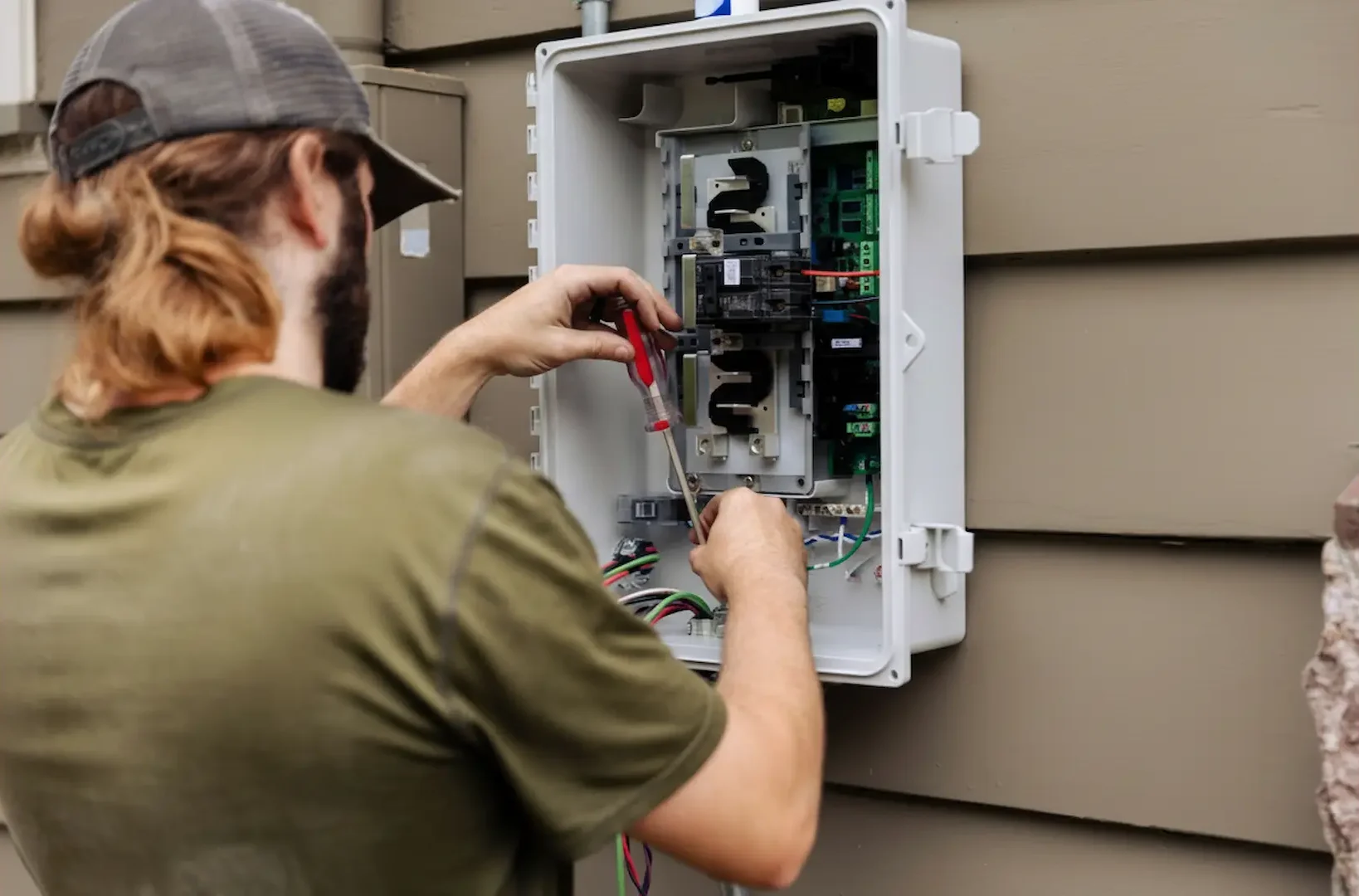
A professional electrician confirms credentials before the call and shows photo ID on arrival so you can be confident about safety and liability coverage. Ask for their license number, check company photo ID, and note the business name. You can verify licensing with your state board, confirm IAEI certification standards where relevant, and request proof of liability insurance or workers’ compensation. These steps protect you if issues arise during repairs. A simple script you can use: “Can you share your license number and proof of insurance before starting work?” That helps ensure the job is done by a qualified electrician and clarifies permit responsibilities.
Verifying credentials is an important step for safe, compliant work as licensing standards evolve.
A reputable electrician follows industry standards set by organizations like the National Electrical Contractors Association.
Electrician Licensing & Professional Standards
Looking closer at training and licensing shows how standards have tightened over time. Staying in good standing now often requires tougher exams and continuing education.
Life, limbs, and licensing: Occupational regulation, wages, and workplace safety of electricians, 1992-2007, MM Kleiner, 1992
What Happens During an Electrical Service Call with Licensed Electricians?
On a service call, the electrician performs a safety walk-through, completes targeted diagnostics, explains findings, and presents repair options with cost details before starting work. The on-site process includes visual inspection, circuit identification, meter testing, and focused checks like load or thermal scans to find issues. After diagnostics, the electrician outlines the problem, safety implications, and repair options, then provides an upfront estimate for parts and labor. Work begins only after you approve, either with a signed estimate or recorded verbal authorization.
Typical on-site steps include:
- Visual safety assessment and circuit mapping.
- Diagnostic testing (multimeter, insulation tester, circuit tracer, thermal imager).
- Clear summary of findings, costs (parts, labor, permits), and recommended repairs.
- Homeowner approval via signed estimate or recorded verbal authorization.
This transparent, step-by-step process helps ensure safe, code-compliant repairs.
For Suffolk County homeowners, RJ & Son Electric offers on-call diagnostics and repairs. To request service, call (631) 833-7663 or use the contact page. The electrician will verify credentials and outline next steps when they arrive.
How Is the Initial On-Site Electrical Diagnostics Conducted by Licensed Electricians?
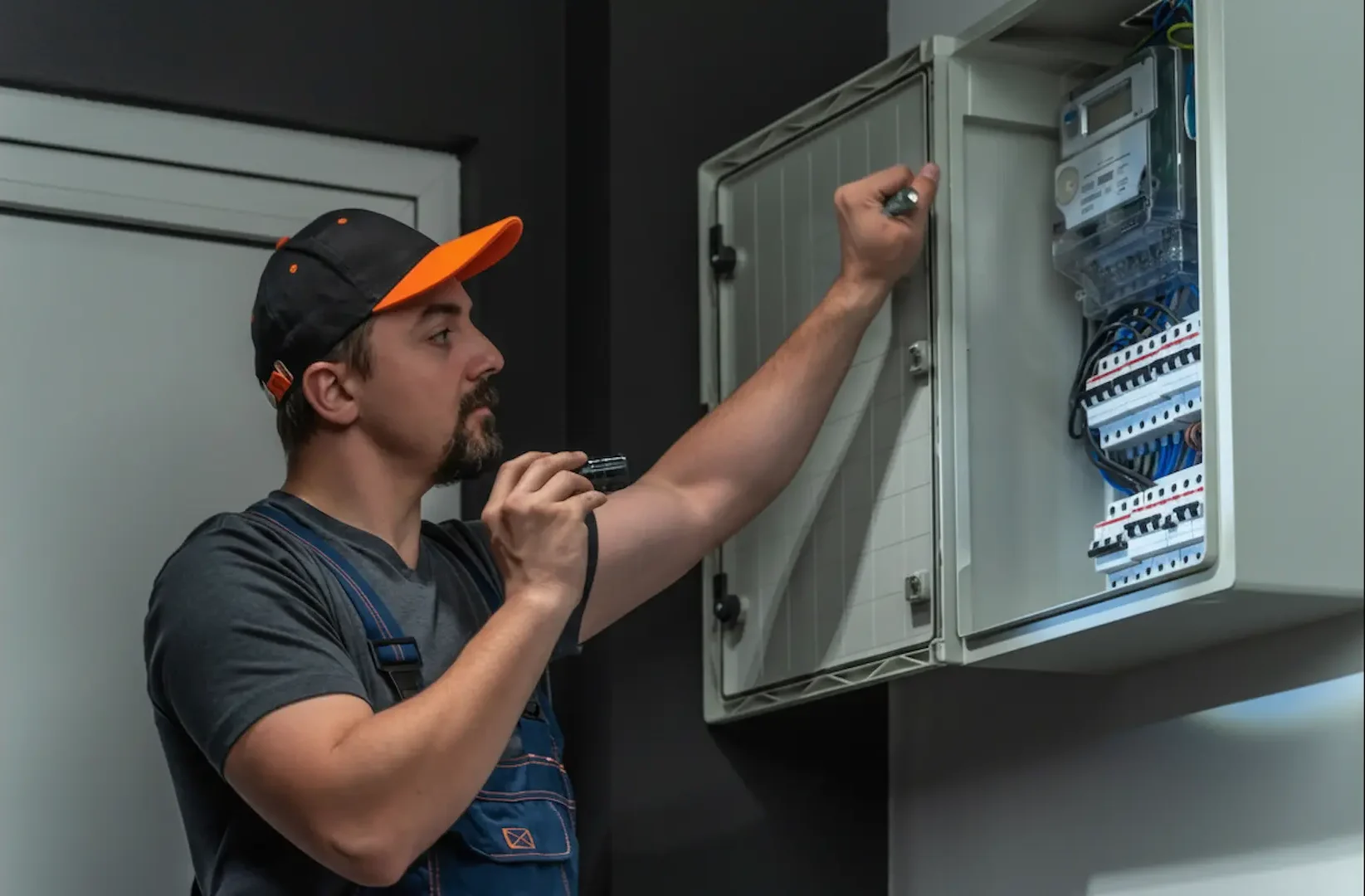
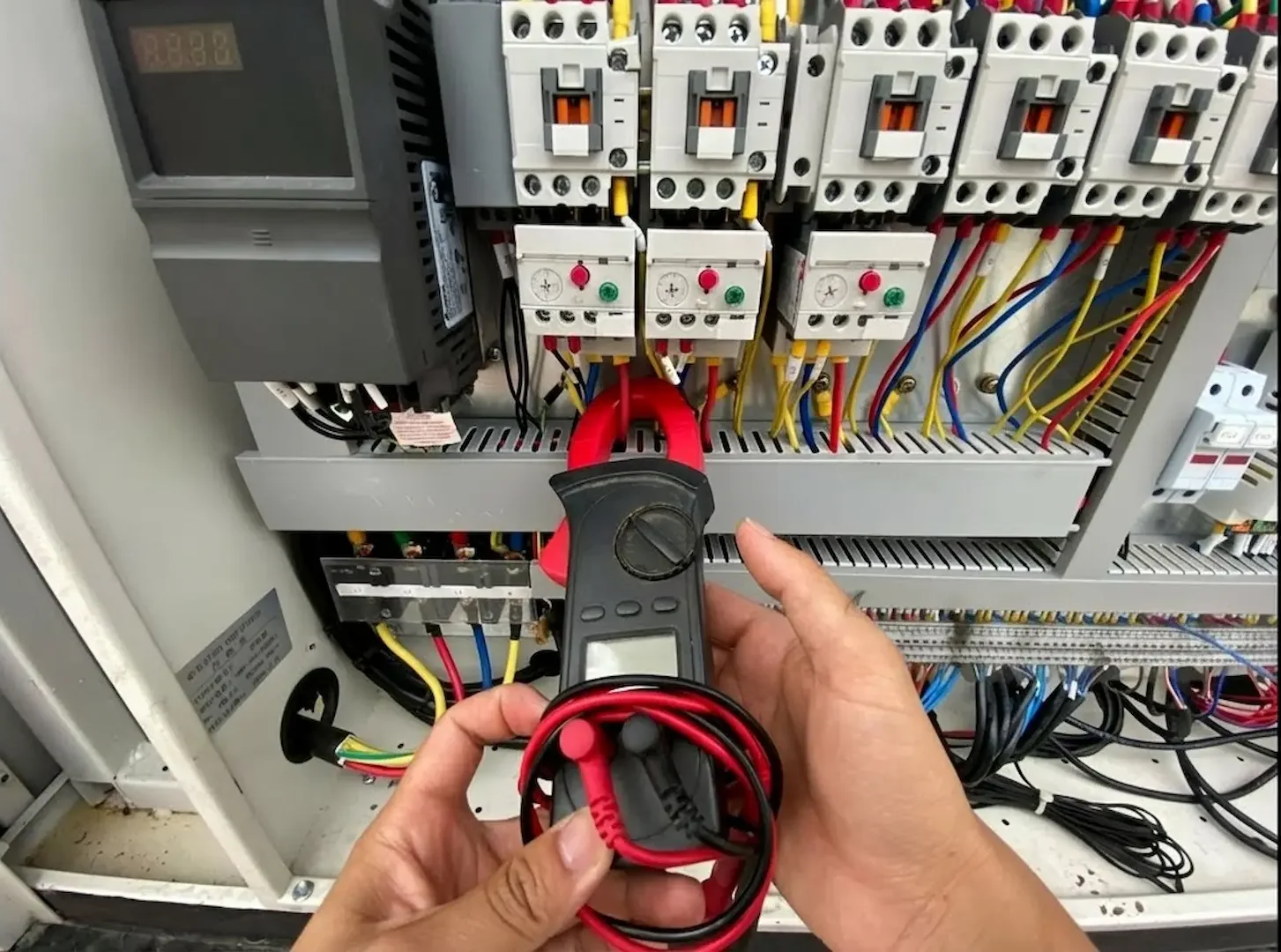
Initial diagnostics pair visual inspection with instrument testing to locate faults. The electrician starts at the panel, breakers, receptacles, and visible wiring, checking for overheating, corrosion, or loose connections. That visual assessment guides the tests that follow. Technicians use multimeters for voltage and continuity checks, perform load testing for overloads, and may use thermal imaging to spot hotspots. Circuit tracing locates cable feeds, and bench testing helps tell device failure apart from wiring issues. These steps isolate the root cause so repairs address the actual problem.
Advanced tools like thermal imagers are especially useful for revealing hidden faults through temperature differences.
Infrared Thermal Imaging for Electrical Fault Diagnosis
This study outlines methods for denoising and recognizing infrared images of complex electrical equipment, then using those results for thermal fault diagnosis. It shows how temperature differences reveal developing electrical problems and supports practical automation in equipment inspections.
Thermal fault diagnosis of complex electrical equipment based on infrared image recognition, 2024
How Does a Licensed Electrician Communicate Findings and Pricing?
Clear communication explains the problem, the cause, repair choices, and a straightforward cost breakdown so you can decide with confidence. Your electrician will describe the symptom, the root cause, and repair options (with pros and cons), and provide an itemized estimate for parts, labor, and permit fees. For larger jobs, expect a written estimate and authorization (signed or recorded verbal approval) before any work begins. This approach minimizes surprises, clarifies safety implications, and documents the agreed scope and price.
Typical estimate components:
- Parts and materials costs.
- Labor estimate (time-based or flat-rate).
- Required permit and inspection fees.
- Warranty/workmanship terms and estimated timeline.
Itemized, plain-language estimates help you understand both safety and financial aspects for each repair option.
What Are the Steps in the Professional Electrical Repair Process by Licensed Electricians?
Professional electrical repairs typically follow five stages: assessment, diagnosis, parts procurement (and permits if required), code-compliant repair, and final testing with cleanup. Each stage uses specific tools and safety checks to ensure reliability and compliance with local standards. This structured workflow reduces callbacks and ensures homeowner approval and documented permit work before moving forward, with transparent pricing from your electrician.
| Step | Tools Used | Time Estimate | Safety Checks |
|---|---|---|---|
| Initial Assessment | Visual inspection, flashlight, panel labels | 15–30 minutes | Power off verification, PPE use |
| Diagnosis | Multimeter, thermal imager, circuit tracer | 30–90 minutes | Lockout/tagout, continuity checks |
| Parts & Permits | Parts list, permit forms, supplier contacts | 1–7 days (varies) | Verify code compliance for replacements |
| Repair Execution | Screwdrivers, wire strippers, breakers, connectors | 30 minutes–several hours | Torque to spec, proper wire sizing, grounding |
| Final Testing & Cleanup | Load tests, insulation resistance tests | 15–45 minutes | Functional verification, secure panels |
This table shows how time and tools change with repair complexity, and how permits or parts procurement can extend timelines.
How Are Repairs Performed to Meet Safety and Code Compliance by Licensed Electricians?
Electricians meet code by using the correct conductor sizes, properly sized breakers, secure terminations, and required bonding and grounding. They choose UL-certified materials rated for the application to prevent overheating. For any work that changes fixed wiring or service capacity, the electrician coordinates required permits and inspections. Workmanship checks include torquing connections to spec, labeling circuits, and confirming equipment clearances — all steps that reduce fire risk and improve long-term reliability.
Following these standards is essential; electrical safety rules continue to evolve to reduce hazards and protect people.
Electrical Safety Regulations & Standards
Since OSHA electrical safety standards were introduced in 1972, regulations and codes have continued to change, shaping safer work practices and reducing exposure to electrical hazards.
Implementing electrical safety regulations and standards, HL Floyd, 1972
Final testing confirms the installation meets performance and safety criteria, then the electrician completes post-repair verification and cleanup.
What Final Testing and Cleanup Should You Expect from Licensed Electricians?
After repairs, expect final tests and a professional cleanup so the area is safe and tidy. Tests commonly include load testing, insulation resistance checks, and voltage/grounding verification. The electrician will label any modified circuits, secure panel covers, remove debris, and walk you through what was done and any safety measures. You should also receive documentation summarizing tests and warranty details as proof the job was completed correctly.
Which Common Electrical Problems Can Your Licensed Electrician Fix?
Licensed electricians handle routine problems like flickering lights, tripped breakers, dead outlets, and burning smells. Using diagnostic tools, they determine whether the repair is a simple part swap or a larger system fix. Common causes include loose connections, overloaded circuits, aging breakers, or damaged wiring; prompt repair prevents escalation into shocks or fires and follows electrical safety best practices. The table below maps symptoms to likely causes and typical fixes, showing expected repair scope and timeframes.
| Problem | Symptom | Likely Cause | Typical Fix / Timeframe |
|---|---|---|---|
| Flickering lights | Intermittent or constant flicker | Loose connection, failing bulb, voltage fluctuation | Tighten or replace fixture/connection, 15–60 minutes |
| Tripped breakers | Breaker repeatedly trips | Overload, short, failing breaker | Rebalance loads or replace breaker, 30–90 minutes |
| Dead outlet | No power at receptacle | Tripped GFCI, open neutral, wiring fault | Reset, repair or rewire, 30–120 minutes |
| Burning smell | Persistent odor near outlets or panel | Overheated connection, arcing, overloaded device | Power off, diagnose and repair—urgent (minutes–hours) |
How Are Flickering Lights and Tripped Breakers Diagnosed and Repaired by Licensed Electricians?
Diagnosis starts with basic checks like swapping bulbs or testing fixtures. If the issue continues, the electrician performs circuit-level testing, checks for loose connections or neutrals, measures voltage stability, and uses thermal imaging to find hot spots. Fixes range from tightening connections and redistributing loads to replacing failing breakers or recommending panel upgrades when capacity is insufficient. Safety is the priority: loose or overheating connections are addressed immediately, while larger upgrades are planned and permitted.
What Solutions Are Provided for Dead Outlets and Burning Smells by Licensed Electricians?
Dead outlets and burning smells demand a safety-first response. Stop using the outlet and, if it’s safe, turn off the circuit. The electrician will test the outlet, check continuity, and inspect upstream connections. Typical repairs include replacing faulty receptacles, fixing loose splices, or redistributing loads. If a burning smell signals arcing or damaged insulation, the electrician treats it as urgent — isolating the circuit and repairing or replacing wiring to remove the fire risk.
What Should You Know About Emergency Electrical Repair Procedures from Licensed Electricians?
Emergency procedures explain when to call for immediate help, list safe homeowner actions, and show what to expect from an emergency response. An issue is an emergency when it poses an immediate shock or fire risk — for example, visible sparks, persistent burning smells, arcing, or sudden loss of power to critical circuits. Homeowners should shut off power at the main if it’s safe, evacuate if there’s smoke or fire, and call emergency services as required. Electricians offering emergency response prioritize safety, stabilize hazards, and provide temporary mitigation until permanent repairs can be made.
When Is an Electrical Issue Considered an Emergency by Licensed Electricians?
An electrical problem is an emergency when it creates immediate danger to people or property. Examples include visible arcing, repeated sparking, heavy smoke or burning odors, or sudden loss of power to life-safety circuits. If you smell persistent burning, see a breaker spark, or notice smoke from the panel, act right away. Non-emergencies — like occasional flicker without odor or a one-time nuisance trip — can usually wait for scheduled service. Knowing the difference helps get prompt response where it’s most needed.
What Immediate Steps Can You Take Before Your Licensed Electrician Arrives?
In an emergency, take safe, practical steps to reduce risk. Turn off the affected circuit at the breaker if it’s safe, and unplug devices. Do not touch exposed wiring or attempt repairs. If you smell smoke or see flames, evacuate immediately and call emergency services before contacting an electrician. Keep children and pets away, and be ready to describe symptoms to the technician. These actions protect people and help the electrician respond effectively.
Immediate do/don’t checklist:
- Do turn off the circuit at the breaker if it’s safe to do so.
- Do unplug appliances from the affected outlet or circuit.
- Don’t touch exposed wiring or attempt splice repairs yourself.
- Don’t wait to call emergency services if you detect smoke or fire.
Following these electrical safety guidelines improves safety and helps the electrician respond effectively.
Why Choose a Licensed Electrician Like RJ & Son Electric for Your Repairs?
Hiring a licensed electrician means trained professionals handle repairs to code, provide insurance protection, clear pricing, and local responsiveness when time matters. RJ & Son Electric is a licensed, insured Master Electrician service in Suffolk County, NY, owned and operated by Richard Gruttola. We handle residential and commercial repairs, panel upgrades, lighting installation, EV charger circuit troubleshooting, generator transfer switch installation, and surge protection.
Beyond routine repairs, a qualified electrician can manage specialized projects. Planning for an electric vehicle? Professional EV charger installation ensures your home is ready. Worried about outages? A licensed pro can install a generator transfer switch to provide reliable backup power.
How Does Licensing, Insurance, and Local Expertise Benefit You When Hiring Licensed Electricians?
Licensing shows electricians have the training to interpret and apply New York electrical code, often based on NFPA standards, reducing the chance of unsafe or noncompliant work. Insurance protects you from liability and covers accidental damage or injury on-site. Local knowledge — like familiarity with Suffolk County permit processes and regional wiring practices — speeds response times and helps the electrician recommend the right, code-compliant solution. Together, these factors mean safer repairs, fewer surprises at inspection, and faster resolution when time matters.
What Are the Advantages of Transparent Pricing and 24/7 Emergency Service from Licensed Electricians?
Transparent pricing and 24/7 availability reduce stress by clarifying costs before work starts and ensuring help is reachable when emergencies occur. A clear pricing process separates parts, labor, and permit fees in written estimates, secures homeowner authorization before work, and documents warranty or workmanship terms. Around-the-clock emergency lines and after-hours response give peace of mind that urgent hazards can be mitigated quickly to limit damage. To request service or schedule a diagnostic, call (631) 833-7663 or use the contact page; the company will verify licensing on arrival and follow a transparent estimate-and-approval process aligned with safety and code-compliant best practices.
Frequently Asked Questions
What should I do if I experience an electrical emergency?
Put safety first. If it’s safe, turn off the affected circuit at the breaker and unplug devices. Avoid exposed wiring. If you see smoke or flames, evacuate immediately and call emergency services before contacting an electrician. Keep children and pets away and be ready to describe symptoms to the technician.
How can I ensure my licensed electrician is qualified for the job?
Verify licensing and insurance before work begins. Ask for the license number and check company ID on arrival. Confirm credentials with your state board and read reviews. Reputable electricians will show proof of qualifications without hesitation.
What types of warranties or guarantees should I expect from my licensed electrician?
Expect warranties on both parts and labor. Material warranties vary (from 1 year to lifetime), and labor warranties cover workmanship for a defined period. Always get warranty details in writing before work starts.
How can I prepare my home for a licensed electrician’s visit?
Clear the work area and ensure access to panels and outlets. Move furniture away, secure pets, and gather information like the symptom, recent changes, or past repairs to help with diagnosis.
What are the common signs that indicate I need to call a licensed electrician?
Call an electrician for frequent breaker trips, flickering lights, dead outlets, or burning smells. Other warning signs include buzzing sounds, scorch marks, or an unexplained rise in your electric bill. These can indicate hazards that need prompt attention.
What should I expect during the final testing and cleanup after repairs by a licensed electrician?
Expect thorough final testing and professional cleanup. The electrician will run load tests and insulation checks and verify voltage and grounding. Modified circuits should be labeled and panel covers secured. You’ll get a walkthrough and documentation of tests and warranty information.