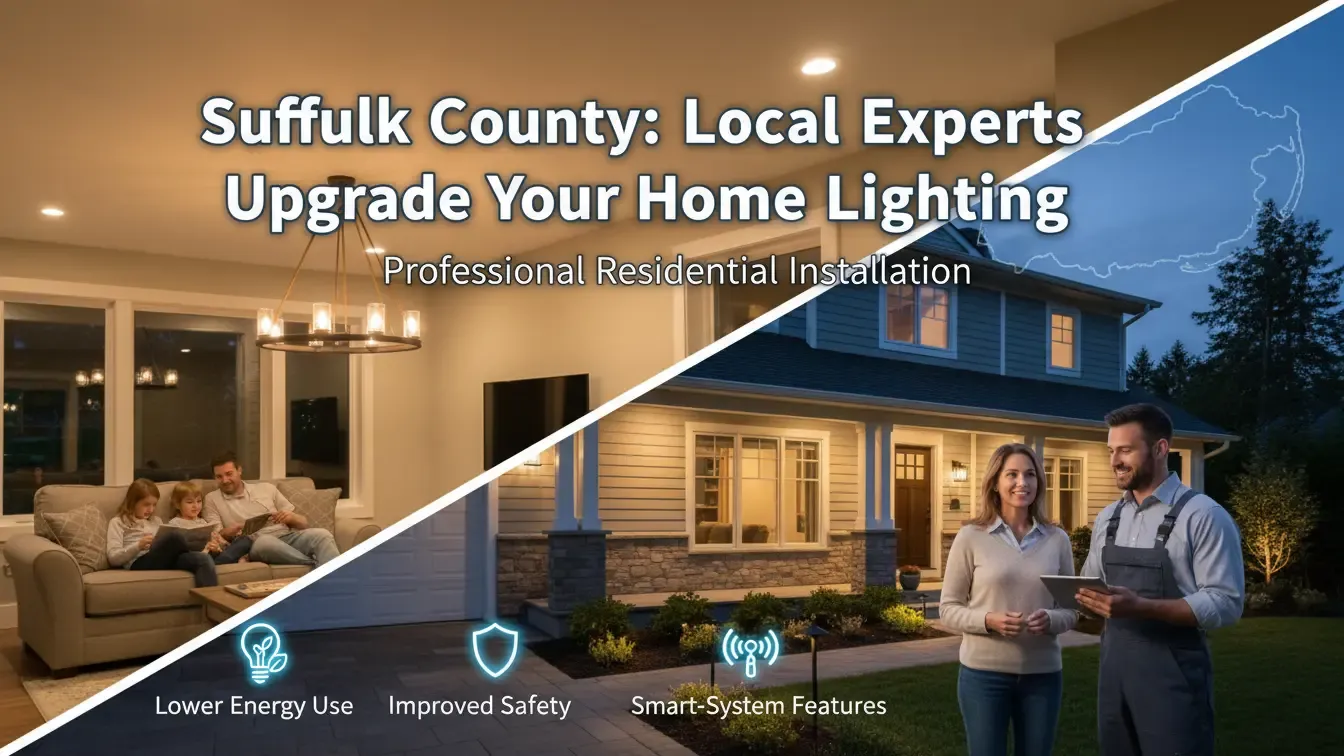
lk County upgrade your home’s lighting with professional residential installation
Proper residential lighting installation does more than brighten a room — it improves safety, lowers energy use, and makes daily life more comfortable. Local lighting professionals around Suffolk County blend thoughtful design, code‑compliant wiring, and modern fixtures to make spaces look and work better. Below we cover the technical steps (from load calculations to fixture selection), the practical benefits of LED upgrades, common repair scenarios, and the services licensed electricians provide. If you’re seeing flickering lights, working with old fixtures, or have dim or unsafe outdoor lighting, this guide points to clear solutions and a simple path to hire a trusted local Master Electrician. Read on for plain comparisons, example savings, smart‑system features, and a step‑by‑step path to get started locally.
What are the benefits of professional home’s lighting upgrades?
A planned lighting upgrade improves appearance, safety, energy use, and home value by pairing good design with code‑correct electrical work. On the technical side, upgrades replace inefficient loads with LEDs and add better controls, cutting wattage and heat while extending lamp life; on the practical side, they sharpen task lighting and create layered scenes that make rooms more usable and inviting. Proper upgrades also address safety — ensuring circuits, dimmers, and load balancing meet local code and reduce the risk of overloads or improper installs. The table below compares typical energy use, lifespan, and annual operating cost for incandescent, CFL, and LED options so you can judge ROI and likely savings.
The table below shows common bulb types, their power use, expected lifespan, and an approximate annual operating cost to illustrate savings from LED retrofits.
| Bulb Type | Power (W) | Lifespan (hours) | Approx. Annual Energy Use (kWh) |
|---|---|---|---|
| Incandescent (60W) | 60 W | 1,000 hrs | ~175 kWh |
| CFL equivalent | 13 W | 8,000 hrs | ~38 kWh |
| LED retrofit | 8-10 W | 25,000 hrs | ~25 kWh |
That comparison is clear: LED retrofits cut annual lighting energy use and last far longer, delivering meaningful cost and maintenance savings. From there, local electricians handle the practical work to implement upgrades correctly and safely.
How does expert lighting installation enhance home ambiance and aesthetics?
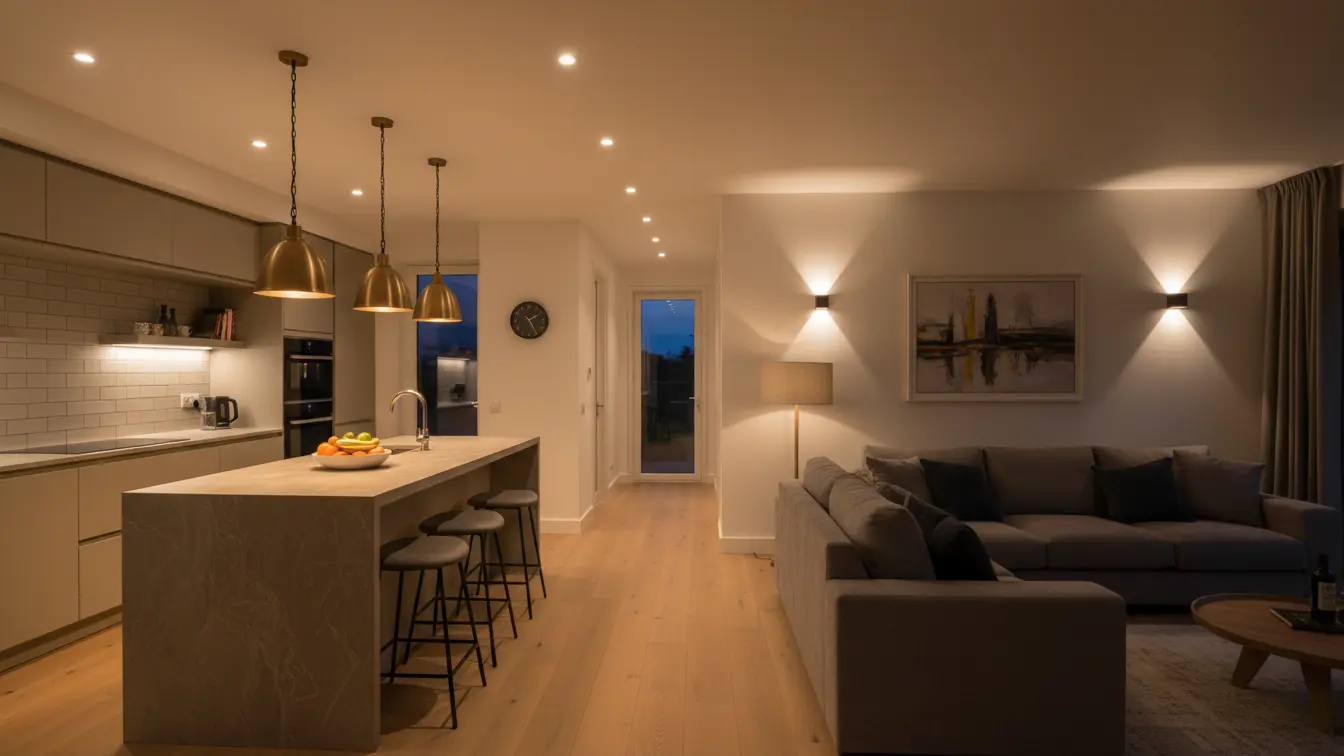
Well‑planned lighting changes how a room feels by using layered strategies — ambient, task, and accent — and choosing fixtures that match your interior style. An experienced installer checks ceiling height, surface reflectance, and room function to place recessed cans, pendants, sconces, and under‑cabinet lights so light falls where you need it without glare. Professionals also match color temperature and CRI across fixtures so skin tones and materials look consistent from room to room. Careful choices about trims, beam spread, and dimming capability finish the plan, creating flexible scenes for cooking, reading, or relaxing and boosting perceived value. Those same design principles support the measurable benefits of LED upgrades.
What energy savings come from LED lighting upgrades?
LED upgrades cut energy by replacing high‑wattage bulbs with efficient, high‑output fixtures and by adding smarter drivers and controls that reduce wasted run‑time. Converting general home lighting to LEDs commonly lowers lighting energy use by 50–75%; add dimmers and occupancy sensors and savings typically increase. LEDs often last 25,000 hours or more, reducing replacement frequency and maintenance costs and creating a multi‑year payback homeowners appreciate. Local rebates and incentive programs (when available) can improve project economics, which is why many people call licensed electricians for accurate, site‑specific savings estimates.
Which residential lighting installation services do local experts offer in Suffolk County?
Local electricians provide a full range of residential lighting services — interior, exterior, retrofits, and smart system integrations — all performed to code with dependable workmanship. Typical services include recessed lighting installation, full LED retrofits, landscape and pathway lighting, smart switches and control systems, room‑specific lighting design for kitchens and bathrooms, and repair of weather‑damaged outdoor fixtures. Each job has technical details — attic access and IC‑rated housings for recessed cans, proper low‑voltage transformers for landscape runs, and load balancing for multiple dimmed circuits — so experienced installers make a real difference. The table below outlines common service types and typical time/cost expectations.
| Service Type | Best Use Case | Typical Time/Cost Range |
|---|---|---|
| Recessed Lighting Installation | General ambient and task lighting in living rooms and kitchens | 2–6 fixtures: 2–6 hours; moderate cost depending on ceiling access |
| Outdoor Landscape Lighting | Path, garden, and accent lighting on low‑voltage systems | 4–8 hours for basic runs; cost varies with fixtures and trenching |
| Smart Lighting Integration | Home automation with scenes, schedules, and remote control | 2–6 hours for room‑level installs; more for whole‑home setups |
This overview shows how each service supports homeowner goals and leads into technical points for recessed and exterior installs.
What are the advantages of recessed lighting installation?
Recessed lighting keeps sightlines clean, lets you control spacing to shape light distribution, and pairs well with low‑profile LED trims that reduce ceiling clutter. Proper placement generally follows spacing rules — roughly one fixture every 4–6 feet depending on beam angle — and requires IC‑rated housings where insulation is present, plus attention to heat management for LED drivers. Recessed fixtures can serve ambient, task, or accent roles; trim and lens choices influence glare and beam spread, helping rooms feel larger or highlighting architectural details. When a licensed electrician installs recessed systems, they handle wiring, dimming controls, and load calculations safely and to code, improving reliability and resale appeal.
How does outdoor lighting installation improve security and curb appeal?
Outdoor lighting boosts safety and curb appeal by illuminating entryways, paths, and landscaping to guide movement and deter trespassers through visible light and well‑placed motion sensors. Path lights, deck and step lights, flood/security fixtures, and accent uplighting each serve different goals from safety to drama. Choosing proper transformers and weatherproof fixtures is especially important in coastal Suffolk County; sealed connections and corrosion‑resistant materials reduce maintenance in salty air and extend system life. Understanding these outdoor options helps homeowners balance looks, safety, and longevity when planning exterior upgrades.
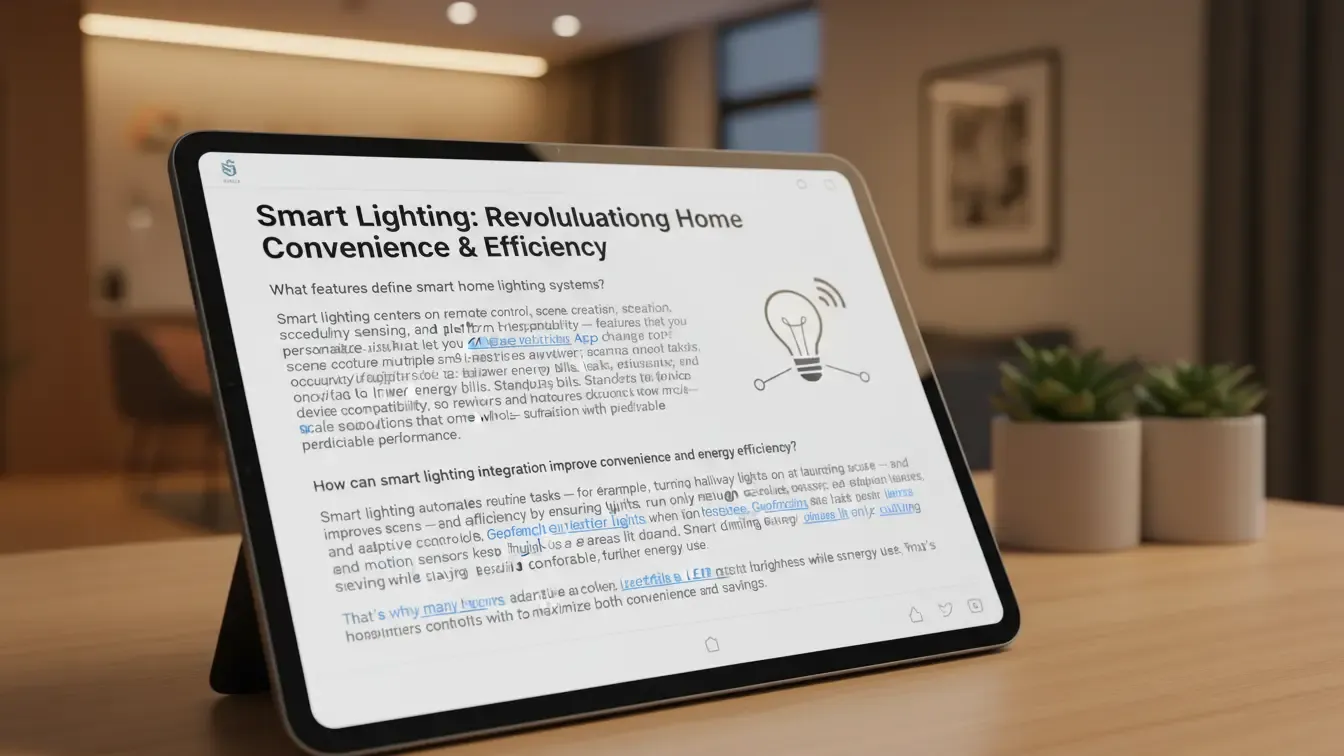
How do smart lighting system installations transform the home lighting experience?
Smart lighting turns fixed fixtures into a connected, automated system that saves energy, adds convenience, and enhances security with schedules and remote access. Technically, smart systems use Wi‑Fi, Zigbee, Z‑Wave, or vendor bridges to link bulbs, switches, and sensors into scenes and automations that respond to presence, time, or your preferences. Features include dimming scenes, geofencing to welcome you home, and voice‑assistant integration for hands‑free control. The table below compares common smart options so homeowners can pick the approach that fits their needs.
| Option | Control Method | Integration & Benefits |
|---|---|---|
| Smart Bulbs | Direct Wi‑Fi or Zigbee | Easy install, per‑fixture control — good for renters or single rooms |
| Smart Switches | Hardwired switch replacement | Central control for existing fixtures and reliable LED support |
| Hub‑Based Systems | Bridge/gateway + protocol | Robust scenes, improved multi‑device reliability, whole‑home automation |
These options illustrate the trade‑offs between simplicity and integrated performance and lead into a closer look at smart features and convenience gains.
What features define smart home lighting systems?
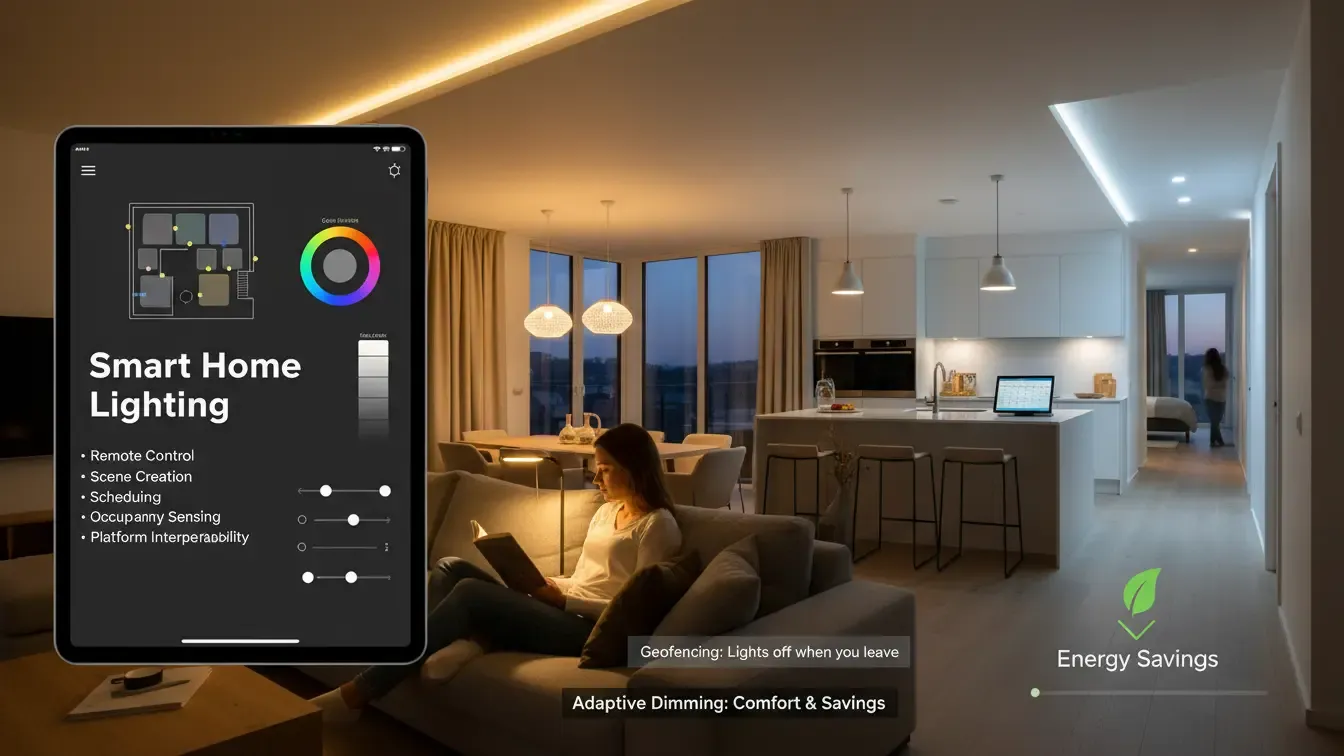
Smart lighting centers on remote control, scene creation, scheduling, occupancy sensing, and platform interoperability — features that let you personalize light and cut wasted run‑time. Apps let you change color temperature and dim levels from anywhere; scenes coordinate multiple fixtures for mood or tasks; and occupancy/daylight sensors automate on/off behavior to lower energy bills. Standards like Zigbee or Wi‑Fi affect device compatibility, so reviewing features and protocol support helps homeowners choose solutions that scale from one room to whole‑home automation with predictable performance.
How can smart lighting integration improve convenience and energy efficiency?
Smart lighting automates routine tasks — for example, turning hallway lights on at dusk or launching a morning scene — and improves efficiency by ensuring lights run only when needed through schedules, sensors, and adaptive controls. Geofencing can switch off interior lights when the last person leaves, and motion sensors keep high‑use areas lit only on demand, reducing run‑time. Smart dimming and adaptive color temperature let you lower perceived brightness while staying comfortable, further cutting energy use. That’s why many homeowners combine LED retrofits with smart controls to maximize both convenience and savings.
What are common Suffolk County lighting repair services provided by local experts?
Local electricians handle a wide range of lighting repair needs found in Suffolk County homes — from flickering fixtures and failed drivers to corroded outdoor fixtures and dimmer‑related circuit problems. A typical diagnostic workflow starts with a visual inspection and component checks (lamp condition, driver compatibility, switch/dimmer type), then moves to circuit testing for loose connections, neutral faults, or shared neutrals that cause intermittent behavior. Repairs can be as simple as swapping to LED‑compatible dimmers or as involved as replacing damaged landscape transformers or rewiring junctions to meet code. Knowing these scenarios helps you judge when a quick swap will fix the issue and when licensed intervention is the safer choice.
How are flickering lights and electrical issues diagnosed and fixed?
Diagnosing flicker follows a straightforward sequence: check the bulb and compatibility, test dimmer and driver stability, inspect switch contacts, and trace wiring for loose connections or overloaded circuits that drop voltage. Fixes range from replacing incompatible LED drivers and installing LED‑friendly dimmers to tightening connections, separating shared neutrals, or upgrading branch circuits if loads exceed safe limits. Always follow safety steps — turn off the breaker and use a non‑contact tester — and treat persistent arcing or burning smells as emergencies that require a licensed electrician. Understanding the process prepares homeowners for efficient repairs and smarter conversations with service providers.
When is professional lighting repair necessary for safety and code compliance?
Call a professional when problems involve wiring faults, persistent arcing, circuit overloads, or any work that requires permits, load calculations, or attic and junction‑box access. Immediate attention is needed for sparks, burning smells, repeated breaker trips, or visible wiring damage — these are fire hazards and likely code violations if left unaddressed. Licensed electricians handle permit‑required work and ensure installations meet Suffolk County electrical code, protecting safety and limiting liability. Spotting these red flags helps homeowners prioritize urgent repairs and avoid DIY fixes that can worsen the situation.
Why choose licensed local electricians for your home lighting projects?
Licensed local electricians bring technical accuracy, code compliance, and accountability (insurance and proper permitting) — all of which protect homeowners and keep systems dependable. Master Electricians understand load calculations, safe wiring practices, and local permitting rules that help avoid problems like overloaded circuits or incompatible dimmers. Local firms also offer faster response times, familiarity with Suffolk County code and coastal climate concerns, and practical guidance on weatherproofing and material selection. For transparent pricing and workmanship you can trust, get estimates from licensed local professionals.
The local company RJ & Son Electric is an example of the licensed, insured Master Electrician model in Suffolk County. They provide residential and commercial electrical services including panel upgrades, EV charger and generator transfer switch installation, lighting installation, and repairs. Homeowners can consult Richard Gruttola’s team for a professional assessment that balances design, safety, and code compliance before any work starts.
Many projects begin with electrical infrastructure upgrades. For example, ensuring your home can handle modern loads may require professional panel upgrades to increase capacity and improve safety.
As EV ownership rises, homeowners also request specialized electrical work. Expert EV charger installation makes home charging convenient and safe, integrating cleanly with existing systems.
For reliable power during outages, many choose backup solutions. Proper generator transfer switch installation provides a safe, dependable transfer to emergency power when it’s needed.
What credentials and expertise do Master Electricians bring to lighting installation?
Master Electricians have advanced training in electrical theory, load calculation, and code interpretation, so they design circuits that support modern lighting and smart controls without nuisance trips or safety hazards. Their expertise includes fixture selection for LED driver compatibility, correct dimmer and control choices, and compliant wiring in concealed spaces like attics and crawlspaces. That competence reduces callbacks, ensures permits and inspections are handled properly, and typically delivers longer‑lasting performance than unlicensed work. Knowing this helps homeowners understand why credentialed pros are worth the investment for complex lighting projects.
How does local Suffolk County knowledge benefit lighting upgrades and repairs?
Local knowledge matters: Suffolk County electricians understand regional permitting, coastal exposure issues like corrosion, and where to source weather‑rated fixtures that perform locally. Technicians familiar with the area can recommend corrosion‑resistant finishes, sealed connectors for outdoor runs, and transformer placement strategies to limit salt‑air damage. Faster local response and references from nearby jobs also ease project coordination, especially after storms or during seasonal maintenance. That regional expertise helps homeowners choose systems that last and perform reliably in Suffolk County’s environment.
How can homeowners get started with professional lighting installation services?
Starting a lighting project is straightforward: schedule a site consultation, review design and product options, get a written estimate, approve the work, and complete installation with testing and a homeowner walkthrough. During the consultation, expect a licensed electrician to inspect circuits, discuss scenes and controls, and recommend fixtures and placement that match both aesthetic and load requirements. Estimates should itemize materials, labor, and permit fees so you can compare offers clearly; scheduling depends on scope and parts availability. The steps below summarize a practical onboarding process to begin a residential lighting project.
- Request a Site Consultation: Book an on‑site visit so the electrician can evaluate wiring, access, and design needs.
- Review Design and Options: Discuss fixture styles, LED and smart control choices, and any required code upgrades.
- Receive a Detailed Estimate: Get an itemized written proposal that lists materials, labor, permits, and timelines.
- Schedule and Approve Work: Confirm start dates, access needs, and any temporary power or safety measures.
- Installation and Testing: Licensed electricians complete wiring, install fixtures, test circuits and controls, and conduct a final walkthrough.
What is the typical process for lighting consultation, design, and installation?
The process starts with a site assessment to document existing circuits, switch locations, and desired fixtures; next comes a design phase covering placement, load calculations, and control strategies. After you approve the design, the electrician prepares a detailed estimate and applies for permits if needed. Materials are selected with an eye toward compatibility and efficiency, and rated outdoor products are used where appropriate. Installation follows safe shutdown procedures, code‑compliant wiring, and careful mounting and trim work; after testing and programming smart controls, the electrician will walk you through operation. This structured workflow keeps timelines predictable and results verifiable.
How can customers request quotes and schedule lighting services locally?
To request a quote, have a few project details ready — areas to be lit, rough fixture counts, desired control features, and any photos or inspiration — then contact RJ & Son Electric by phone at (631) 833-7663 or by email at info@rjandsonelectric.com. Their team will schedule a consultation and provide a tailored estimate.
These steps and contact details help homeowners move from planning to action, ensuring projects are handled by qualified professionals who prioritize safety, compliance, and durable results.
Frequently asked questions
What should I consider when choosing lighting fixtures for my home?
Start with the room’s purpose, the mood you want, and energy performance. Consider size and layout to determine fixture type and count, and choose a color temperature that fits the space (warmer for cozy areas, cooler for task zones). Also confirm fixture compatibility with your electrical system and local code requirements to avoid surprises during installation.
How can I maintain my lighting fixtures to ensure longevity?
Keep fixtures free of dust and debris, check for loose connections or frayed wires, and replace bulbs before they fail to avoid strain on drivers. For outdoor fixtures, inspect seals and check for corrosion periodically. Regular professional inspections can catch issues early and extend the life of your system.
What are the benefits of smart lighting systems compared to traditional lighting?
Smart lighting adds convenience, customization, and energy savings. You can control lights remotely, set schedules and scenes, and use occupancy sensors to eliminate wasted run‑time. Smart systems also integrate with other home automation for smoother daily routines and often deliver measurable efficiency gains.
How do I know if I need a lighting upgrade?
Consider upgrading if you experience frequent flicker, higher‑than‑expected energy bills, or rooms that feel poorly lit. Outdated fixtures that limit desired ambiance or aren’t compatible with modern controls are also good reasons to update. A licensed electrician can assess your setup and recommend the most effective upgrades.
What are the common mistakes homeowners make during lighting installation?
Common mistakes include poor fixture placement, neglecting layered lighting, and mismatching bulbs with dimmers or controls. Underestimating required circuit capacity or ignoring local electrical codes can create safety issues. Working with a licensed electrician helps you avoid these pitfalls and achieve a well‑executed result.
Are there any local incentives for upgrading to energy-efficient lighting in Suffolk County?
Yes — Suffolk County and some local utilities offer rebates and incentives for energy‑efficient upgrades like LED retrofits. Check with your utility provider or county resources for current programs, eligibility, and application steps. These incentives can significantly reduce project cost.
What should I expect during a professional lighting consultation?
Expect a thorough review of your existing setup, a discussion of your goals and preferences, and recommendations for fixture placement and control strategies. The electrician will evaluate circuits and code needs and provide a detailed estimate outlining the proposed work, materials, and timeline so you can decide with confidence.