Understanding the panel upgrade cost in Suffolk County for 2025 helps you plan accurately. Prices vary by service size, access, and permit work. This guide walks through the factors that drive cost, typical ranges for 100A, 200A, and 400A upgrades, and how added loads like EV chargers affect the final price.
Get Your Free Quote Now
Ready for a Reliable Electrical Panel?
Don’t let an old panel put your home at risk. Schedule a professional assessment and get a clear, itemized quote for your panel upgrade cost today.
What Are the Average Electrical Panel Upgrade Costs in Suffolk County for 2025?
In 2025, typical residential panel upgrade costs in Suffolk County run roughly $1,500–$6,000. Final pricing depends on amperage, meter/service work, and required safety devices. Simple 100A swaps sit at the low end; full 200A service upgrades that include meter or mast work fall in the middle. These figures assume labor, basic materials, and a permit allowance. The table below summarizes common ranges and typical add-ons.
| Panel Size / Item | Typical Cost Range (2025 Suffolk County) | Common Add-ons / Notes |
|---|---|---|
| 60A / Basic replacement | $800 – $1,800 | Replacing a fuse box with a breaker panel increases scope |
| 100A panel upgrade | $1,200 – $2,800 | Common in older homes; may require grounding updates |
| 200A panel upgrade | $2,500 – $5,500 | Standard modern residential upgrade; may involve meter work |
| 400A / Commercial service | $4,500 – $9,500+ | Larger services need utility coordination; consider commercial specialists |
| Meter socket / service mast work | $300 – $1,500+ | Utility coordination can add time and cost |
Amperage and any meter/mast work are the biggest budget drivers for a panel upgrade. Reducing extra infrastructure work is the most effective way to lower the total cost.
Understanding Your Panel Upgrade Cost by Amperage
A 100A upgrade replaces older panels, allows modern breakers, and updates grounding—it’s usually the least expensive residential option. A 200A upgrade uses larger equipment and often requires meter/mast changes, which raises material and permit costs. A 400A or commercial electrical service involves much larger gear, utility coordination, and sometimes trenching, so costs climb accordingly. Knowing these differences helps you choose the right upgrade for your needs.
Local Factors Affecting Your Panel Upgrade Cost in Suffolk County
Local details—permit fees, inspector schedules, and contractor availability—affect how long the job takes and what it costs. Longer timelines or multiple inspections increase labor. Material trends, particularly for AFCI/GFCI breakers, can raise parts costs. Tight spaces (like narrow basements) slow work. Utility coordination for meter changes adds fees and scheduling. Budgeting for these contingencies gives a more realistic panel upgrade cost estimate.
- Permit and inspection turnaround times
- Breaker and material price fluctuations
- Site accessibility and required conduit work
Record your existing service size and any known issues before scheduling an inspection so quotes reflect the real scope.
Key Factors Influencing the Panel Upgrade Cost
Total cost combines materials, labor, permit fees, and job complexity. Materials include the panel, main breaker, bus assembly, and AFCI/GFCI breakers. Labor covers electrician hours for removal, installation, and testing. Permits and inspections add municipal fees and possible rework. Accessibility and meter/mast changes add scope. The table below breaks down common items and their typical cost impact.
| Item | Attribute | Typical Impact on Cost |
|---|---|---|
| Main panel (cabinet + main breaker) | Unit cost | $300 – $1,200 depending on amperage (e.g., Square D or Eaton brands) |
| AFCI breaker | Per-unit cost | $50 – $90 each; NEC requirements increase count |
| GFCI breaker | Per-unit cost | $60 – $110 each; kitchens/bathrooms often require them |
| Subpanel installation | Scope | $400 – $1,200 depending on feeder size |
| Meter/socket work | Utility coordination | $300 – $1,500+; may require utility approval |

Material Costs, Including Arc-Fault and GFCI Breakers
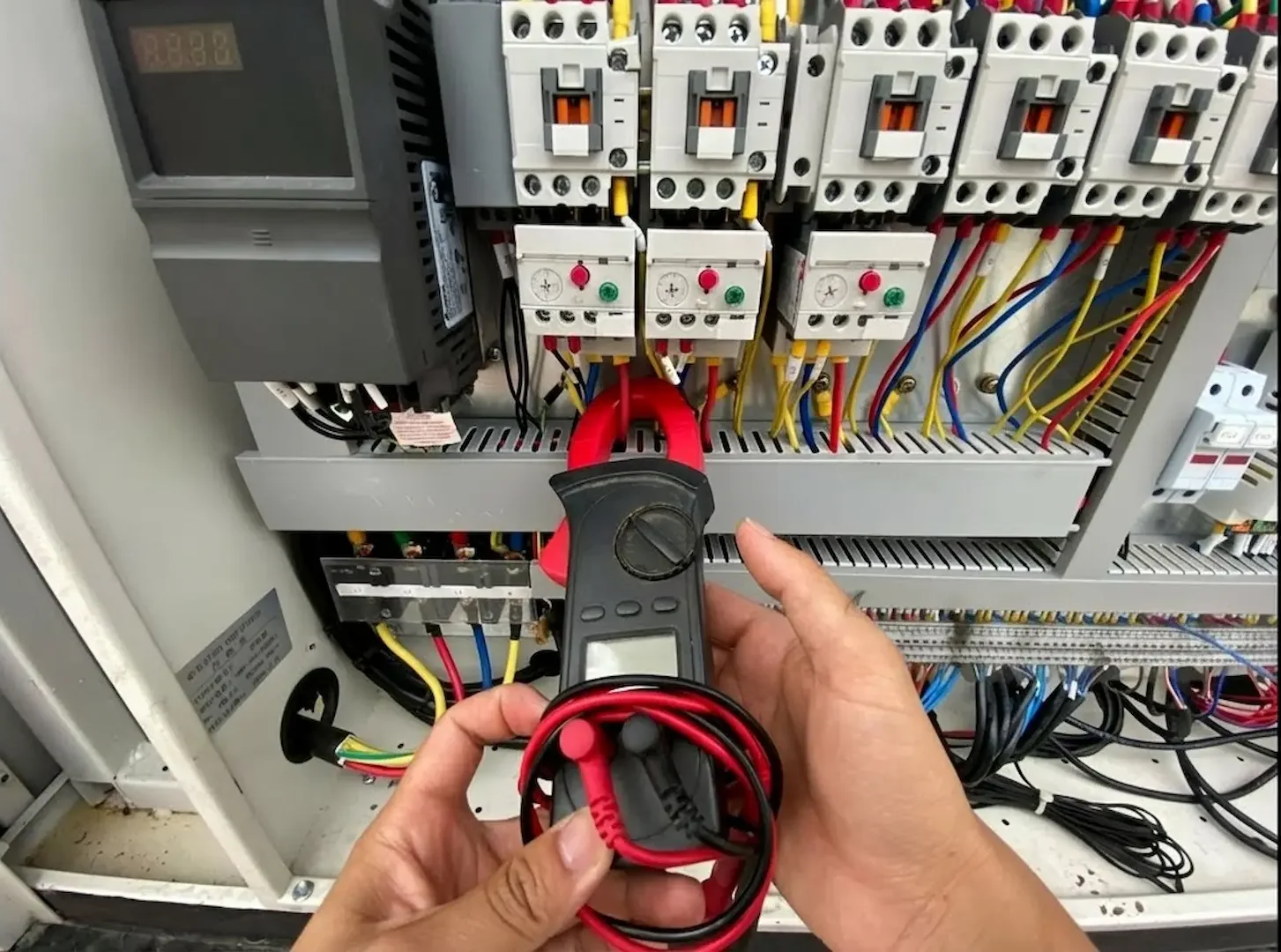
Panel material costs cover the enclosure, main breaker, bus bars, and individual breakers. AFCI and GFCI breakers cost more and are now required in many living spaces, which can add dozens to over a hundred dollars per circuit. A 200A upgrade may need a dozen or more specialty breakers, increasing parts costs. Specialty breakers also add labor for identification, labeling, and testing, which affects the overall panel upgrade cost. Clear quotes should list expected specialty breakers and estimated installation time.
Labor and Permit Fees for Panel Upgrades in Suffolk County
Labor for a panel upgrade can range from a few to a couple dozen electrician-hours. Simple 100A swaps are faster; 200A replacements with meter/mast work take longer. Permit fees vary by town and usually require application, plan review, and inspections—corrections add time and money. Jobs needing conduit, new grounding, or utility coordination may include subcontractor charges. Ask contractors for an hours × rate breakdown and a permit allowance to avoid surprises in your estimate.
Signs You Need an Electrical Panel Upgrade
Look for signs that indicate a panel inspection or upgrade is needed: frequent breaker trips, flickering lights, warm or discolored panel covers, buzzing sounds, or an old fuse box. Multiple symptoms often point to a broader capacity or safety issue. Proactive inspections reduce the risk of electrical failures and fire. Addressing issues early can prevent higher costs later, making a timely upgrade a smart investment in safety.
- Frequent breaker trips during normal use
- Lights that flicker or dim when appliances start
- Panel that feels warm or shows burn marks/discoloration
- Buzzing or humming near the panel
- An old fuse box instead of a modern breaker panel
Frequent Breaker Trips and Flickering Lights Signal Panel Issues
Frequent trips and flickering lights often mean overloaded circuits, loose connections, or failing breakers. If trips are tied to one appliance, a dedicated circuit or electrical repair may fix it. But if multiple circuits trip or lights dim when big appliances run, the panel’s capacity or bus integrity could be the problem. Loose connections are a fire hazard and can cause arcing—call a licensed electrician promptly so the panel upgrade cost estimate addresses the real issue.
Replacing Outdated Fuse Boxes: Safety and Compliance
Old fuse boxes lack modern protections like AFCI/GFCI and often don’t meet current safety codes. Replacing a fuse box with a modern breaker panel adds circuit-level protection, makes fault isolation easier, and creates room for future additions (for example, an EV charger or subpanel). Modern panels simplify grounding and neutral arrangements. Upgrading improves safety, supports insurance and resale, and handles today’s electrical demands—making a replacement a long-term value decision. For more safety guidance, see the CPSC or the Electrical Safety Foundation International.
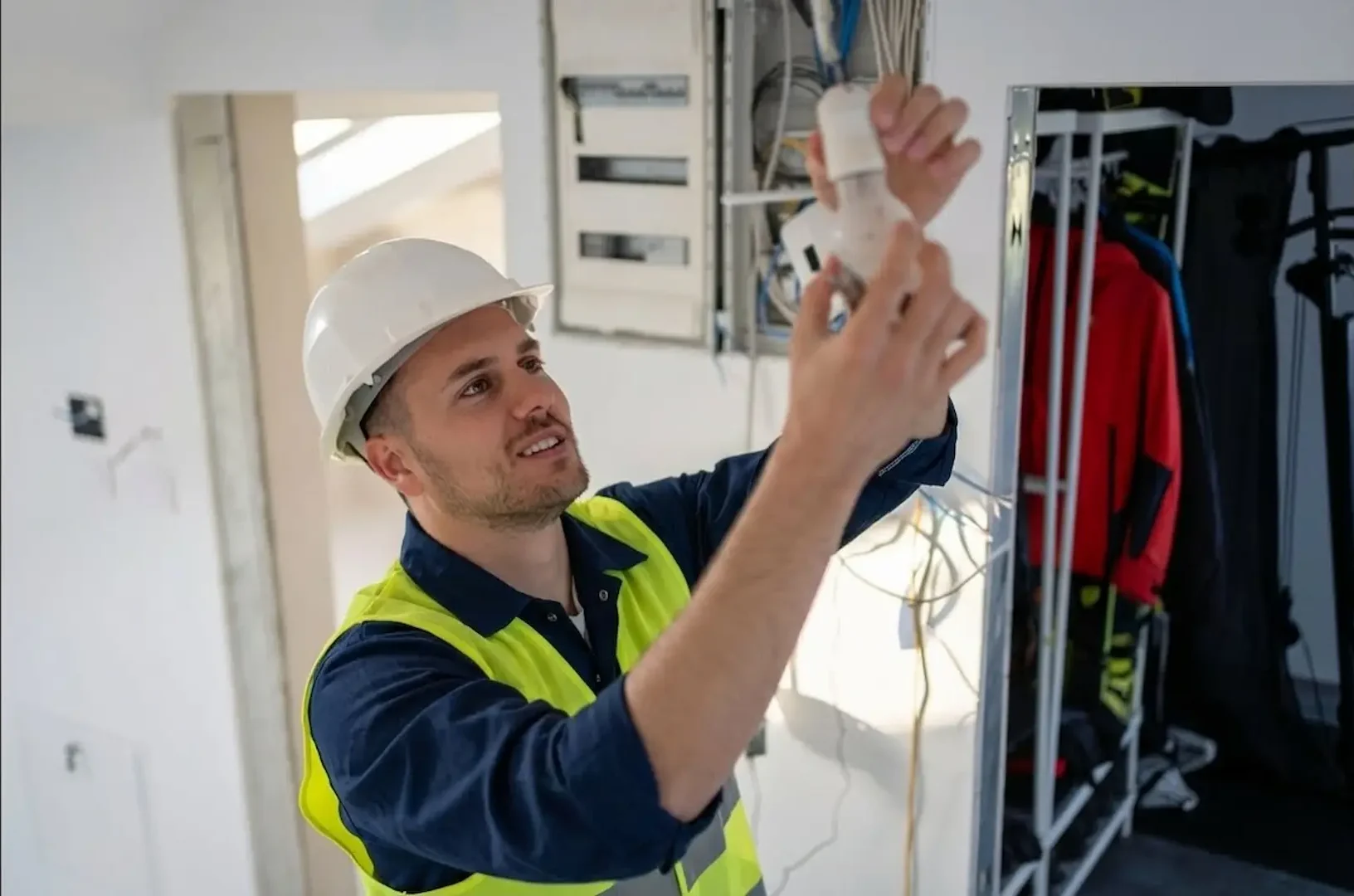
RJ & Son Electric: Our Panel Upgrade Process
RJ & Son Electric is a licensed, insured Master Electrician team serving Suffolk County, NY. We specialize in panel upgrades and service changes, using a code-first process that covers consultation, permitting, installation, testing, and cleanup. We provide straightforward pricing, fast local response, and Master Electrician oversight to ensure safe, code-compliant installations. Services include upgrades from 60A/100A/150A to 200A+ systems, meter/mast upgrades, main breaker replacements, subpanel installs, circuit additions, load balancing, and fuse box replacements.
Our typical process:
- On-site consultation and assessment of your existing service, plus a load calculation and our recommendation for appropriate amperage and equipment.
- We handle permit procurement and coordinate with local inspectors and the utility when meter or service work is required.
- Licensed electricians perform the installation: panel replacement, breaker installation, grounding, and any subpanel or feeder work.
- We test circuits, label them, coordinate the final inspection, and complete a cleanup and post-job walkthrough with you.
This licensed, inspected approach minimizes rework and helps ensure installations meet Suffolk County requirements for safety and compliance while giving you a reliable panel upgrade cost estimate.
- Master Electrician oversight for code-compliant work, following OSHA electrical safety standards.
- Insured service to protect homeowners during installations.
- Transparent quotes and permit handling to reduce surprises.
Why Choose a Licensed Master Electrician?
A licensed Master Electrician knows Suffolk County codes, inspector expectations, and how to coordinate with utilities—reducing the risk of failed inspections or costly rework. Licensing and insurance protect you legally and financially. A skilled electrician places AFCI/GFCI devices correctly, upgrades grounding, and sizes conductors for modern loads. Hiring licensed help prevents common mistakes—like undersized feeders or missing protective devices—and delivers reliable results for your panel upgrade.
Modern Electrical Needs & Panel Upgrade Cost
Modern loads—like EV chargers, electric ranges, and heat-pump HVAC—often require more service ampacity or dedicated circuits, which can mean a full 200A upgrade. Level 2 EV chargers typically need 40A–60A dedicated circuits and sufficient panel capacity. We cover typical appliance loads, how they affect capacity planning, and incremental costs for future-proofing. Planning ahead usually costs less than multiple small upgrades, so a comprehensive upgrade is often the smarter choice. See Energy.gov or ENERGY STAR for efficiency guidance.
Here’s a quick table linking common modern loads to typical additional amp requirements and cost implications.
| Appliance / Load | Typical Additional Amperage Required | Typical Impact on Upgrade Cost |
|---|---|---|
| Home EV Charger (Level 2) | 40A–60A dedicated circuit | May require 200A service upgrade; $800–$2,000 incremental |
| Electric range / oven | 40A–50A | Can require a dedicated circuit or higher main service |
| Heat pump / HVAC | 30A–60A | May trigger a larger feeder and panel capacity upgrade |
| Electric dryer | 30A–40A | Often needs a dedicated circuit; minimal if capacity is available |
Why Installing an EV Charger Often Requires a Panel Upgrade
Level 2 EV chargers draw 40A–60A on a dedicated circuit, which is a significant continuous load when doing whole-house calculations. If your existing service is near capacity, adding an EV charger can cause overloads or nuisance trips, often making a 200A upgrade the safest option. EV installs also require proper overcurrent protection and sometimes utility approval. Coordinating a service upgrade with charger installation typically lowers total cost compared with doing each project separately.
Cost Implications of Upgrading Panels for High-Power Appliances
High-power appliances (ranges, dryers, heat pumps) each need 30A–60A dedicated circuits. Combined loads can require a main service upgrade to avoid overloads and meet load rules. If spare panel capacity exists, adding circuits is relatively inexpensive; if not, a full service upgrade is likely. Appliance-driven upgrades need specific breaker types, conductor sizing, and sometimes extra disconnects, which raises materials and labor. Evaluating cumulative loads and choosing a planned upgrade can save on repeated permits and mobilization costs.
Permit Requirements and Regulations for Panel Upgrades in Suffolk County
Most panel upgrades in New York, including Suffolk County, require a permit and municipal inspections for safety and code compliance. The process includes submitting a scope, paying fees, scheduling inspections (rough and final), and receiving approval. Local code updates (AFCI/GFCI, grounding rules) change parts and inspection criteria, adding scope and cost. Knowing permit steps and timelines helps plan scheduling and budget contingencies so your panel upgrade stays on track.
Do You Need a Permit for an Electrical Panel Upgrade in New York?
Yes—most panel upgrades and service changes in New York require a permit and municipal inspection to confirm compliance with the NEC and local amendments. The workflow includes applying with a project description, paying fees, scheduling inspections, and addressing inspector comments. Permit processing varies by town and can add days or weeks. Many municipalities require licensed contractors to submit applications. Anticipating permit timing and potential corrections avoids surprises and extra charges.
How Local Codes and Safety Standards Affect Upgrade Costs and Processes
Local adoption of NEC updates and New York State amendments affects AFCI/GFCI requirements, grounding, labeling, and sometimes smoke/CO interlocks—raising parts and labor needs. Inspectors enforce these rules and may require corrections for missing protective devices or improper conductor sizing, which increases rework and inspection costs. Municipal contractor documentation rules can affect job speed. Accurate quotes should list code-required devices and assumptions about existing wiring or grounding that could change the final cost. Budgeting for code compliance up front avoids later expenses. Check UL certifications for component verification.
Beyond panel upgrades, RJ & Son Electric also provides related services like generator transfer switch installation, rewiring, ceiling fan installation, and surge protection so you have a complete power solution for your home.
Frequently Asked Questions About Panel Upgrade Cost
What should I consider before upgrading my electrical panel?
Think about current and future electrical needs (EV charging, new HVAC, electric range, home office). Note your panel’s age and condition—older panels may not meet modern safety standards. Factor in Suffolk County permit requirements and timelines. A licensed electrician can review your setup, perform a load calculation, and recommend the most cost-effective and safe option.
How long does an electrical panel upgrade typically take?
Time varies with complexity. A simple panel swap can take a few hours to a day. Grounding upgrades, meter work, or utility coordination can extend the job to several days. Permit processing and inspector availability also affect timing. Discuss the schedule with your electrician so you can plan for temporary power interruptions.
Are there financing options available for electrical panel upgrades?
Yes—many homeowners finance upgrades through personal loans, home equity lines of credit, or contractor financing programs. Some utilities offer rebates for energy-efficient upgrades. Ask your contractor about financing and local incentives to find the right option for your budget.
What are the benefits of upgrading to a 200A panel?
A 200A panel gives your home more capacity for modern living: fewer breaker trips during simultaneous appliance use, better safety margins, and room for future additions like EV chargers. A forward-looking upgrade reduces the need for repeated panel work as your electrical demands grow.
How can I find a qualified electrician for my panel upgrade?
Ask neighbors for recommendations, read online reviews, and verify licenses and insurance. Get multiple quotes to compare scope and pricing, and request references. Choose a contractor who provides clear, itemized quotes and handles permitting—this minimizes surprises and ensures a reliable result.
What should I do if my electrical panel is outdated?
If your panel is old or showing warning signs (frequent trips, flickering lights, or a fuse box), schedule an electrical inspection. An inspection identifies safety issues and determines whether a repair or full replacement is required. Upgrading to a modern panel improves safety and capacity and gives you peace of mind.
Ready to Upgrade Your Electrical Panel?
Keep your home safe and prepared for today’s electrical demands. Contact RJ & Son Electric for a detailed assessment and a transparent quote on your panel upgrade cost.