An electrical panel upgrade is one of the most effective actions you can take to improve your home’s electrical panel safety. It brings the main power connection up to modern standards, lowers fire and shock risks, adds capacity for today’s appliances and EV chargers, and helps ensure code compliance. This guide walks through signs of an outdated panel, upgrade benefits, 100A vs. 200A service choices, the upgrade process, typical costs and financing, and how to choose the right electrician. For broad safety guidance, see resources from the Electrical Safety Foundation International (ESFI) and the Consumer Product Safety Commission (CPSC).
What Are the Signs of an Outdated Electrical Panel Impacting Safety?
Older panels often show clear signs they can’t handle modern electrical demands, which affects electrical panel safety. Many older units lack AFCI (Arc-Fault Circuit Interrupter) and GFCI (Ground-Fault Circuit Interrupter) protection — both important for preventing fires and shocks. Catching problems early can save appliances and avoid costly repairs. The indicators below mean you should book a licensed inspection and consider local electrical repair services.
Common signs of an outdated electrical panel include:
- Lights that flicker when an appliance kicks on — a likely sign of overloaded circuits or loose connections.
- Frequent breaker trips during normal use, which points to limited capacity or failing breakers.
- A panel that’s warm to the touch or makes a buzzing sound, often caused by arcing or loose lugs — both fire hazards.
- Use of fuses or very old panel models that won’t accept modern breakers.
- Burn marks, a scorched smell, or discolored wire labels — signs of past overheating.
- Too few circuits that force heavy use of extension cords and power strips — a common fire risk.
If you see any of these signs, schedule a safety inspection. A licensed electrician can diagnose problems, perform a load calculation, and recommend repairs, adding a subpanel, or a full upgrade to restore electrical panel safety. For targeted fixes, see our electrical repairs page.
How Do Flickering Lights and Frequent Breaker Trips Indicate Electrical Panel Safety Issues?
Flickering lights and repeated breaker trips are common clues of overloaded circuits, shared neutrals, or worn breakers — all of which compromise electrical panel safety. Overloads happen when high-draw devices exceed a circuit’s capacity, causing voltage drops and flicker. Loose or corroded connections can produce similar symptoms and create arcing, which raises fire risk. Keep track of which appliances trigger flicker — that information helps your electrician perform an accurate load calculation and fix the issue safely.
Why Is a Warm or Buzzing Electrical Panel a Warning Sign for Safety?
A panel that feels warm or emits a buzzing sound usually points to loose lugs, arcing, or overloaded circuits — conditions that increase fire risk and equipment failure and directly affect electrical panel safety. Loose connections raise resistance and heat the conductor. Buzzing can also come from magnetic stress in old breakers. If you notice warmth or noise, reduce loads on the affected circuits and schedule a licensed electrician to inspect. A pro will tighten or replace connections, install new breakers if needed, and correct grounding so the panel operates safely.
What Are the Key Benefits of Upgrading Your Electrical Panel for Safety?
A panel upgrade improves electrical panel safety, increases capacity for modern systems, brings your home up to code, and can boost resale value. Modern panels support AFCI and GFCI protection and proper grounding, cutting fire and shock risks. More capacity lets you add dedicated circuits for EV chargers, HVAC, and kitchen appliances, which reduces nuisance trips and prepares your home for future electrification. For efficiency guidance, see Energy Star and Energy.gov.
| Benefit | Mechanism | Homeowner Value |
|---|---|---|
| Improved Electrical Panel Safety | AFCI/GFCI breakers and correct grounding | Lower fire and shock risk; safer daily living |
| Increased Capacity | Larger main breaker or additional breaker spaces | Supports EV chargers, modern appliances, and renovations |
| Code Compliance | Updated labeling, grounding, and inspector sign-off | Smoother resale and insurance approvals |
| Surge Protection Ready | Room for whole-house surge devices | Protects electronics and lowers replacement costs |
An upgraded panel also accommodates future systems like smart-home gear and whole-house surge protection, adding convenience and resilience. Those improvements deliver immediate safety benefits and long-term value.
How Does an Upgrade Enhance Home Safety and Code Compliance?
Upgrading a panel brings modern protective devices into the system so grounding, bonding, and breaker types meet NEC and local code requirements. AFCIs reduce arc-fault fire risk; GFCIs prevent shocks in wet areas — both are commonly required by current codes. Permits and inspections confirm circuit labeling and overall system integrity. A licensed electrician ensures the work meets local rules, which simplifies insurance and resale. A proper upgrade noticeably improves electrical panel safety.
In What Ways Does a Modern Panel Increase Electrical Capacity and Support EV Chargers?
A modern panel raises your home’s usable amperage through a larger main breaker, more breaker spaces, or by adding a subpanel. That lets you create dedicated circuits for high-demand equipment such as Level 2 EV chargers (typically 40–50A). A 200A service or an appropriately sized subpanel is often the best option; exact sizing should follow a load calculation. Upgrades also ensure breakers and bus bars handle heat properly, reducing nuisance trips and overloads and improving electrical panel safety. Extra breaker spaces make future additions easier and avoid later rewiring.
Residential Panel Upgrades for EV Charging & Electrification
ABSTRACT: A UCLA study examined residential panel upgrade needs for decarbonization goals (LA100 plan). It found widespread EV adoption and electrification of gas uses will significantly increase household electrical demand. A key barrier is the rated capacity of customer-owned service panels, which connect the utility network to a building’s internal system.
Service Panel Upgrade Needs for Future Residential Electrification, ED Fournier, 2023
How Do 100 Amp and 200 Amp Electrical Service Upgrades Compare for Safety?
Choosing between 100A and 200A service comes down to present needs and future plans, with long-term electrical panel safety in mind. A 100A service can be adequate for small or older homes with limited loads. A 200A service is a better fit for medium to large homes, EV charging, or multiple high-draw circuits. A 200A upgrade is typically more involved and may require meter or mast relocation, heavier conductors, and coordination with the utility. See the table below for a simple comparison.
| Service Level | Typical Home Size / Use Case | EV Charging Suitability |
|---|---|---|
| 100 amp | Small or older homes with limited concurrent loads | Often not enough for Level 2 chargers unless paired with a subpanel or service upgrade; risk of overload. |
| 200 amp | Medium to large homes with modern appliances and multiple loads | Well suited for a Level 2 EV charger on a dedicated circuit, improving safety and reliability. |
| Subpanel addition | Targeted capacity increase without changing the main service | Good when main service is tight but feeder space exists; a practical safety-focused option. |
Your best choice depends on projected loads and the condition of your existing equipment. A licensed electrician will run a load calculation and inspect your system to recommend the option that best protects electrical panel safety.
When Is a 200 Amp Service Upgrade Necessary for Enhanced Electrical Panel Safety?
Consider a 200A upgrade if you plan to add high-demand systems like Level 2 EV chargers, central heat pumps, or a full electric kitchen remodel. Major renovations that increase simultaneous electrical demand usually require a larger main breaker and heavier feed conductors to preserve electrical panel safety. Frequent nuisance trips or the inability to add dedicated circuits are clear signals you need more capacity. While a subpanel can be a short-term fix, a full 200A upgrade offers stronger future-proofing and larger safety margins.
What Are the Advantages of Replacing Fuse Boxes with Circuit Breaker Panels for Safety?
Swapping a fuse box for a modern circuit breaker panel provides resettable protection, easier integration of AFCI/GFCI devices, and better parts availability — all of which simplify maintenance and improve home safety. Breakers reset after overloads, unlike fuses, and they follow standardized specifications. For inspections and insurance, moving away from fuses often resolves concerns and reduces hidden overloads that can damage wiring or start fires, significantly improving electrical panel safety.
What Is the Process for a Licensed Electrician to Perform a Panel Upgrade for Safety?
A licensed electrician follows a clear sequence — assessment, permits, installation, testing, and handoff — to deliver a safe, code-compliant upgrade that restores electrical panel safety. The process starts with a site visit and load calculation. The electrician handles permit paperwork and coordinates Suffolk County inspections. Installation typically includes de-energizing the service, removing the old panel, updating grounding/bonding, mounting the new panel and breakers, and final testing before inspector sign-off. You’ll receive labeled circuits and a walkthrough on safe operation.
The typical step-by-step process with estimated times:
- Initial assessment and load calculation: 1–2 hours.
- Permit submission and scheduling: 1–10 business days.
- Physical installation and wiring updates: 4–12 hours.
- Testing and inspection coordination: 1–3 hours.
- Cleanup and homeowner briefing: 30–60 minutes.
A reputable contractor gives a clear timeline and manages inspections to keep downtime minimal. RJ & Son Electric’s five-step approach emphasizes transparent estimates and inspection coordination. Homeowners can request a quote or schedule an evaluation.
What Are the Step-by-Step Procedures During an Electrical Panel Upgrade to Ensure Safety?
On the day of the upgrade, the electrician documents existing circuits, revises the load calculation, and plans to limit service interruptions. After permit approval, the crew schedules a short power shutdown, disconnects the service, and removes the old panel. Technicians mount and wire the new panel, verify bus and grounding connections, and tidy branch circuits with clear labels. Final steps include installing required AFCI/GFCI protection, running diagnostic tests, and arranging the inspector visit. Before leaving, the crew will review the new breaker layout with you and share maintenance tips to keep electrical panel safety intact.
How Are Permits and Suffolk County Electrical Codes Managed for Safety?
A licensed electrician manages permit submissions, documentation, and communication with inspectors to ensure your upgrade meets Suffolk County codes and inspection procedures, protecting electrical panel safety. The electrician files plans, responds to reviewer questions, and schedules inspections. Experience with local code checkpoints — grounding, conduit sizing, panel labeling, and meter-main coordination — speeds approvals and cuts down rework. Having a local licensed professional handle the paperwork reduces homeowner stress and ensures proper inspection records.
What Factors Influence Electrical Panel Upgrade Cost and Financing Options for Safety?
Upgrade cost varies with technical and site-specific factors. Knowing the main cost drivers helps with planning and financing while keeping electrical panel safety as the priority. Factors include service size, panel brand, meter or mast relocation, wiring complexity, remedial repairs (including possible full home rewiring), and permit/inspection fees. Tight access or finished interiors raise labor time; older homes more often need corrective wiring. The table below outlines how these items affect price.
Breakdown of cost factors and how they influence price:
| Cost Factor | Attribute | Impact on Price |
|---|---|---|
| Panel unit & breakers | Brand, amperage, number of circuits | Moderate to major depending on capacity and safety features |
| Labor complexity | Accessibility, multi-trade coordination | Major — increases labor hours and cost |
| Meter/mast work | Utility coordination or relocation | Major if required for safety compliance |
| Permits & inspections | Local fees and required paperwork | Minor to moderate and generally predictable |
| Additional wiring repairs | Remediation of unsafe wiring | Major if rewiring is necessary to ensure safety |
Knowing these factors lets you prioritize spending or consider staged approaches (for example, adding a subpanel now and doing a full service upgrade later) so you can address urgent safety issues without breaking the bank.
Which Elements Affect the Price of a Home Electrical Panel Replacement for Safety?
Key cost drivers include equipment choices (panel size and breaker types), service conductor or meter work, and site-specific labor complexity — all critical to electrical panel safety. Higher-amperage mains require heavier feeders and may need utility coordination, which raises time and expense. Tight spaces increase labor hours. Corrective work, such as replacing degraded wiring, can substantially expand the project. A thorough, upfront assessment from a licensed electrician reduces surprises and helps plan realistic financing.
What Financing Solutions Are Available for Panel Upgrades to Improve Safety?
Homeowners commonly use home improvement loans, personal lines of credit, or contractor payment plans to fund panel upgrades. Many lenders offer unsecured personal loans, and some contractors partner with third-party financing platforms. Tax credits or utility incentives may be available for electrification projects in certain areas. Ask your electrician about local programs and payment options so you can address urgent electrical panel safety needs without delay. For broader guidance, see our safety resources.
Beyond panel work, consider a generator transfer switch installation for safe backup power.
How Can Homeowners Ensure Quality and Electrical Panel Safety with a Licensed Electrician?
Quality starts with verifying license, insurance, and local experience and continues through clear paperwork, warranties, and tidy, code-compliant work that passes inspection — all essential for electrical panel safety. Ask to see the electrician’s license and proof of insurance, confirm they pull permits, and request an itemized estimate. Professional installation includes required AFCI/GFCI devices, correct grounding, and an orderly panel layout. The checklist below will help you evaluate contractors.
Checklist for vetting a licensed electrician:
- Verify a valid electrical license and proof of insurance.
- Confirm the contractor pulls permits and coordinates inspections.
- Request a written estimate that itemizes panel, labor, and likely repairs.
- Ask about warranties, post-install testing, and clear circuit labeling.
This checklist reduces risk and helps ensure a durable, inspection-ready upgrade. Clear documentation and test records also simplify resale and insurance conversations.
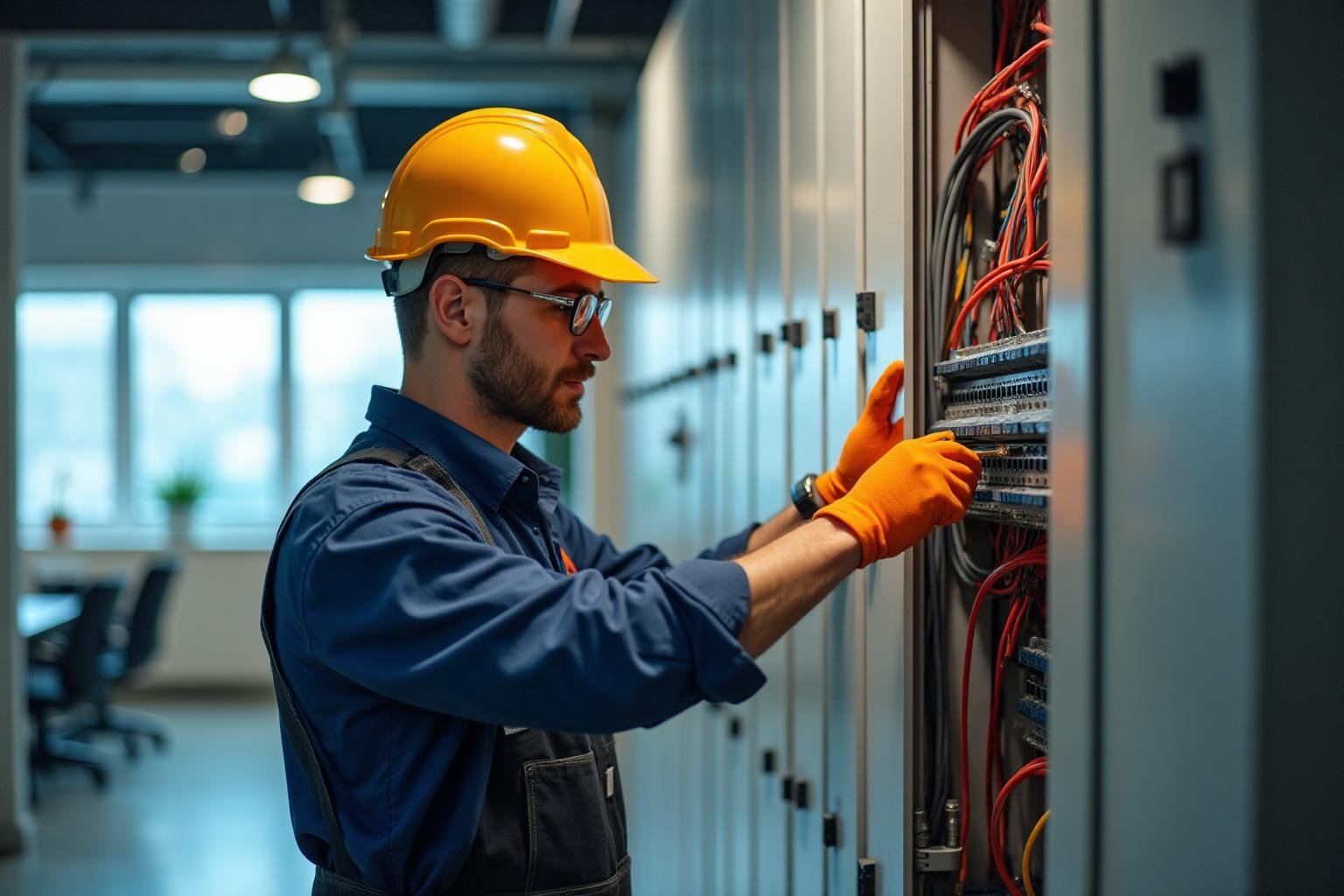
Why Choose RJ & Son Electric for Your Electrical Panel Safety Upgrade in Suffolk County?
RJ & Son Electric is a local, licensed, and insured Master Electrician team that specializes in residential panel upgrades with a strong focus on electrical panel safety. We provide transparent pricing, clean installations, and full permit and inspection management. Our experience with Suffolk County workflows and local wiring conditions helps avoid delays. Our process includes upfront diagnostics, documented load calculations, clear labeling, and homeowner education. For licensed workmanship and local know-how, request an inspection or quote.
What Are the Benefits of Professional Workmanship and Clean Installation for Safety?
Professional workmanship reduces callbacks, raises safety margins, and makes future maintenance simpler through clear labeling and tidy wiring. A neat installation preserves panel accessibility, allows for future breaker additions, and eases grounding and bonding testing. Longevity improves when electricians follow torque specs and use correct materials. Ask for before-and-after photos, test results, and a written scope of work to confirm code compliance and improved electrical panel safety.
Ready to act? RJ & Son Electric can perform a site evaluation and manage Suffolk County permits. To get started, request an inspection or quote, and mention your interest in a panel upgrade or a safety inspection.
Frequently Asked Questions About Electrical Panel Safety
What should I consider before upgrading my electrical panel for safety?
Think about current and planned electrical needs (EV charger, HVAC, kitchen remodel). Check your panel’s age, condition, and whether AFCI/GFCI protection is present. Local codes may affect requirements. A licensed electrician can recommend the correct service size and any necessary wiring or grounding work to keep your home safe.
How long does an electrical panel upgrade typically take?
A straightforward panel swap usually takes 4–12 hours. Jobs that include meter work, rewiring, or additional permits can take longer. Permit review may add 1–10 business days. Your electrician should provide a clear timeline and minimize downtime while following safety protocols.
Are there any safety risks associated with an outdated electrical panel?
Yes. Outdated panels increase the risk of electrical fires, shocks, and equipment failure. They often lack AFCI/GFCI protection and may be unable to handle modern loads, which leads to frequent trips or overheating. Regular inspections and timely upgrades are important to reduce these risks and protect electrical panel safety.
What types of permits are required for an electrical panel upgrade?
Most panel upgrades require an electrical permit, and sometimes a building permit depending on the work scope and local rules. Work with a licensed electrician familiar with local requirements — they will handle permit applications, answer questions, and schedule inspections to ensure code compliance and safety.
Can I perform an electrical panel upgrade myself?
Panel upgrades are complex and should be completed by a licensed electrician. They require detailed code knowledge, safe de-energizing procedures, and coordination with the utility and inspectors. DIY work creates serious hazards, can compromise electrical panel safety, and may void insurance or fail inspection.
What financing options are available for electrical panel upgrades to enhance safety?
Common options include home improvement loans, personal lines of credit, and contractor payment plans. Some contractors partner with financing platforms. Tax credits or utility incentives may apply to electrification projects in some areas. Ask your electrician about local programs and payment options that fit your budget while keeping safety the top priority.