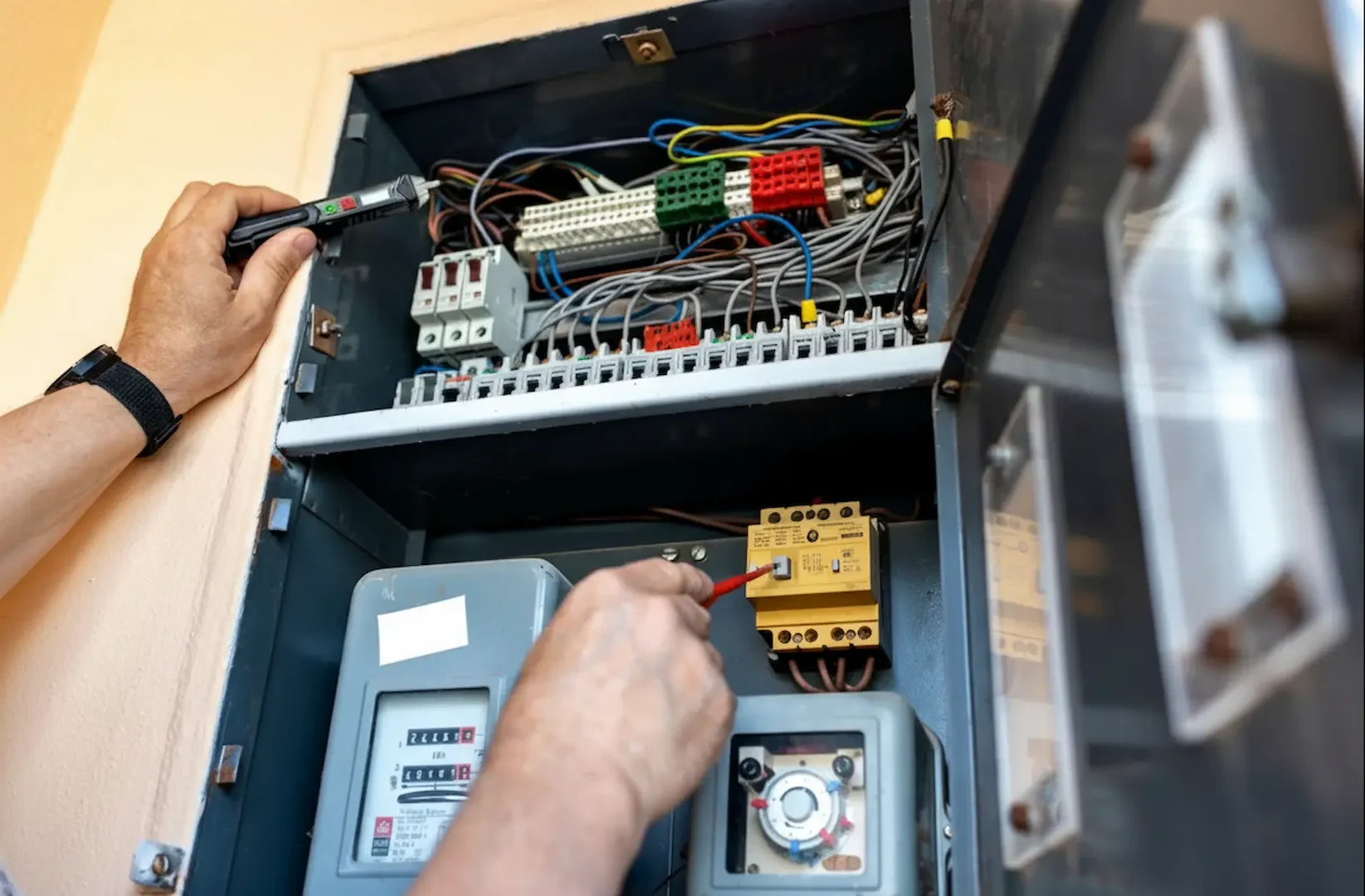
Electrical hazards need quick, professional attention. This page explains how our licensed electricians provide round‑the‑clock service to diagnose and repair life‑safety issues and outages. Read on to learn the most common emergencies in Suffolk County, the warning signs to watch for, and safe steps you can take while help is on the way. We cover burning smells, flickering lights, repeated breaker trips, and power loss, plus preventive work like panel upgrades and transfer‑switch preparation to lower future risk. For immediate assistance, call (631) 833-7663 or request service through our contact page. Below, symptoms are matched to likely causes so you’ll know when to call a licensed emergency electrician for fast, code‑compliant service.
Common Electrical Service Needs and Emergencies in Suffolk County
Electrical emergencies in Suffolk County — such as overheating, arcing, sudden power loss, and exposed wiring — require immediate attention to reduce safety risks and service interruptions. These troubles often come from overloaded circuits, aging wiring, storm damage, or failing equipment and need prompt diagnosis to prevent fires or shock. Catching issues early cuts risk and downtime. Use the quick list below to help homeowners and property managers triage problems before a technician arrives for residential electrical service:
- Burning smell from outlets or devices: A sharp, acrid odor often signals overheating, arcing, or failing insulation. Stop using the device and call an electrician right away.
- Repeated circuit breaker trips: Persistent trips can mean overloads, short circuits, or a failing breaker — any of which can hide a fire hazard and require immediate attention.
- Flickering or dimming lights: Intermittent lighting may come from a loose connection, voltage swings, or deteriorating wiring that can lead to arcing; have a professional inspect it.
- Complete or intermittent power loss: Power loss can point to a panel fault, service‑drop damage, or localized wiring failure that needs professional testing and repair.
- Sparks or visible arcing: Active sparking is a serious fire and shock risk. Leave the area and call for emergency help immediately.
These warning signs help you act safely and give clear information that speeds diagnosis and service when the emergency electrician arrives.
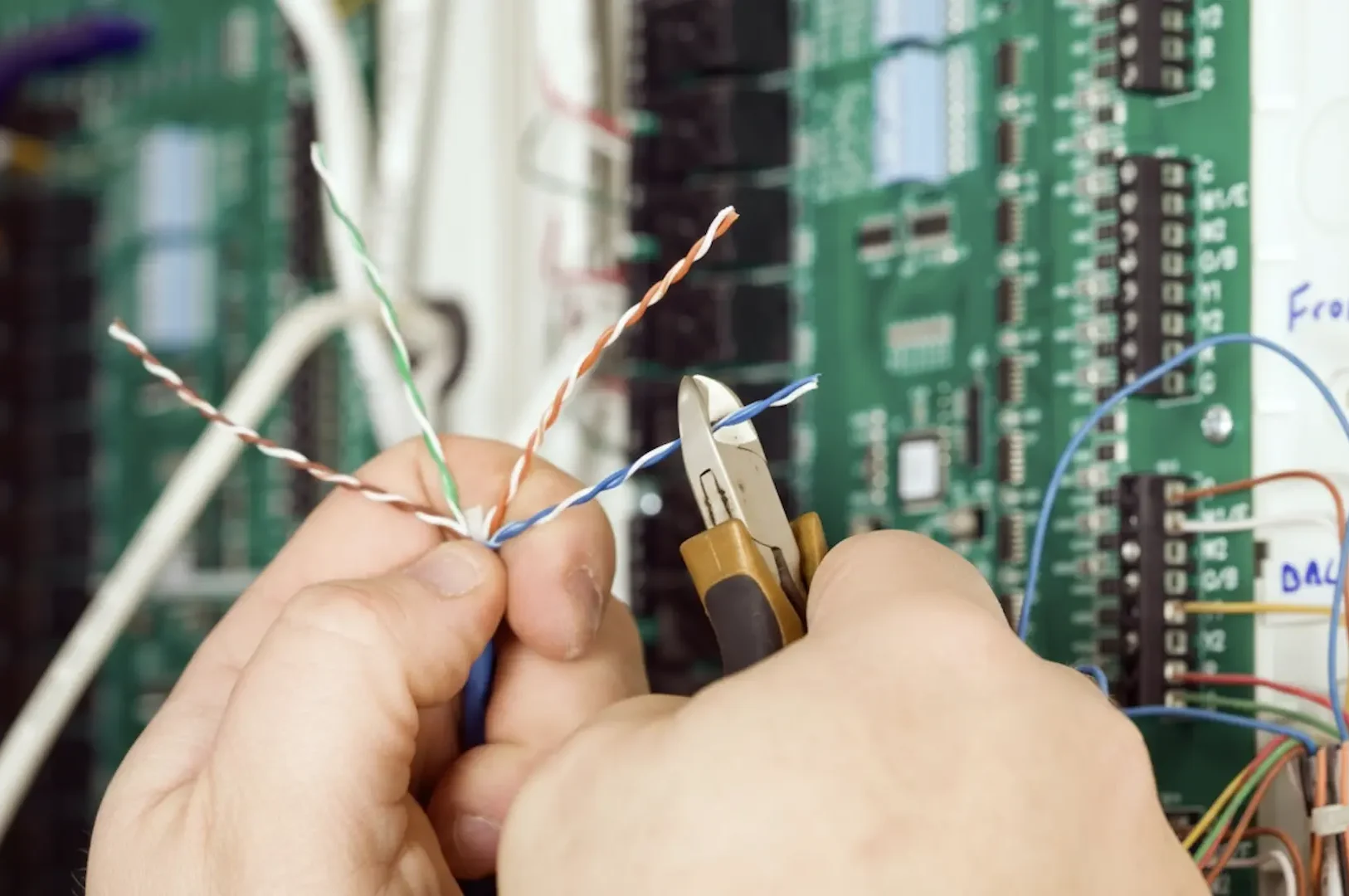
Recognizing Burning Smells and Flickering Lights: Urgent Electrical Service Signs
A burning electrical smell is sharp and chemical — often like hot plastic — and usually comes from an outlet, switch, or appliance. Flicker in a single fixture often means a bad bulb or socket; when many fixtures flicker, suspect a voltage or service‑connection issue. If burning smells or flickering come with a warm outlet faceplate, discolored covers, or a buzzing sound, turn off the circuit if it’s safe to do so and call for emergency service. Noting these details helps our technicians arrive prepared to stop further damage and fix the problem safely.
How RJ & Son Electric Handles 24/7 Emergency Electrical Service
RJ & Son Electric provides around‑the‑clock emergency electrical service across Suffolk County through a fast triage‑and‑dispatch process. Our licensed Master Electricians carry diagnostic tools, common parts, and full insurance. When you call, we gather key details, dispatch a qualified technician with an ETA, and stage likely parts so the first visit resolves the issue quickly and safely.
- 24/7 Availability: Rapid intake, triage, and dispatch any time of day or night.
- Licensed Master Electricians: Work performed to code with inspection‑ready standards on every job.
- Insured & Safety‑Focused: Thorough safety checks and clear documentation on every visit.
For the fastest response, be prepared to describe symptoms, the areas affected, and whether you’ve shut off power when you call.
Emergency Electrical Service Response Process: From Call to Resolution
We begin with a short intake to confirm life‑safety issues, power status, and access. The dispatched technician arrives with diagnostic gear and common replacement parts, performs a safety assessment, isolates the fault, and recommends either a temporary safe repair or a full, code‑compliant fix. We test circuits, complete repairs when possible, and leave a concise report with next‑step recommendations to minimize downtime.
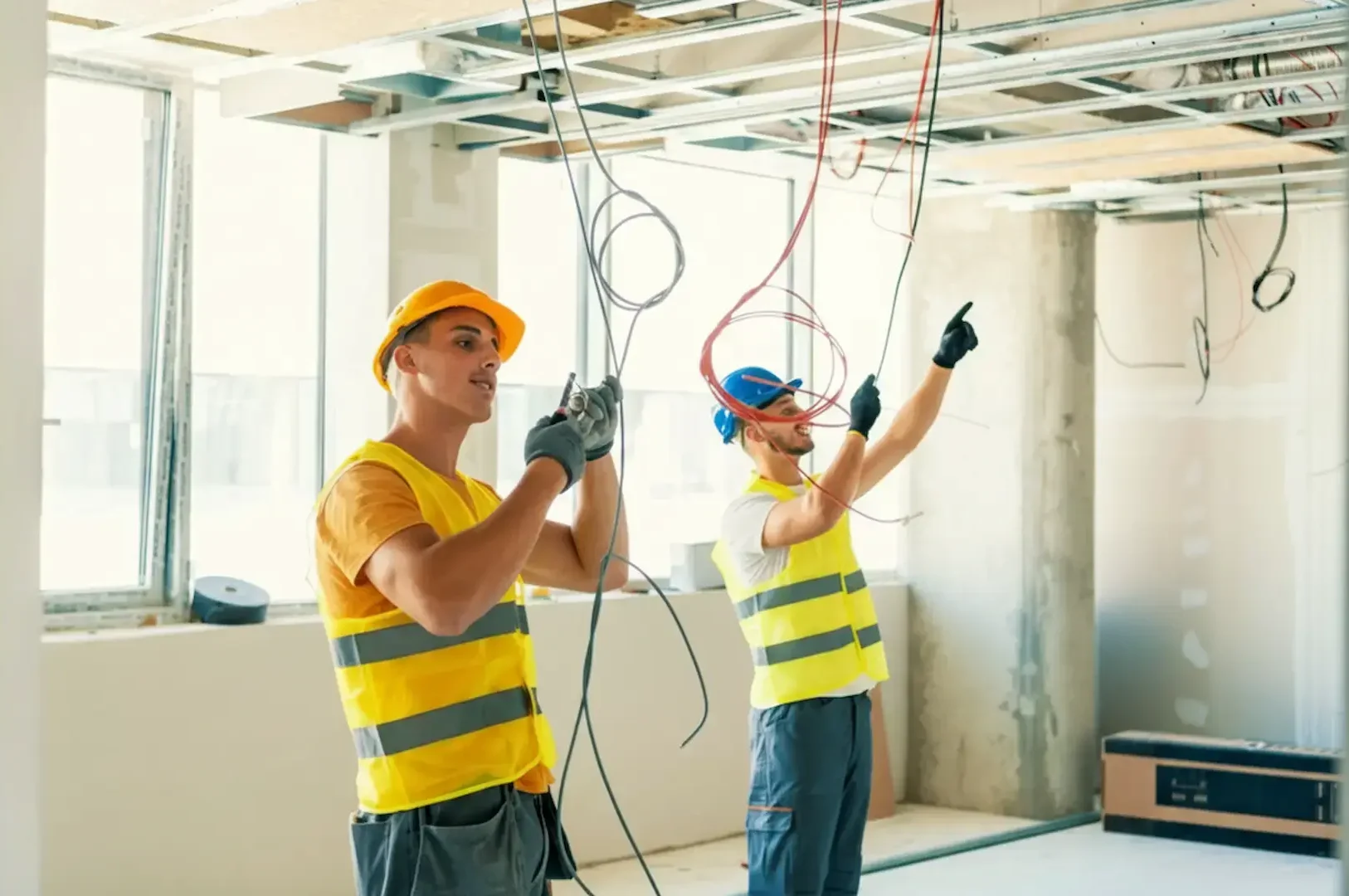
Why Choose a Licensed Master Electrician for Urgent Electrical Services?
Calling a licensed Master Electrician means experienced, code‑aware technicians who protect you legally and technically. Licensing ensures familiarity with current codes so work passes inspection and avoids costly rework. Our insured Master Electricians look for root causes, not quick band-aids, reducing repeat failures — especially after storms or recurring breaker trips — and delivering longer‑lasting results.
Emergency Electrical Services in Suffolk County
RJ & Son Electric handles a full range of emergency electrical services across Suffolk County — from diagnosing repeated breaker trips and repairing outlets to larger panel and wiring work. We serve homes (GFCI repairs, residential wiring fixes) and businesses (distribution troubleshooting, emergency lighting, transfer‑switch support). Life‑safety comes first: our techs secure the scene and perform safe, code‑compliant work. The table below matches common emergency scenarios to likely causes and immediate service steps.
| Problem Type | Likely Cause | Immediate Service Scope |
|---|---|---|
| Tripped breaker repeats | Overload, short circuit, or failing breaker | Isolate the circuit, test the load, replace the breaker or remove the faulty device |
| Burning outlet or smoke | Overheated connection or insulation failure | Cut power, replace the receptacle, repair wiring, and remove the heat source |
| Flickering lights | Loose connection or voltage drop | Tighten connections, test bus voltage, and repair the fixture or conductor |
| Complete power loss | Service drop damage, main breaker fault, or panel failure | Inspect the service, replace failed components, and coordinate with the utility |
After stabilizing the situation, our licensed electrician will recommend permanent repairs or upgrades to help prevent the issue from recurring.
Diagnosing and Fixing Tripped Breakers & Power Outages: Expert Electrical Service
We trace tripped breakers and outages by isolating affected circuits to find load faults, grounding issues, or shorts. Our technicians use systematic tests — load simulation, insulation resistance checks, and thermal imaging — to pinpoint failing breakers, overloaded circuits, or damaged wiring. Immediate actions can include replacing breakers, redistributing loads, repairing conductors, or applying temporary safety measures. For older equipment or repeated failures, we often recommend panel replacement or reconfiguration to improve reliability and reduce future emergency calls.
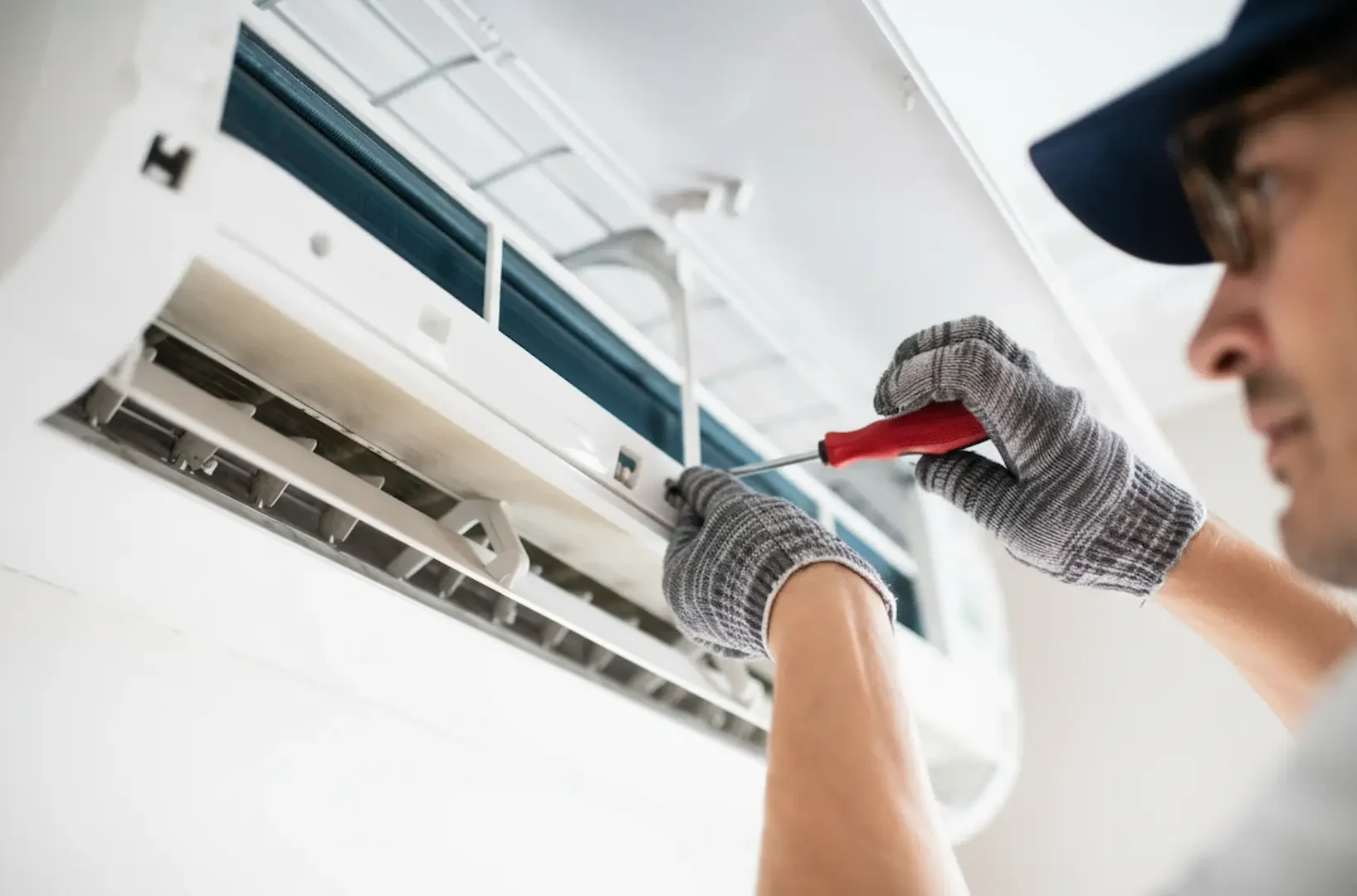
Commercial Electrical Services for Businesses
For businesses we focus on keeping operations running: emergency lighting, critical feeds, kitchen equipment, and distribution panels are top priorities. We deploy rapid‑response protocols and coordinate with facility managers for transfer‑switch work, temporary power setups, emergency rephasing, and quick component swaps to reduce revenue loss and safety risk. Service agreements and priority response options deliver faster SLAs and compliance‑driven follow‑up to minimize downtime for commercial clients.
Preventing Electrical Emergencies: Panel Upgrades and Maintenance for Lasting Service
Preventing emergencies starts with planned upgrades, routine maintenance, and matching backup power to your needs. Panels age and can become undersized as homes and businesses add high‑demand devices. Scheduled inspections find overloaded circuits, corrosion, and unsafe wiring — fixes that stop many emergency calls before they start. Regular tasks like tightening connections, cleaning panels, and testing breakers reduce nuisance trips and reveal components near failure, helping prevent future service emergencies.
| Upgrade Option | Key Attribute | Primary Benefit |
|---|---|---|
| Main panel replacement | Modern breaker types and updated bus | Reduces fire risk and supports higher loads |
| Subpanel addition | Dedicated circuits for high‑demand devices | Prevents overloads and isolates critical systems |
| Breaker‑to‑code replacement | New GFCI/AFCI breakers | Improves shock and arc‑fault protection |
| Automatic transfer switch install | Seamless backup power switching | Minimizes downtime during outages |
Choosing the right upgrade reduces emergency frequency and makes your electrical system safer while supporting growth — for example, adding EV charging — and lowers future service needs.
Why Panel Upgrades Matter for Safety and Reliability in Electrical Service
Panel upgrades matter because many older panels lack modern protections and the capacity for today’s loads (EV chargers, upgraded HVAC). New panels offer better circuit protection, stronger connections, and clearer labeling, which reduces heat buildup and arcing that can lead to fires. Upgrades stabilize distribution, cut nuisance trips, and allow AFCIs/GFCIs to be added for extra protection — lowering long‑term emergency risk and repair costs.
How Generator Transfer Switch Installation Helps Emergency Preparedness and Electrical Service
A properly installed generator transfer switch keeps backup power isolated from utility lines, preventing dangerous backfeed and sending power to essential circuits during an outage. Automatic transfer switches sense grid loss and bring generator power online quickly so refrigeration, security, and other critical systems stay up. Correct installation requires matching generator capacity, prioritizing loads, and obtaining the proper permits for code‑compliant integration — all part of a resilient power plan that reduces reliance on emergency services during widespread outages.
What to Do During an Electrical Emergency: Your Guide to Electrical Service in Suffolk County
In an electrical emergency, put safety first: isolate power if it’s safe, and avoid anything that raises shock or fire risk. Follow the steps below for residents and staff to keep everyone safe while waiting for professional service.
- Shut off power: Turn off the hazardous circuit at the panel if you can do so safely; avoid touching equipment in wet conditions.
- Evacuate and call emergency services: If there’s fire or someone is shocked, get people out of danger and call 911.
- Do not touch: Stay away from burned or sparking equipment; don’t try to repair it yourself.
- Call a licensed emergency electrician: Provide clear details about symptoms, location, and access to speed response.

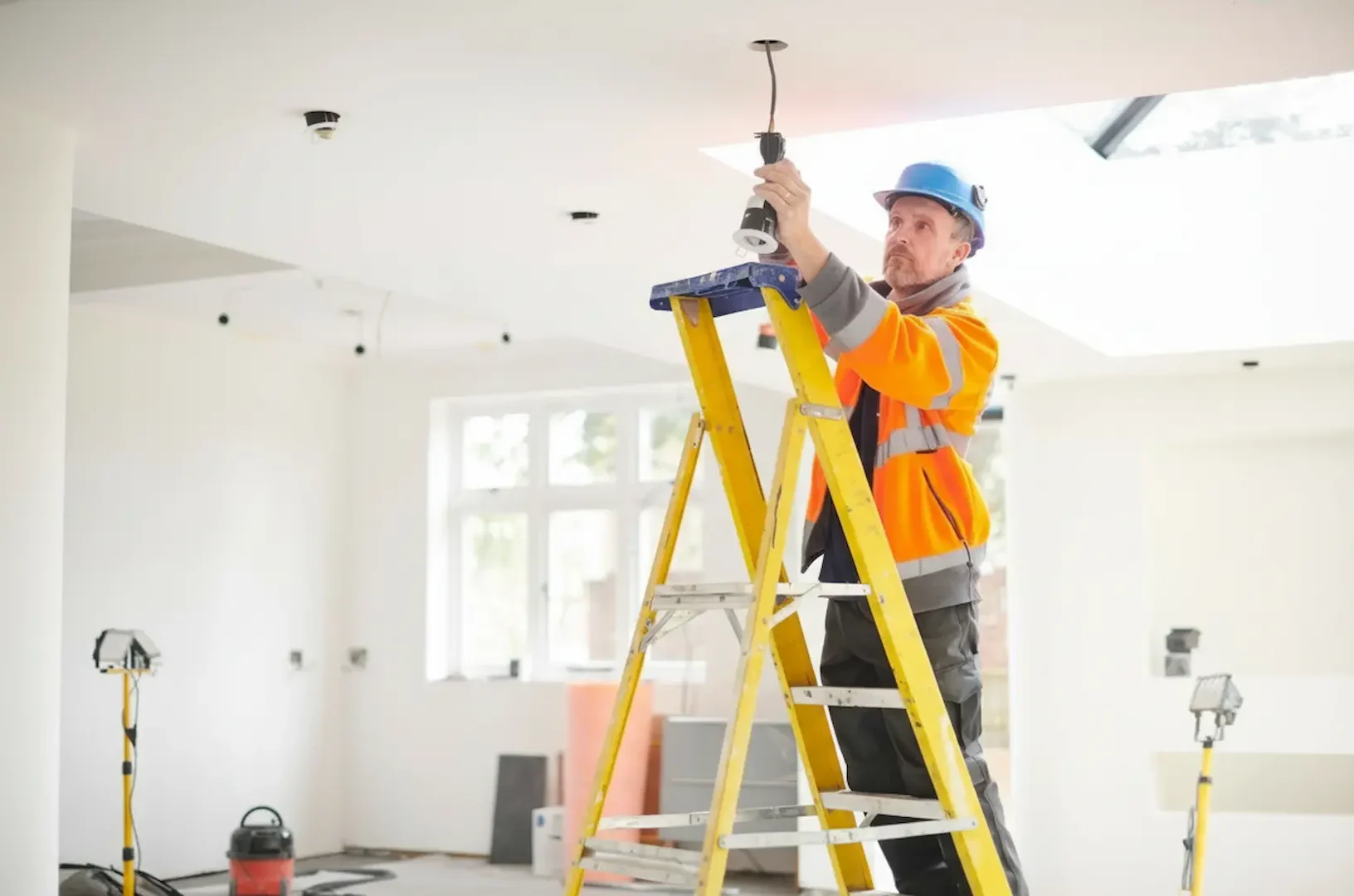
Immediate Safety Steps for Homeowners
First, get everyone out of the danger zone. If you’re trained and it’s safe, shut off the main or the specific circuit to stop arcing. Never use water on an electrical fire — call 911 and keep a safe distance. Don’t attempt DIY electrical repairs; that can make damage worse and may affect insurance. After everyone is safe, be ready to tell the electrician about running appliances or prior signs like buzzing or warmth — that information helps with diagnosis.
When and How to Contact RJ & Son Electric for Urgent Electrical Service Help
For urgent help, call our primary contact number for immediate dispatch. Explain the problem, which circuits or areas are affected, and any life‑safety concerns. RJ & Son Electric offers 24/7 emergency intake. If there is fire or injury, call emergency services first. Our dispatcher will confirm details and provide an estimated arrival window.
If possible, have this information ready when you call:
- Clear description of symptoms and visible signs to assist with triage
- Which outlets, rooms, or equipment are affected
- Whether you shut off power or used any temporary measures
- Any special access instructions for the technician
Where RJ & Son Electric Provides Emergency Electrical Service in Suffolk County
RJ & Son Electric responds across Suffolk County. Our local knowledge, familiarity with regional infrastructure, and supplier relationships help shorten ETAs and speed parts sourcing. The table below shows representative towns, common emergency calls, and response considerations so you know what to expect from our service.
| Town | Typical Emergency Electrical Service Needs | Estimated Response Consideration |
|---|---|---|
| Smithtown | Repeated breaker trips, storm‑damaged service | Suburban access with moderate ETA; same‑day parts usually available |
| Stony Brook | Flickering lights, outlet overheating | Older homes often need panel attention; inspections may be required |
| Huntington | Power loss and transfer‑switch failures | Closer to suppliers — often faster turnaround |
| Riverhead | Service‑drop damage after storms | Rural runs may require utility coordination for full restoration |
Which Towns and Communities Are Covered for Electrical Service?
We cover a wide range of Suffolk County towns. Response times depend on distance, time of day, and call severity. Densely populated areas generally see shorter ETAs. Please give precise location details when you call so we can dispatch the closest qualified team.
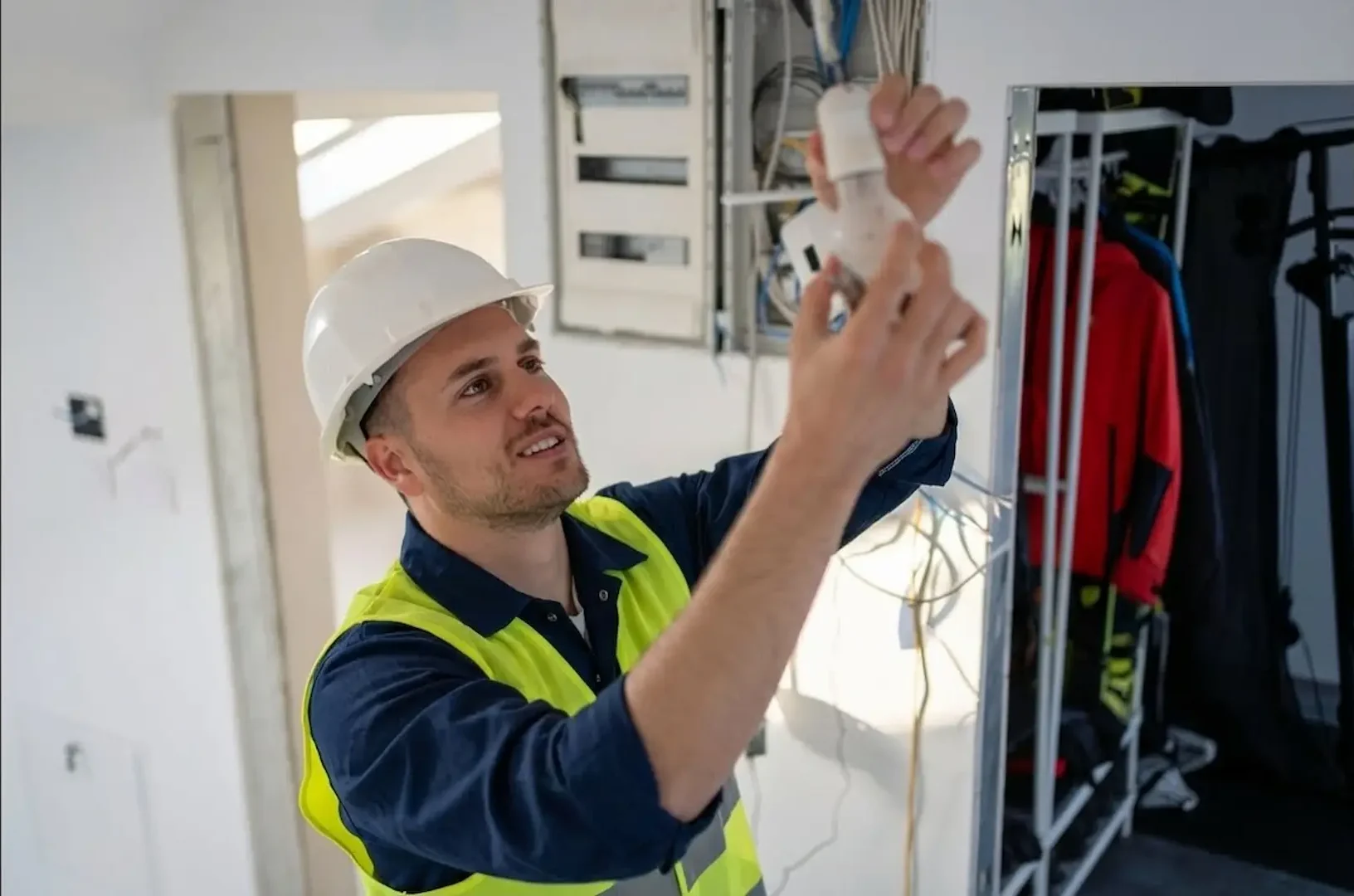
How Local Expertise Improves Emergency Electrical Service
Local electricians bring knowledge of regional building types, common aging issues, and established relationships with suppliers and inspectors. That experience leads to faster, more accurate diagnoses and code‑compliant work with fewer return visits. During storms our crews triage to prioritize critical circuits and vulnerable customers. Hiring a local, licensed electrician speeds resolution and improves long‑term reliability.
| Town | Typical Emergency Electrical Service Needs | Estimated Response Consideration |
|---|---|---|
| Patchogue | Outlet smoke, overloaded panels | Urban access with parts often available same day |
| Bay Shore | Generator transfer‑switch issues | Coastal weather increases transfer‑switch demand and preparedness |
| Islip | Flicker and voltage issues often pointing to panel upgrades | Mixed housing stock; diagnostics frequently point to panel work |
- Check for immediate danger: Evacuate and call emergency services if there’s fire or shock.
- Describe symptoms clearly: Accurate details speed triage and parts staging.
- Prioritize licensed, insured technicians: That protects safety and ensures inspection compliance for all electrical work.
Frequently Asked Questions About Electrical Service
What should I do if I experience a power outage?
First, check whether neighbors are affected. If the outage is only at your home, carefully check and reset any tripped breakers. If power doesn’t return or you see smoke or sparks, avoid open flames and exposed wiring and call a licensed electrician — and call 911 if there’s fire or injury.
How can I prepare for potential electrical emergencies?
Keep your panel up to date and schedule regular inspections. Install surge protection and keep your electrician’s contact handy. A generator with a transfer switch provides reliable backup during outages and reduces emergency service risk.
What are the risks of ignoring electrical issues?
Ignoring electrical problems increases the risk of fires, shock, and costly property damage. Signs like flickering lights or frequent breaker trips usually point to deeper faults that worsen over time. Address issues promptly with a licensed electrician to avoid greater expense and danger.
How often should I have my electrical system inspected?
We recommend an inspection every 3 to 5 years, or sooner if you notice flicker, frequent trips, or burning smells. Older homes and properties with outdated wiring may need checks more often. Inspections after storms or renovations also help catch service needs early.
What are the benefits of upgrading my electrical panel?
Upgrading your panel improves safety, increases capacity for modern appliances, and boosts reliability. Newer panels deliver better circuit protection, lower fire risk, and support high‑demand devices. A panel upgrade reduces emergency calls and future repair costs.
Can I perform electrical services myself?
Simple tasks like changing a light bulb are fine, but most electrical work should be handled by licensed professionals. DIY electrical work can create shock or fire hazards, violate codes, and affect insurance. Always call a licensed electrician for anything beyond basic maintenance to ensure safety and compliance.
What should I do if I smell burning from an outlet?
If you smell burning from an outlet, stop using devices plugged into it and, if safe, turn off the circuit. Do not touch the outlet or devices. Evacuate and call emergency services if you see smoke or flames, then contact a licensed electrician immediately for this urgent issue.