A panel replacement is one of the most effective safety and capacity upgrades a homeowner can make. This guide helps Suffolk County residents recognize common warning signs and decide when a residential panel replacement — whether a breaker‑box swap or a full 200‑amp service upgrade — is the right choice. Practical, straightforward advice to keep your home and family safe.
How to Spot Symptoms That Point to a Panel Replacement
Noticing problems early lets you fix them before they become dangerous. Watch for these common warning signs:
- Frequent circuit breaker trips: Breakers that trip repeatedly across multiple circuits usually mean the panel’s capacity or internal parts are struggling — not simply one heavy appliance.
- Flickering or dimming lights: Lights that dip when other appliances start can indicate voltage drops from overloaded circuits, a loose neutral, or a worn panel.
- Buzzing sounds or burning smells: Any buzzing or electrical odor often points to loose connections or arcing — a hazard that needs immediate attention.
- Warm or hot panel surface: A panel that feels warm to the touch can signal overloads, poor ventilation, or failing components — and raises the risk of fire.
- Visible damage or outdated hardware: Corrosion, rust, or an old fuse box are clear signs it’s time to modernize the panel.
If you notice any of these issues, book a professional inspection right away.
Call RJ & Son Electric to schedule an inspection: (631) 833-7663 or email .
Why Do Repeated Breaker Trips Mean You May Need a Panel Replacement?
When breakers keep tripping on different circuits, it’s a sign the panel may be overloaded or that internal components are failing. A single trip can happen, but recurring or widespread trips suggest limited service capacity, worn breakers, or loose connections. Those conditions increase safety risks and indicate the system may not meet modern electrical demands.
If trips continue after unplugging appliances, schedule a professional load analysis. A licensed electrician can determine whether you need a breaker replacement, better load balancing, or a full 200‑amp panel replacement to stabilize power and bring your system up to code. Taking action early prevents further damage and keeps your home safer.
How Do Flickering or Dimming Lights Reveal Panel Problems?
Flickering or dimming lights often point to voltage fluctuations caused by sudden load changes, a loose neutral, or overloaded circuits. If lights dip when appliances start — or the whole house dims — your main connections may be strained. Note which circuits are affected and arrange a professional inspection for connection testing and a load calculation. Persistent, system‑wide voltage drops frequently mean a panel replacement is needed to restore stable, reliable power.
What Safety Hazards Come from an Outdated Electrical Panel?
Older panels can lack modern safety features and may have worn parts that raise the chance of failure. Heat buildup, arcing, and limited capacity can cause fires, shocks, or damage to appliances. Understanding these hazards helps homeowners prioritize inspections and panel replacements so their homes meet current codes and reduce the likelihood of an electrical emergency.
Hazards & Consequences of Neglect: Electrical systems need periodic attention. This short overview highlights common residential electrical risks and explains how routine maintenance and timely panel replacements protect your family and property.
- Electrical fire risk: Loose bus connections or aged breakers can overheat and ignite nearby materials.
- Electric shock: Deteriorated insulation, exposed conductors, or improper grounding increase shock risk.
- Appliance damage: Voltage instability and repeated trips shorten appliance life and can cause failures.
- Lack of modern protection: Older panels may not accept required AFCI/GFCI devices for bedrooms, kitchens, and outdoor circuits, leaving you without arc‑fault and ground‑fault protection.
If you spot any of these hazards, take immediate safety steps: stop using suspect circuits, keep flammable items away from the panel, and call a licensed electrician to evaluate and prioritize repairs or panel replacements that reduce risk for your household.
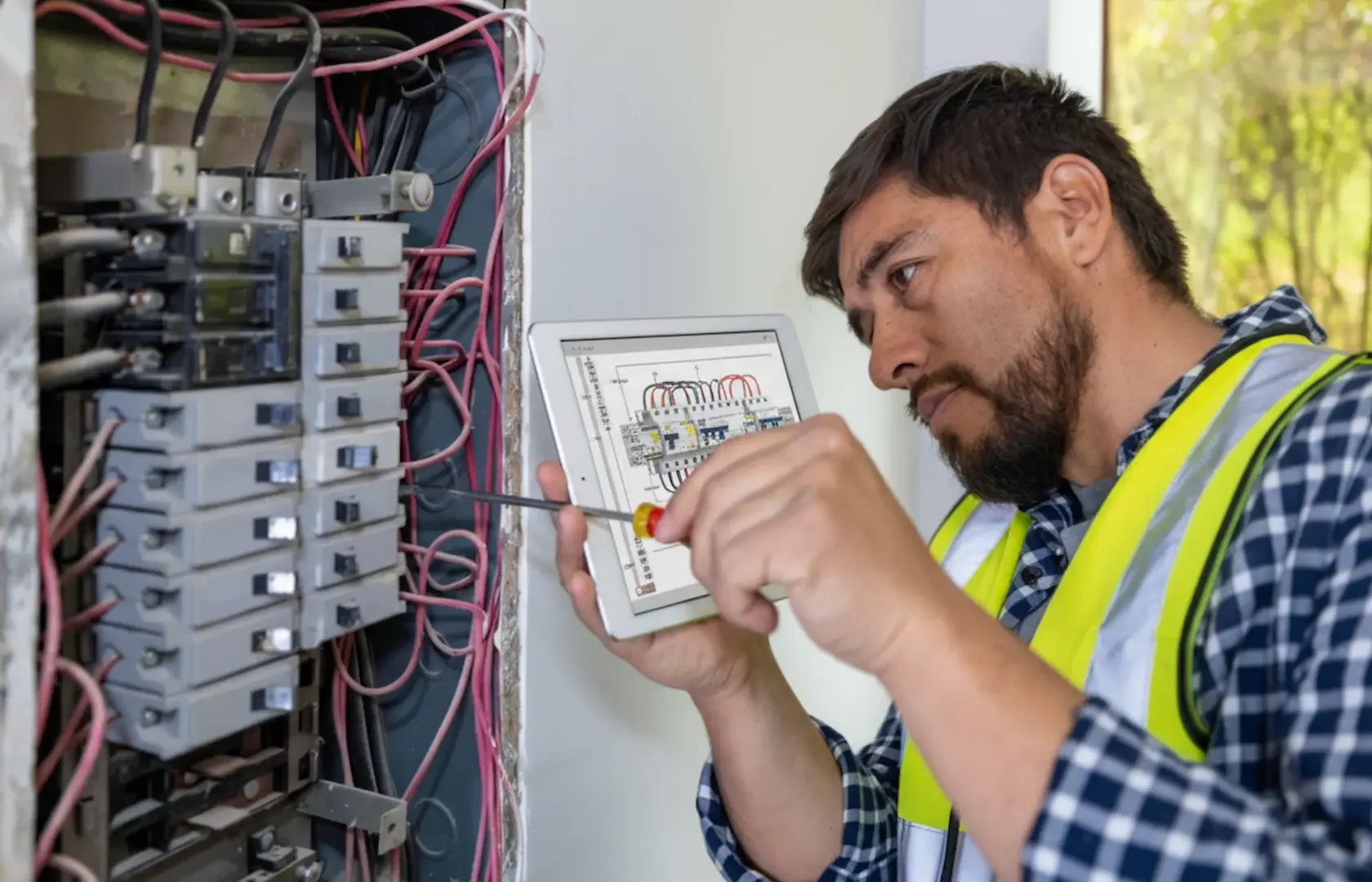
When Is It Time to Replace a Fuse Box or Low‑Amperage Panel?
Replace a fuse box or low‑amperage panel when it can’t handle today’s loads, won’t accept modern safety devices, or shows physical deterioration. Older 60‑amp services and fuse panels were common decades ago but usually can’t support modern kitchens, central HVAC, or EV charging. Switching to a modern breaker panel improves safety (AFCI/GFCI compatibility), makes resets simple, and frees space for future needs. The decision to replace generally follows a professional load calculation, visible wear, repeated blown fuses, or ongoing voltage problems that show the system can’t meet current demands.
Homeowners should weigh immediate safety repairs against future capacity needs when choosing between a panel swap and a full service increase to 100A or 200A. The table below summarizes common low‑amperage panels and when replacement becomes necessary.
| Panel Type | Max Safe Load (Approx.) | Practical Limitations for Homes |
|---|---|---|
| 60-Amp Panel | ~7,200 watts continuous | Can’t support central HVAC, a modern kitchen, or EV charging at the same time |
| 100-Amp Panel | ~12,000 watts continuous | Works for smaller modern homes but is limited for multiple high‑power appliances |
| Old Fuse Box | Varies (often 30–60A) | No breaker reset convenience and limited AFCI/GFCI compatibility; notable safety concerns |
| 200-Amp Panel | ~24,000 watts continuous | Standard for contemporary homes with EV charging and several high‑load appliances |
Why Are 60‑Amp Panels Often Not Enough Today?
A 60‑amp service has limited continuous capacity and usually can’t handle central air, electric ranges, dryers, and EV chargers running together. A single electric range or a Level 2 EV charger can draw 30–50 amps, quickly using much of a 60‑amp service. While load calculations factor in diversity, most modern homes with central HVAC or full electric kitchens benefit from upgrading to 100A or 200A. A panel replacement reduces nuisance trips, prevents overloads, and prepares the house for future systems like EV chargers or heat pumps.
Upgrading from 60A often requires a service change — including meter work and utility coordination — so plan for a professional assessment and a permit‑based installation to meet code and long‑term needs.
Benefits of Replacing an Old Fuse Box with a Modern Breaker Panel
Replacing an old fuse box with a modern breaker panel delivers clear, practical benefits:
- Enhanced safety: Modern panels accept resettable breakers and AFCI/GFCI protection, reducing fire and shock risk.
- Increased capacity: Newer panels support today’s appliances and future additions like EV charging.
- Improved reliability & convenience: More stable power, easier troubleshooting, and simple resets make daily life smoother.
- Higher home value: Meets current codes, satisfies insurance expectations, and boosts resale appeal.
Pairing a panel replacement with a service amperage increase gives the best long‑term safety and capacity results.
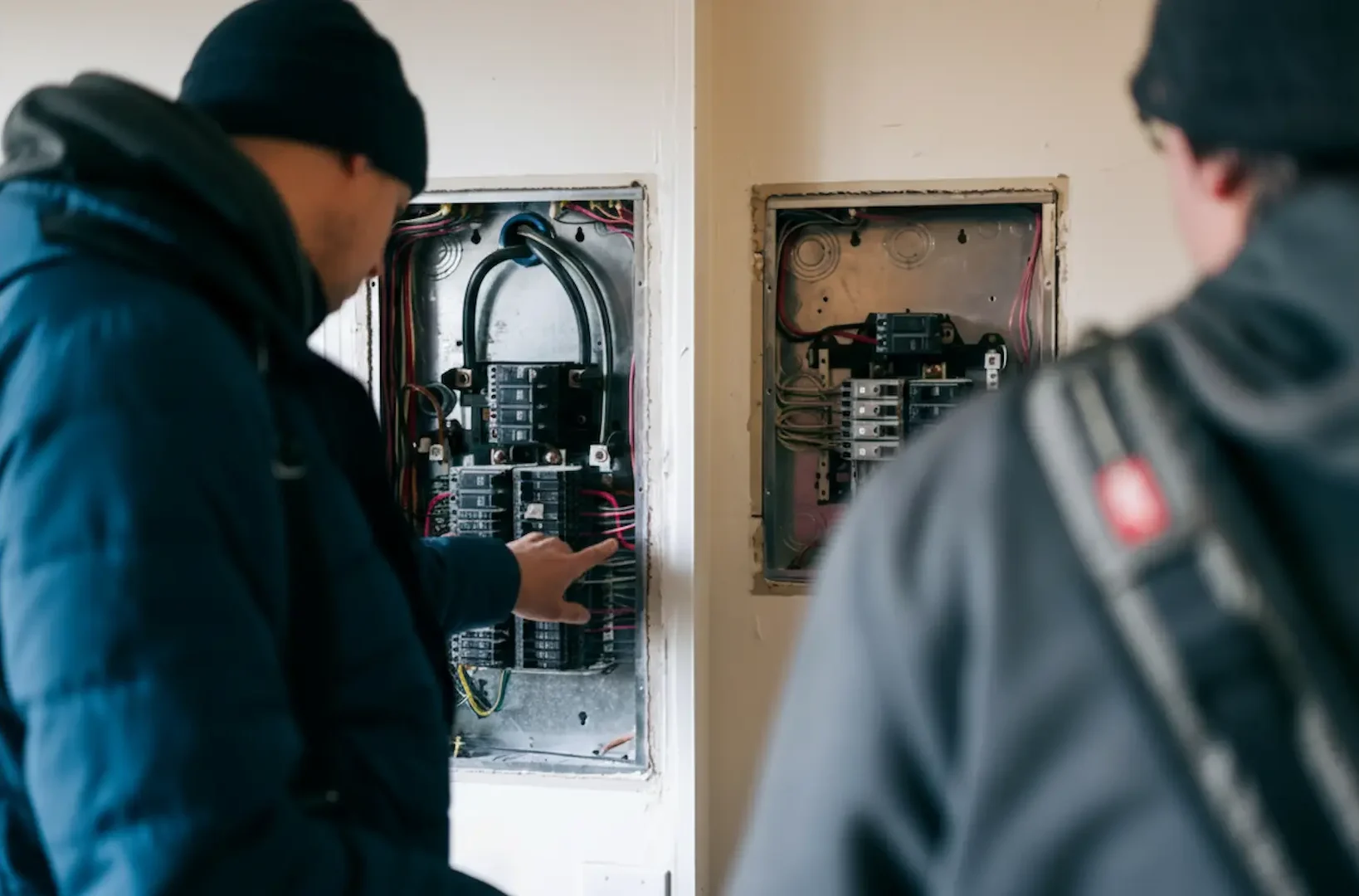
How Growing Electrical Demand Affects the Need for a Panel Replacement
Rising household demand — from EV chargers to induction ranges, heat pumps, and more connected devices — changes your home’s load profile and can push an older service past its limit. A formal load calculation using appliance nameplate ratings, diversity factors, and likely simultaneous use will show whether a dedicated circuit is sufficient or a service increase is required. Homeowners often add dedicated breakers for new appliances, but when overall demand nears service capacity, a 200‑amp panel replacement or service change is usually the safer, longer‑term choice. Understanding how new loads affect capacity helps you decide between adding circuits or upgrading the service.
Beyond big appliances, the steady growth of everyday devices and smart‑home gear also adds measurable load to your panel.
Rising Plug Loads & IoT: Impact on Home Electrical Capacity
Plug loads — the devices you plug into outlets — are taking a larger share of household energy use. As more smart devices and IoT gear enter homes, cumulative plug loads can influence overall electrical demand and planning for panel replacements.Efficient and zero net energy-ready plug loads, A Meier, 2019
The table below matches common new loads to their typical amperage and offers panel replacement suggestions so homeowners can make practical choices.
| New Home Load | Additional Amperage Required | Typical Panel Replacement Recommendation |
|---|---|---|
| EV Level 1 (120V) | 12–16A | Usually fits on an existing panel with a dedicated circuit |
| EV Level 2 (240V) | 30–50A | May need a dedicated breaker; consider a panel replacement if your service is near capacity |
| Induction Range | 30–60A | Dedicated circuit required; often leads homeowners to a 200A service for full‑electric kitchens |
| Heat Pump / Mini-Split | 20–50A | Dedicated circuit; may require a service increase for whole‑home electrification |
How Does Installing an EV Charger Affect Panel Capacity?
Installing an EV charger impacts panel capacity because Level 2 chargers commonly draw 30–40 amps while charging, adding a sustained load. A dedicated 40A breaker can work if your panel and service have headroom, but many older panels lack spare spaces or sufficient main capacity. In those cases, a 200‑amp panel replacement or service change is the better long‑term solution. A professional load study will review your charging habits, other high‑demand appliances, and overall usage to recommend whether a dedicated breaker is enough or a service upgrade is needed. Proper permitting and correct breaker sizing keep the installation safe and code‑compliant.
Growing EV charging demand is an important factor when evaluating panel capacity.
EV Charger Power & Battery Capacity Impact on Home Electrical Panels
The EV market is evolving fast. Larger batteries and faster chargers change home charging loads and affect distribution networks.
Electric vehicles: Battery capacity, charger power, access to charging and the impacts on distribution networks, J Dixon, 2020
RJ & Son Electric offers EV charger and panel capacity assessments to recommend the best approach for your home. To schedule an on‑site evaluation and a tailored installation plan, call (631) 833-7663 or email .
Why Do High‑Power Appliances Often Mean You Need a Panel Upgrade?
High‑power appliances like electric ranges, dryers, heat pumps, and central air draw sustained currents that change your home’s load profile. When several high‑draw devices run at once, their combined load can exceed a panel’s safe continuous rating, causing repeated trips, overheating, and stress on wiring. While diversity rules help with planning, homes adding major electric loads or undergoing renovations should expect potential service increases. A licensed electrician will calculate demand, check conductor and meter capacity, and advise whether a dedicated circuit or a full service increase is the safest choice.
Planning for these appliances in advance reduces the chance of temporary fixes and emergency panel replacements by matching your electrical system to intended use and current code.
What Should You Expect to Pay for a Panel Replacement?
Panel replacement costs depend on amperage (100A vs 200A), labor complexity, permit fees, and any additional wiring or meter work required. Local code and utility coordination in Suffolk County, NY, also affect price and timeline. Knowing these factors helps homeowners budget and compare quotes for this important home improvement.
Below is a practical table showing common panel types with typical cost and time estimates:
| Panel Type | Typical Cost Range (Estimate) | Typical Timeframe |
|---|---|---|
| 100-Amp Panel Replacement | $1,000–$2,500 | 1 day to 2 days |
| 200-Amp Panel Replacement / Service Change | $2,000–$5,000 | 1–3 days (may require utility coordination) |
| Fuse Box to Breaker Conversion | $1,200–$3,500 | 1–2 days |
| Additional Work (rewiring, meter work) | $500–$3,000+ | Varies by scope |
Key factors that affect pricing include:
- Material costs: panel brand and breaker types influence price.
- Labor complexity: panel location, circuit count, and wiring access increase labor time.
- Administrative costs: permits, inspections, and utility coordination vary locally and add to the total.
- Remediation work: replacing degraded wiring, improving grounding, or opening walls increases scope and cost.
An on‑site visit is essential for an accurate estimate because it uncovers hidden issues like old wiring or grounding needs. Always request a line‑item estimate and confirm that permits and inspections are included to avoid surprises and ensure code‑compliant work.
If you’d like a site‑specific quote or want to discuss financing for your home’s panel replacement, contact RJ & Son Electric. We perform on‑site assessments, handle permitting and inspections, and can outline financing or phased‑work options. To request a custom quote or ask about financing, call (631) 833-7663 or email to schedule an in‑person evaluation and detailed estimate.
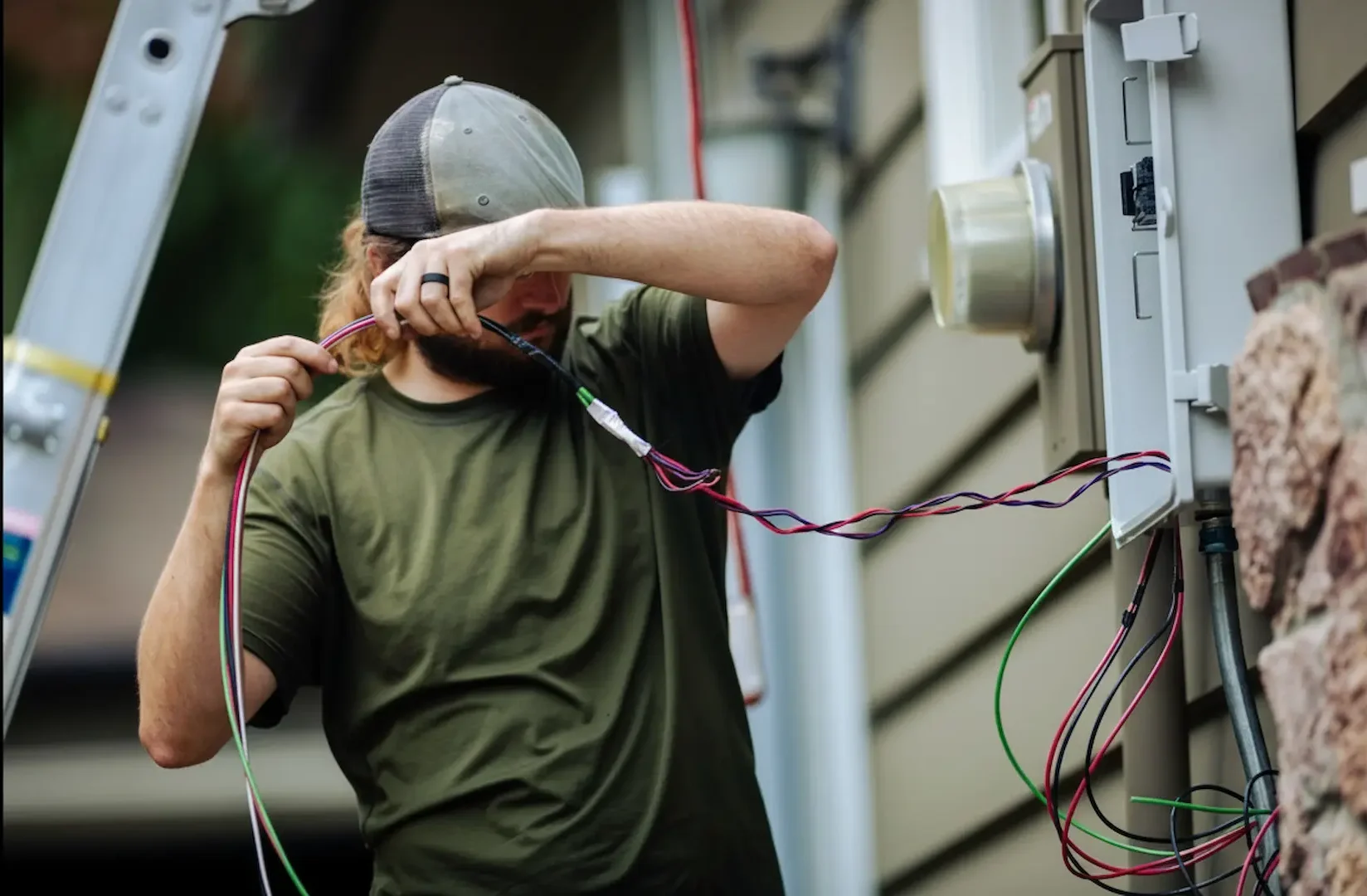
Your Panel Replacement Process with RJ & Son Electric
If you suspect a panel issue or are planning a replacement, contact a licensed electrician right away. RJ & Son Electric serves Suffolk County with professional panel replacements and emergency response. We focus on clear communication, safety, and strict code compliance throughout the job.
Our typical panel replacement process includes:
- Initial consultation & on‑site inspection: We evaluate your existing system and discuss priorities.
- Load calculation: A professional analysis defines your home’s electrical demand.
- Permit & utility coordination: We handle permits and work with utilities for any service changes.
- Professional installation: Licensed Master Electricians complete the panel replacement to code.
- Safety testing: Post‑installation testing confirms safe operation and compliance.
For urgent but non‑life‑threatening issues like frequent trips or flickering lights, schedule a diagnostic inspection. For immediate danger, call emergency services first and then us if it’s safe. Call right away for these red flags:
- Burning smell or visible smoke: Evacuate and contact emergency services if smoke is present.
- Sustained buzzing or arcing sound: Could indicate active arcing or loose connections — dangerous and needs immediate attention.
- Sparks from the panel or outlets: Don’t touch affected devices; call a professional.
- Persistent circuit breaker trips across multiple circuits: Suggests a system‑level overload that needs professional diagnosis.
To schedule an inspection, request a custom quote, or get emergency service, contact RJ & Son Electric at (631) 833-7663 or .
Why DIY Panel Replacement Work Is Dangerous
DIY work on an electrical panel is extremely dangerous. You risk severe shock, electrocution, fire, and creating code violations that may void insurance. DIY panel replacements often fail inspection and can leave hidden hazards. Licensed electricians manage permits, inspections, and utility rules — steps homeowners can’t legally complete alone. Always hire a licensed professional for panel replacements and service changes.
Hiring a licensed electrician also gives you the documentation and accountability lenders, insurers, and future buyers may require — protecting your family’s safety and your property’s value.
Frequently Asked Questions for Homeowners
What should I do if I notice panel problems in my home?
If you see frequent breaker trips, flickering lights, or burning smells, take immediate precautions: turn off and unplug devices on the affected circuits if it’s safe, avoid using suspect circuits, and call a licensed electrician for an inspection. A professional can diagnose the problem and recommend whether a panel replacement or repair is needed to keep your home safe and code‑compliant.
How often should I have my electrical panel inspected?
We recommend a panel inspection every 3 to 5 years, or sooner if you notice warning signs. Regular checks catch issues early and prevent larger problems. If you plan to add major appliances or change your electrical load, schedule an inspection beforehand to confirm your panel can handle it.
How can I prepare for a panel replacement at my home?
Start by listing your current electrical needs and any symptoms you’ve seen. Note high‑demand appliances and how often they run. Then schedule an inspection with a licensed electrician for a load calculation. Clear the area around the panel to provide easy access on the day of the work.