Upgrade your Electrical Panel to make your home safer, handle today’s power needs, and increase resale appeal. Older or undersized service can create hazards and limit what your home can support. This guide explains the benefits of an electrical panel upgrade, common warning signs, typical costs, and how a modern panel prepares your house for EV charging, solar, and smart systems. You’ll also learn which safety features matter and why professional installation is essential.
What Are the Key Benefits When You Upgrade Your Electrical Panel?
When you upgrade your Electrical Panel, worn parts are replaced with modern breakers, capacity is increased, and updated safety devices are installed. That reduces fire and shock risk through AFCI and GFCI protection, provides the amperage needed for high-demand appliances and EV chargers, and improves reliability by cutting down nuisance trips. A new panel also frees up space for extra breaker slots or subpanels, which makes future renovations simpler. In short: fewer outages, safer wiring, and a system that appeals to buyers.
Here are the primary advantages homeowners see after they upgrade their Electrical Panel:
- Improved safety: Modern panels accept AFCI and GFCI breakers, reducing fire and shock hazards. For standards, see the National Electrical Code (NFPA).
- More capacity: Higher-amp service supports EV chargers, heat pumps, and large kitchen appliances—matching modern efficient home design.
- Greater reliability: New breakers and clean connections mean fewer nuisance trips and steadier power.
- Future-ready: Space for additional circuits and compatibility with solar or battery storage.
- Stronger resale & insurance profile: An updated electrical system gives buyers confidence and can improve insurance evaluations.
Planning an upgrade now is usually smarter than waiting for a failure. Next, we’ll explain how a panel upgrade boosts safety.
How Does Upgrading Your Electrical Panel Improve Safety?
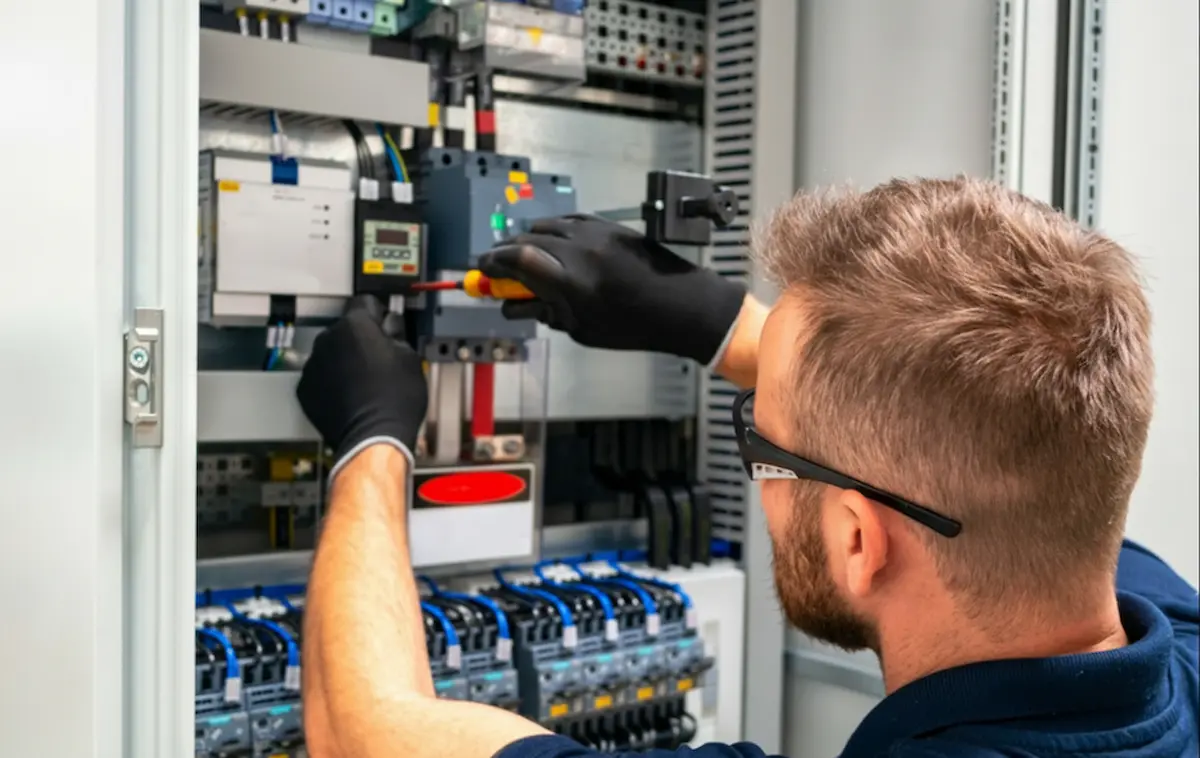
An upgraded panel lets you install modern protective devices and fixes worn connections that can lead to fires or shocks. Arc Fault Circuit Interrupters (AFCIs) spot dangerous arcing—small, repeating sparks—and cut power before a fire can start. Ground Fault Circuit Interrupters (GFCIs) sense current leaking to ground and trip quickly to prevent shocks, especially near water. A proper upgrade also remedies loose or corroded connections at bus bars and the main breaker, reducing heat buildup and thermal damage. For general electrical safety guidance, see the Consumer Product Safety Commission.
A correct safety upgrade includes accurate labeling, proper bonding, and effective grounding so protective devices work as intended. Clear documentation and correctly sized equipment simplify future inspections and electrical repairs. With these improvements, your home is better equipped for higher electrical demand.
How Does an Upgrade Your Electrical Panel Increase Capacity?
Upgrading your Electrical Panel increases capacity by raising service amperage and creating room for dedicated circuits so multiple high-draw appliances can run safely. Amperage sets the maximum current your service can handle—moving from 100A to 200A doubles baseline capacity and lowers overload risk. Common loads that benefit from dedicated circuits include Level 2 EV chargers (30–80A), electric ranges (30–50A), and heat pumps (20–60A).
As more homeowners add EVs and solar, adequate capacity becomes essential. An upgraded panel lets electricians balance loads and add subpanels to spread circuits evenly, preventing chronic trips and voltage sag. For renovations or new equipment, a larger panel avoids unsafe workarounds. Next: signs that it’s time to upgrade your Electrical Panel.
What Are the Signs You Need to Upgrade Your Electrical Panel?
Catching warning signs early lets you act before damage occurs. Common indicators you should upgrade your Electrical Panel include frequent breaker trips, flickering lights, a warm or buzzing panel, scorch marks, or an old fuse-style panel. These symptoms typically point to overloaded circuits, failing breakers, or deteriorated bus bars—conditions that warrant a professional inspection. For more on electrical safety, see the Electrical Safety Foundation International.
Look for visible signs like burn marks, rust, corroded connections, or brittle insulation—clear red flags. Fuse boxes and obsolete breaker types lack modern AFCI/GFCI protection. Missing circuit labels, DIY splices, and poor grounding also indicate you need a licensed evaluation and likely replacement. Avoid DIY fixes; a licensed inspection documents problems and clarifies whether you need a main breaker swap, a service upgrade, or a full panel replacement.
Frequent trips and flickering lights can signal overloaded circuits, loose neutrals, failing breakers, or poor connections. Overloads happen when devices draw more current than a circuit can safely provide; aging breakers may trip below their rated threshold. An electrician will perform load calculations and inspect connections to determine if new circuits, a subpanel, or a full service upgrade are required. A correct diagnosis prevents unnecessary work and addresses the root cause.
If you notice any of these signs, schedule a licensed electrician for an inspection. Early action prevents damage and clarifies whether you need a service upgrade or a full panel replacement.
- Frequent breaker trips: Often a sign of overloaded circuits or breakers that no longer operate reliably.
- Flickering or dimming lights: Could indicate loose neutrals, shared circuits, or insufficient service capacity.
- Warm or buzzing panel, scorch marks: Points to loose connections or arcing—call a pro immediately.
- Fuse boxes or very old equipment (>30 years): Older gear lacks modern protection and usually can’t handle today’s loads.
- Missing labels or DIY wiring: Unlabeled circuits and amateur work create safety and maintenance problems.


How Much Does It Cost to Upgrade Your Electrical Panel?
Understanding the main cost drivers helps you budget and compare quotes when you choose to upgrade your Electrical Panel. Price depends on service amperage, permit needs, meter or service mast work, labor complexity, and materials. Typical ranges vary by amperage and whether the meter or service entrance must be replaced; grounding upgrades, subpanels, and rewiring will raise labor costs. Below are the primary cost components to consider.
Major cost drivers include permits and inspections, meter or service-entrance upgrades, panel and breaker brand and type (manufacturers like Square D, Siemens, or Eaton), labor for access and rewiring, and any code-related corrective work.
- Permits & inspections: Local fees and required inspections add to cost and schedule.
- Service/meter work: Replacing a service mast or meter base often needs utility coordination and extra fees.
- Labor & access: Tight spaces, long conductor runs, or attic work increase labor hours.
- Materials & device upgrades: Higher-capacity panels and AFCI/GFCI breakers raise parts cost.
- Grounding/bonding: Proper grounding adds materials and labor but is essential for safety.
Because these variables matter, we recommend an on-site visit and a written, itemized quote from a licensed electrician. Many homeowners also ask about transparent pricing and financing options.
| Panel Amperage | Typical Cost Components | Typical Price Range |
|---|---|---|
| 100A replacement | Panel & breakers, permit, basic labor | $1,000 – $2,000 |
| 200A upgrade | New panel, main breaker, meter/service work, permits, labor | $1,500 – $3,500 |
| 400A service upgrade | Larger service conductors, meter and mast upgrade, significant labor | $3,500 – $8,000+ |
These ranges reflect common scenarios, but regional differences and additional meter or grounding work can change the final price when you upgrade your Electrical Panel. Homeowners often ask which project details add complexity and cost.
What Factors Influence the Cost to Upgrade Your Electrical Panel?
Several factors add complexity and cost when you upgrade your Electrical Panel: difficult access, the condition of existing wiring, and utility coordination. A panel swap in an accessible basement is straightforward; a new 200A service that requires a new meter base, service mast, or trenching is more involved. Older homes may need rewiring, grounding rod work, or knob-and-tube remediation, which raises expense. Local permit rules and inspection practices also affect schedule and price. An on-site evaluation and a written estimate that lists permit fees, materials, and contingencies are essential for comparing bids.
How Does Upgrading Your Electrical Panel Future-Proof Your Home?
Upgrading your Electrical Panel prepares your home for new technologies by providing room for breakers, higher amperage, and dedicated circuits for devices like EV chargers and battery storage. A future-ready panel reduces disruptive retrofits and, with inverter-ready connections and surge protection, smooths the path for renewable or backup systems. Matching device demands to panel capacity is why many homeowners choose 200A or larger for long-term flexibility. For energy-efficient equipment, see ENERGY STAR resources.
The table below links common technologies to typical power needs and recommended panel capacity, showing why you should plan your upgrade with future needs in mind.
| Technology | Typical Power Demand | Recommended Panel Capacity |
|---|---|---|
| Level 2 EV charger | 30–80 amps (dedicated circuit) | 200A minimum recommended |
| Solar PV + inverter | Varies; inverter connection & backfeed | 200A with space for generation breakers |
| Battery storage (home) | Varies; requires inverter/disconnect | 200A–400A depending on scale |
| Heat pump HVAC | 20–60 amps | 200A recommended for simultaneous loads |
This mapping helps you pick the right service size for planned equipment and avoid costly upsizes later. With capacity needs clear, homeowners often ask why 200A is commonly recommended and how upgrades support solar and storage.
Why Is a 200 Amp Panel Essential When You Upgrade Your Electrical Panel?
200A is commonly recommended because it provides baseline capacity for a dedicated Level 2 EV charger (30–80A) while leaving room for everyday loads and future additions. Homes with multiple high-draw devices benefit from that headroom, which lowers overload risk. Electricians perform load calculations to confirm if 200A is sufficient for your home. Choosing 200A also makes adding subpanels and dedicated circuits easier during phased upgrades like solar or a workshop—an important factor when you upgrade your Electrical Panel.
How Does Upgrading Your Electrical Panel Support Solar Power?
An upgraded panel provides space and code-compliant connection points for inverters, AC disconnects, and generation breakers to handle two-way power flow. A modern panel with reserved slots simplifies solar inverter connections and allows required isolation devices. For battery storage, panels need to accept inverter inputs and meet main-breaker sizing rules; many solar projects begin with a panel assessment for compatibility. Preparing the panel during the upgrade reduces later interruptions and avoids repeat field changes. Proper sizing and interconnection planning streamline permitting and utility interconnection, making it easier to upgrade your Electrical Panel for solar.
What Safety Features Should You Expect When You Upgrade Your Electrical Panel?
A correct upgrade installs modern protective devices and ensures proper bonding and grounding so the system responds to arcing, ground faults, and surges. These features reduce fire and shock risk and protect electronics from voltage spikes. For certified products, look for Underwriters Laboratories (UL) certification.
Key safety features to request when you upgrade your Electrical Panel include:
- AFCI breakers: Help prevent fires by detecting dangerous arcing.
- GFCI protection: Prevents severe shocks in wet areas.
- Proper grounding and bonding: Provides safe fault paths and stabilizes voltage.
- Whole-home surge protection: Shields appliances and electronics from transient spikes.
Including these devices improves safety and makes future inspections simpler.
How Do AFCI and GFCI Protect Your Home After You Upgrade Your Electrical Panel?
AFCIs cut power when they detect arcing signatures that can ignite insulation or building materials—a common cause of residential fires. GFCIs watch the balance between hot and neutral conductors and trip immediately if current flows through an unintended path to ground—preventing shocks near sinks, baths, and outdoor outlets. Proper placement of AFCI and GFCI devices follows current code and reduces fire and shock risks.
What Role Does Grounding Play When You Upgrade Your Electrical Panel?
Grounding and bonding create low-impedance paths that allow overcurrent devices to operate reliably and clear faults. Without them, exposed equipment can reach dangerous voltages, increasing shock risk. A correctly installed ground rod, bonding conductors, and service bonding jumper ensure predictable fault behavior and support protective devices. Whole-home surge protection at the service helps guard sensitive electronics from transients and extends appliance life.
Why Choose Professional Installation When You Upgrade Your Electrical Panel?
Hiring a licensed, insured electrician for your panel upgrade ensures the work follows current electrical codes and safety standards. Professionals manage load calculations, correct breaker selection, permit acquisition, and inspection coordination. That reduces risk, ensures reliable operation, and provides peace of mind. Reputable contractors follow guidelines from organizations like the National Electrical Contractors Association (NECA) and the International Association of Electrical Inspectors (IAEI), which helps guarantee quality workmanship and safety for your home.
Ready to Upgrade Your Electrical Panel?
Don’t wait for electrical problems to affect your home’s safety or function. Contact a licensed electrician for a professional assessment and a clear, written quote to upgrade your Electrical Panel. Contact Us for an Estimate
Frequently Asked Questions About Upgrading Your Electrical Panel
1. How long does it typically take to upgrade your Electrical Panel?
A straightforward panel swap usually takes 4–8 hours. Projects that include rewiring, service-entrance upgrades, or utility coordination can take a full day or longer. Your electrician will give a precise timeline after an on-site assessment.
2. Can I upgrade my Electrical Panel myself?
Panel upgrades involve high voltage and strict code requirements. We strongly recommend hiring a licensed electrician. DIY work creates serious safety hazards, may fail inspections, and can affect insurance. Professional installation protects your home and provides inspection-ready documentation.
3. What permits are required to upgrade your Electrical Panel?
Most municipalities require permits and inspections for panel upgrades to confirm code compliance. Your electrician usually handles permit applications and inspection scheduling, ensuring the work is legal and inspection-ready.
4. Will upgrading my Electrical Panel increase my home insurance rates?
Upgrading typically improves your insurance profile. Insurers often view modern electrical systems as lower risk, and some may offer discounts for updated safety features. Check with your provider to confirm how an upgrade affects your policy.
5. What should I do if my electrical panel is making noise?
Buzzing, popping, or unusual sounds from a panel indicate dangerous conditions like loose connections or overloaded circuits. Turn off affected circuits if it’s safe to do so and contact a licensed electrician immediately. This can be a sign you need electrical repairs or to upgrade your Electrical Panel.
6. How can I prepare to upgrade my Electrical Panel?
Clear the area around the panel for easy access and gather any relevant paperwork (previous permits or electrical plans). Talk through current and future power needs with your electrician so you pick the right service size. Be prepared for a temporary power outage during the work.
7. What are the benefits of hiring a licensed electrician to upgrade your Electrical Panel?
A licensed electrician ensures the job meets code, selects the correct breakers and equipment, and handles permits and inspections. That reduces mistakes, improves safety, and provides documentation for resale or insurance. For more reasons, see Top Reasons to Choose Local Electrical Repair Solutions.