Not every home needs an electrical panel upgrade. But when the existing panel is damaged, no longer appropriate for the property's electrical demand, short on usable circuit space, or part of a larger electrical project, replacing or upgrading the panel may be the right solution.
The important question is not simply how old the panel is. It is whether the existing electrical system can safely and practically support the way the home is being used today and what the homeowner plans to add in the future.
RJ & Son Electric provides electrical panel upgrades and service changes throughout Suffolk County. The company is led by Richard Gruttola, a licensed and insured Master Electrician.
Wondering whether your home actually needs a panel upgrade?
Call RJ & Son Electric at
(631) 833-7663
or
request a quote
to have your electrical system evaluated.
Why Would a Home Need an Electrical Panel Upgrade?
An electrical panel upgrade should solve a specific electrical need. Sometimes that need is related to the condition of the existing equipment. Other times the panel becomes part of a larger project because the home is adding electrical loads, circuits, or equipment that the existing system may not be able to support appropriately.
The following are some of the most common reasons to have the panel and electrical service evaluated.
The Existing Panel Is Damaged
Significant corrosion, overheating, visible damage, deterioration, or other problems with the panel itself can be reasons to evaluate whether repair or replacement is appropriate.
You Are Adding Major Electrical Loads
EV charging, electric HVAC, cooking equipment, hot tubs, workshops, additions, and other substantial loads can change the amount of electrical capacity a home needs.
You Need Additional Circuits
Renovations and new equipment can require additional circuits. The available space and capacity of the existing electrical system should be evaluated before deciding whether a new panel, subpanel, or another solution makes sense.
You Are Planning a Major Renovation
Kitchens, additions, finished basements, workshops, and other renovations are good times to evaluate the electrical system before walls are closed and new equipment is installed.
Electrical Problems Keep Returning
Recurring breaker trips, widespread flickering, unexplained power problems, or repeated repairs can justify a broader evaluation of the panel and electrical system.
The Existing Equipment No Longer Fits the Project
A homeowner may have an electrical system that still operates but is not appropriate for a planned service change, renovation, or other electrical improvement.
None of these automatically means you need a 200-amp service. The appropriate solution depends on the condition of the existing system and the electrical demand of the property.
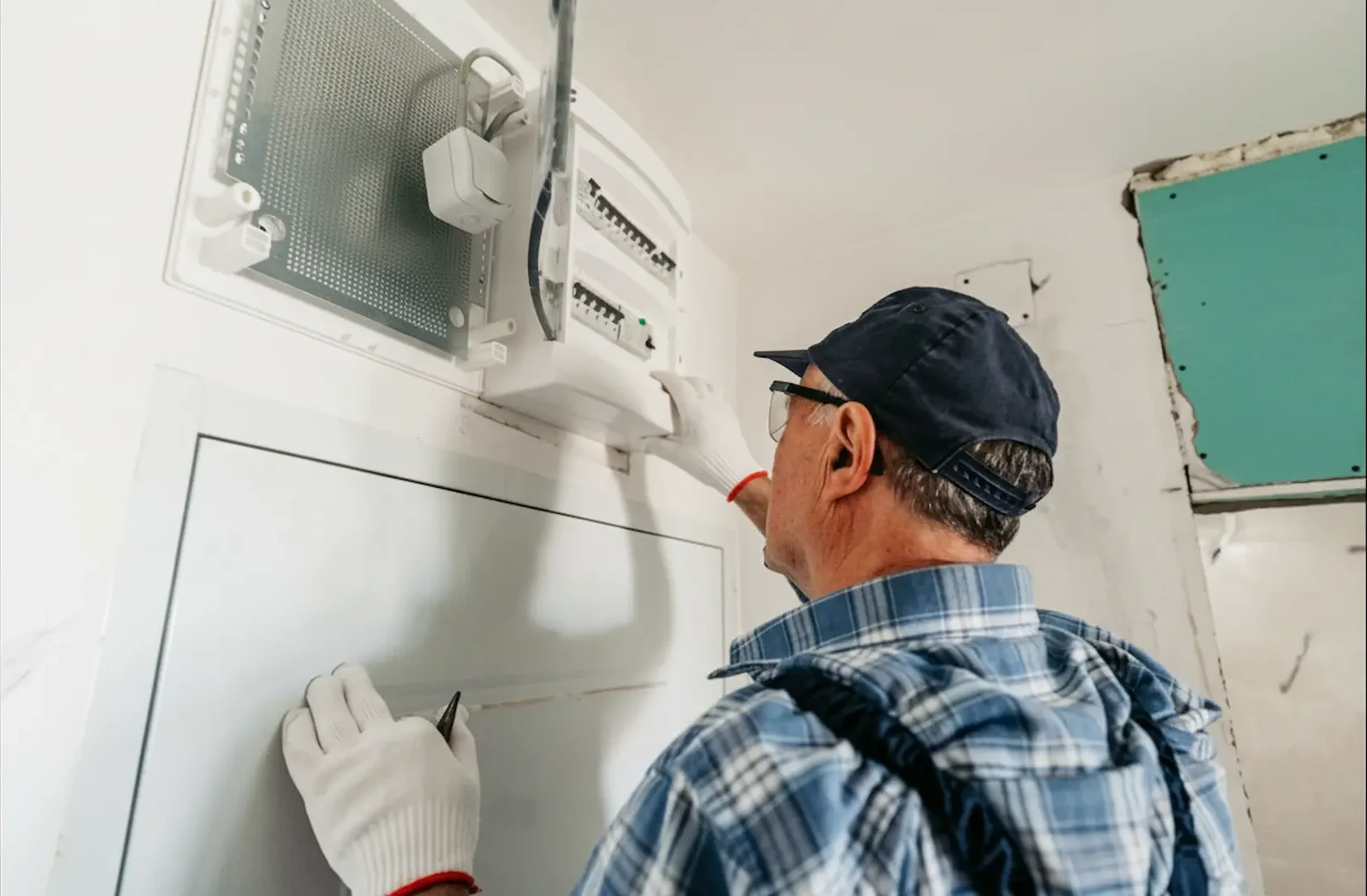
A panel upgrade should be based on the condition, capacity, and actual electrical needs of the property.
What Warning Signs Should Make You Have the Panel Evaluated?
An electrical symptom does not diagnose the problem by itself. For example, a breaker that keeps tripping may be responding to a problem somewhere else in the circuit rather than a failed panel.
Still, recurring or serious symptoms are reasons to call a licensed electrician.
- Breakers that repeatedly trip during normal use.
- Flickering or dimming lights affecting several fixtures or areas.
- Buzzing, sizzling, or crackling sounds from electrical equipment.
- A burning odor around the panel or other electrical equipment.
- Visible rust, corrosion, discoloration, or damage.
- Significant unexplained heat around the panel.
- Electrical shock or tingling from equipment, outlets, or switches.
- Recurring unexplained power loss.
The Electrical Safety Foundation International also identifies frequent breaker trips, flickering or dimming lights, buzzing, overheating, burning odors, sparks, and electrical shocks as signs that warrant evaluation by a qualified electrician.
Do not open the electrical panel to investigate burning, heat, sparking, or internal damage yourself. If there is active fire, heavy smoke, serious injury, or another immediate threat to life or property, leave the area and call 911.
Does an Older Electrical Panel Automatically Need an Upgrade?
No. Age is one piece of information, but it should not be the only reason a homeowner is told to replace an electrical panel.
A professional evaluation should consider:
- The physical condition of the panel.
- The condition of related service equipment.
- The electrical demand of the home.
- Available breaker or circuit space.
- Recurring electrical problems.
- Previous electrical modifications.
- Planned renovations and new equipment.
- Whether the current equipment remains appropriate for the property.
Two homes with electrical equipment of a similar age can have very different electrical needs and very different conditions.
What If the Home Still Has a Fuse Box?
A fuse-based electrical system is a good reason to have the system professionally evaluated, particularly when the homeowner is planning renovations, adding electrical loads, experiencing recurring problems, or concerned about the condition of the existing equipment.
Whether replacement is appropriate should still be based on the actual system rather than making a blanket recommendation from the age of the home alone.
Does Adding an EV Charger Mean You Need a Panel Upgrade?
No. Installing an EV charger does not automatically require replacing the panel or increasing the home to a 200-amp service.
The electrical requirements depend on:
- The charger being installed.
- The charging rate the homeowner intends to use.
- The home's existing electrical loads.
- Available panel space.
- Existing service capacity.
- The wiring route and installation conditions.
A professional evaluation can determine whether the existing electrical system has appropriate capacity or whether panel or service work is necessary.
What Other Home Improvements Can Trigger a Panel Evaluation?
An electrical panel evaluation can make sense before projects that substantially change the electrical demand or require multiple new circuits.
| Planned Project | Why the Electrical System May Need Evaluation |
|---|---|
| EV charger | Adds a significant new electrical load depending on the charger and charging rate |
| Kitchen renovation | Can add or change several appliance and branch circuits |
| Electric HVAC or heat pump | May materially change the home's electrical demand |
| Home addition | Adds lighting, receptacles, equipment, and potentially several new circuits |
| Workshop or garage equipment | May require dedicated circuits or higher-demand electrical equipment |
| Hot tub or pool equipment | Adds electrical equipment that should be considered in the property's overall load |
| Conversion to more electric appliances | Replacing fuel-burning equipment with electric equipment can increase household electrical demand |
The fact that a project appears on this list does not mean an upgrade is automatically required. It means the existing electrical system should be evaluated before assuming it can or cannot support the new load.
Do You Need a New Panel or Just More Circuit Space?
Running out of breaker spaces does not automatically mean the utility service itself needs to be increased.
Depending on the electrical system and available capacity, potential solutions can include:
Additional Circuit
If the existing panel has suitable capacity and space, the project may only require a properly planned new circuit.
Subpanel
A subpanel can provide additional circuit distribution in an appropriate installation without automatically increasing the property's utility service capacity.
Panel Replacement
The distribution panel itself may need replacement because of condition, configuration, space, or another project requirement.
Service Upgrade
Increasing the electrical service may be appropriate when the evaluated electrical demand requires additional capacity.
A subpanel adds distribution space, not additional utility capacity. The existing electrical service still needs adequate capacity for the loads being served.
100-Amp vs. 200-Amp Service: Does Your Home Need More Capacity?
A 100-amp service should not automatically be described as inadequate, and a 200-amp service should not automatically be described as necessary.
The appropriate service size depends on the electrical loads the property needs to support.
| Question | What Matters |
|---|---|
| Is my existing service large enough? | The home's actual electrical demand and planned future loads |
| Do I need 200 amps? | Whether the electrical evaluation shows that additional service capacity is appropriate |
| Can a subpanel solve the problem? | Whether the issue is circuit distribution and the existing service has sufficient capacity |
| Can I keep the existing panel? | The condition, configuration, capacity, and requirements of the planned project |
This is why generic online tables assigning a certain amperage to a particular house size are not a substitute for evaluating the actual electrical demand.
What Are the Practical Benefits of a Panel Upgrade When One Is Needed?
When the existing electrical system genuinely needs replacement or more capacity, a panel or service upgrade can solve several practical problems.
Support Planned Electrical Loads
Additional electrical capacity can support new equipment when the existing service is not appropriate for the evaluated demand.
Create Room for New Circuits
New distribution equipment can provide the circuit space required for renovations and future electrical work.
Replace Damaged Equipment
A replacement can remove electrical equipment that is damaged, deteriorated, or no longer appropriate for the system.
Plan Future Projects More Easily
Evaluating capacity during a larger renovation can help coordinate electrical work before additional equipment is installed.
These benefits apply when the electrical upgrade addresses a real need. A new panel should not be sold as a universal way to lower electricity bills, increase resale value, or fix every electrical problem in a home.
How a Panel Upgrade Increases Capacity
Upgrading your electrical panel increases capacity by raising service amperage and creating room for dedicated circuits so multiple high-draw appliances can run safely. Amperage sets the maximum current your service can handle. Moving from 100A to 200A doubles baseline capacity and lowers overload risk.
Common loads that benefit from dedicated circuits include Level 2 EV chargers (30-80A), electric ranges (30-50A), and heat pumps (20-60A).
As more homeowners add EVs and solar, adequate capacity becomes essential. An upgraded panel lets electricians balance loads and add subpanels to spread circuits evenly, preventing chronic trips and voltage sag.
Safety Features to Expect in a Modern Panel
A correct upgrade installs modern protective devices and ensures proper bonding and grounding so the system responds to arcing, ground faults, and surges. These features reduce fire and shock risk and protect electronics from voltage spikes.
Key safety features include:
- AFCI breakers: Help prevent fires by detecting dangerous arcing.
- GFCI protection: Prevents severe shocks in wet areas.
- Proper grounding and bonding: Provides safe fault paths and stabilizes voltage.
- Whole-home surge protection: Shields appliances and electronics from transient spikes.
How AFCI and GFCI Protection Works
AFCIs cut power when they detect arcing signatures that can ignite insulation or building materials, a common cause of residential fires. GFCIs watch the balance between hot and neutral conductors and trip immediately if current flows through an unintended path to ground, preventing shocks near sinks, baths, and outdoor outlets.
What Role Does Grounding Play?
Grounding and bonding create low-impedance paths that allow overcurrent devices to operate reliably and clear faults. Without them, exposed equipment can reach dangerous voltages, increasing shock risk. A correctly installed ground rod, bonding conductors, and service bonding jumper ensure predictable fault behavior and support protective devices. Whole-home surge protection at the service helps guard sensitive electronics from transients and extends appliance life.
Future-Proofing for Solar and Battery Storage
Upgrading your electrical panel prepares your home for new technologies by providing room for breakers, higher amperage, and dedicated circuits for devices like EV chargers and battery storage. A future-ready panel reduces disruptive retrofits and, with inverter-ready connections and surge protection, smooths the path for renewable or backup systems.
An upgraded panel provides space and code-compliant connection points for inverters, AC disconnects, and generation breakers to handle two-way power flow. A modern panel with reserved slots simplifies solar inverter connections and allows required isolation devices. For battery storage, panels need to accept inverter inputs and meet main-breaker sizing rules; many solar projects begin with a panel assessment for compatibility.
How to Prepare for a Panel Upgrade
Clear the area around the panel for easy access and gather any relevant paperwork, such as previous permits or electrical plans. Talk through current and future power needs with your electrician so you pick the right service size. Be prepared for a temporary power outage during the work.
A straightforward panel swap usually takes 4-8 hours. Projects that include rewiring, service-entrance upgrades, or utility coordination can take a full day or longer. Your electrician will give a precise timeline after an on-site assessment.
Panel Replacement vs. Service Upgrade
Homeowners often use the terms interchangeably, but a panel replacement and a service upgrade can be different projects.
| Type of Work | General Purpose |
|---|---|
| Panel repair | Correct a specific problem when the existing panel and service remain appropriate |
| Panel replacement | Replace the distribution equipment without automatically increasing the property's total service capacity |
| Service upgrade | Change or increase the electrical service and potentially replace panel, meter-related, service entrance, grounding, or other equipment |
If you are deciding between repair and replacement, see our electrical panel repair vs. upgrade guide.
If you already know the panel will be replaced and want to understand the project itself, read what to expect during an electrical panel replacement.
Does PSEG Long Island Get Involved in a Panel Upgrade?
It depends on whether the project changes the electrical service.
PSEG Long Island has a specific process for upgrading or changing an active electrical service. PSEG currently states that an electrical inspection certificate is required for all new services and service changes.
Current requirements can be reviewed through PSEG Long Island's Upgrade or Change Electric Service guidance .
A project that only involves panel-related work may have a different scope from a complete service change, so the requirements should be determined from the actual project.
How Much Does an Electrical Panel Upgrade Cost?
Cost depends heavily on whether the project is a panel replacement or a larger service change.
Pricing can also be affected by:
- The existing electrical service.
- The proposed service capacity.
- Meter and service equipment conditions.
- Existing wiring and grounding.
- Panel location and accessibility.
- Additional circuits or electrical repairs.
- Utility or inspection requirements that apply to the project.
Rather than repeating another pricing table here, see the dedicated electrical panel upgrade cost guide for Suffolk County.
How RJ & Son Electric Determines Whether an Upgrade Makes Sense
RJ & Son Electric is led by Richard Gruttola, a licensed and insured Master Electrician serving Suffolk County.
The goal is not to turn every breaker trip, older panel, EV charger, or renovation into a 200-amp service upgrade. The right approach is to evaluate the electrical system and recommend work based on what the property actually needs.
Look at the Existing System
The condition, capacity, panel configuration, and reason for the call all help determine what should be evaluated.
Understand Future Plans
Renovations, EV charging, new HVAC, additions, and other future loads can affect the electrical plan.
Determine the Right Scope
The appropriate solution may be a repair, circuit addition, subpanel, panel replacement, service upgrade, or another electrical improvement.
Explain the Recommendation
Richard explains what he finds, what work is recommended, and why that solution makes sense for the property.
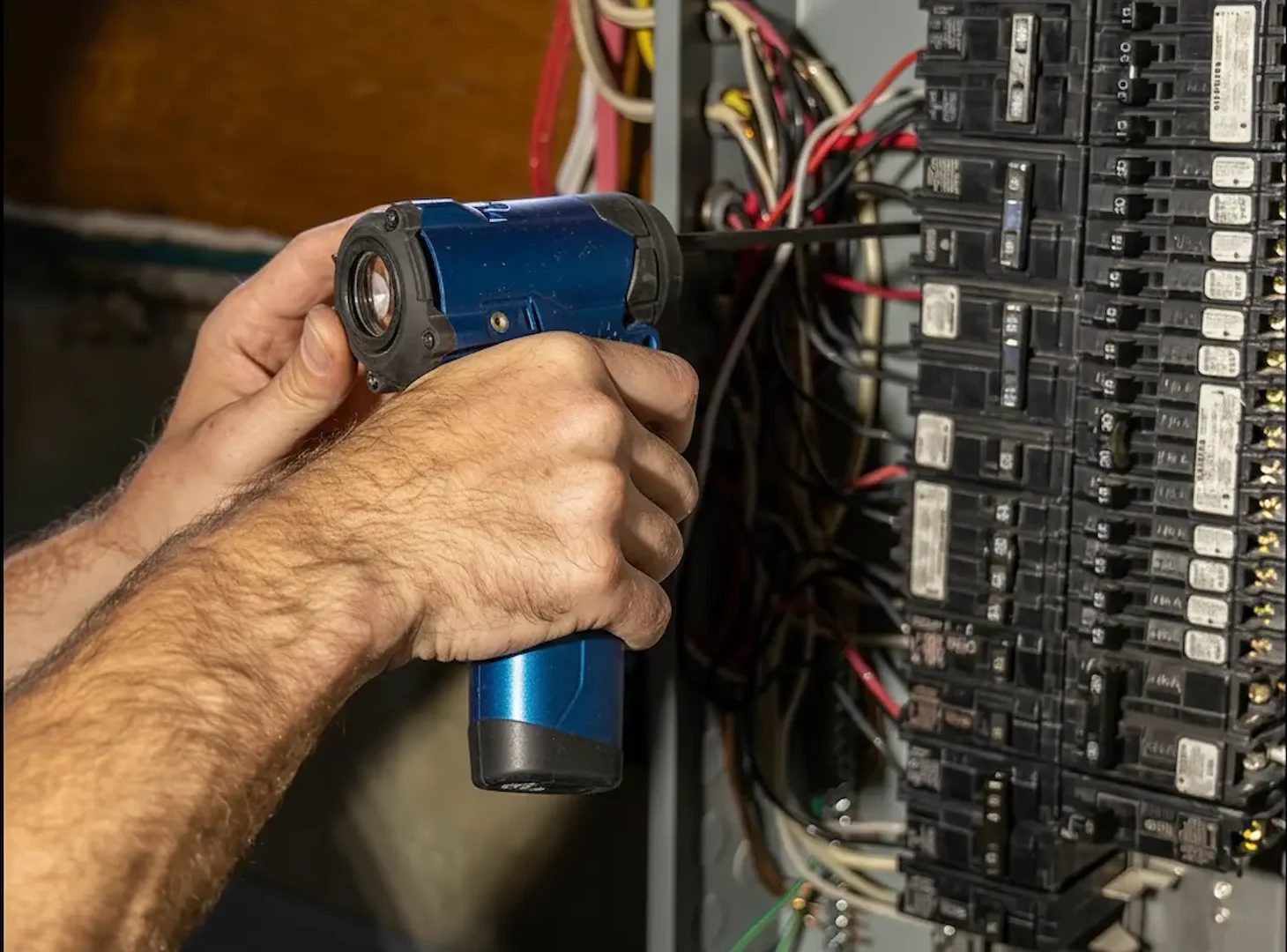
What the Professional Upgrade Process Looks Like
A licensed electrician follows a series of steps to ensure a safe and effective upgrade.
Assessment
A licensed electrician conducts a thorough assessment of your current electrical system, evaluating the panel's capacity, the number of circuits, and the overall condition of the wiring. This assessment helps determine whether an upgrade is necessary to meet your household's electrical demands.
Permits
The necessary permits are obtained from local authorities to ensure compliance with safety codes.
Installation
The old panel is removed and the new one installed, including connecting all circuits and ensuring proper grounding.
Testing
Thorough testing is conducted to ensure the new panel operates correctly and safely.
When Is a Panel Problem an Emergency?
Some panel-related problems deserve prompt attention rather than waiting for a routine appointment.
Call promptly for:
- Visible sparking or arcing.
- Smoke.
- A persistent burning odor.
- Significant unexplained heat.
- Buzzing or crackling accompanied by other electrical symptoms.
- Visible damage to electrical equipment.
- Major unexplained power loss.
RJ & Son Electric provides 24/7 emergency electrical service throughout Suffolk County.
Call
(631) 833-7663
for current availability.
Frequently Asked Questions About Electrical Panel Upgrades
Does every older home need an electrical panel upgrade?
No. The age of the home or panel alone does not determine whether replacement is necessary. The condition, electrical demand, configuration, recurring problems, available circuit space, and planned future loads should all be considered.
Does a 100-amp service automatically need to be upgraded to 200 amps?
No. A 100-amp service can be appropriate for some properties. The correct service size depends on the home's actual electrical demand and planned loads rather than a universal rule based on home size or age.
Does installing an EV charger mean I need a panel upgrade?
Not automatically. The charger requirements, desired charging rate, existing household loads, panel space, service capacity, and installation conditions should be evaluated before deciding whether panel or service work is needed.
Can a subpanel replace the need for a service upgrade?
A subpanel can provide additional circuit distribution or breaker spaces in an appropriate installation, but it does not increase the amount of electrical service supplied by the utility. The existing service must still have appropriate capacity for the connected loads.
Do repeated breaker trips mean my panel needs replacement?
Not necessarily. Repeated breaker trips can result from connected equipment, wiring, an overloaded circuit, a breaker problem, or another electrical condition. The cause should be diagnosed before deciding whether panel replacement is appropriate.
What home improvements should make me evaluate my electrical capacity?
EV charging, major HVAC changes, kitchen renovations, additions, electric cooking equipment, hot tubs, pools, workshops, and other substantial new electrical loads can all be reasons to evaluate the existing panel and service before installation.
Is replacing the electrical panel the same as upgrading the electrical service?
Not always. A panel replacement changes the distribution equipment. A service upgrade changes or increases the electrical service and may involve additional equipment, utility coordination, and inspection requirements.
Can I upgrade an electrical panel myself?
No. Electrical panel and service work can involve serious electrical hazards and should be performed by a properly licensed electrician. Do not open, modify, or attempt replacement of electrical service equipment yourself.
Continue Researching Your Panel Project
Electrical Panel Safety
Learn which warning signs deserve professional electrical evaluation.
Repair vs. Upgrade
Understand when a panel-related problem may be repairable and when replacement may make more sense.
What to Expect During Replacement
Learn what happens before, during, and after an electrical panel replacement.
Panel Upgrade Cost
Review the factors that affect panel replacement and electrical service upgrade pricing.
Does Your Home Actually Need a Panel Upgrade?
RJ & Son Electric provides electrical panel troubleshooting, replacements, service upgrades, and related electrical work throughout Suffolk County. Richard Gruttola is a licensed and insured Master Electrician who can evaluate your existing system and explain whether your home needs a repair, additional circuits, a subpanel, panel replacement, or a larger service change.
Licensed & Insured Master Electrician serving Suffolk County, NY
NY Master License ME-72156
(631) 833-7663 · RichG@rjandsonelectric.com