A problem with your electrical panel does not automatically mean you need a complete replacement. Sometimes a specific component or circuit can be repaired. In other situations, the condition of the panel, available capacity, repeated problems, or planned electrical upgrades can make replacement or a service upgrade the more practical solution.
The important part is figuring out why the electrical problem is happening before deciding what to replace.
RJ & Son Electric provides electrical panel upgrades and service changes as well as electrical troubleshooting and repair throughout Suffolk County. The company is led by Richard Gruttola, a licensed and insured Master Electrician.
Not sure whether your panel needs repair or replacement?
Call RJ & Son Electric at
(631) 833-7663
to have the electrical problem evaluated.
What Are the Warning Signs of an Electrical Panel Problem?
Panel and service problems can show up in different ways. Some symptoms may originate inside the panel, while others can be caused by a circuit, appliance, wiring connection, electrical load, utility issue, or another part of the system.
Warning signs worth having professionally evaluated include:
- Breakers that repeatedly trip during normal use.
- Flickering or dimming lights affecting multiple fixtures or areas.
- Burning odors around electrical equipment.
- Buzzing, crackling, or unusual sounds near the panel.
- Unusual heat around electrical equipment.
- Visible corrosion, rust, discoloration, or physical damage.
- Partial or unexplained power loss.
- A lack of available circuit space when planning new electrical work.
A symptom does not diagnose the problem. For example, repeated breaker trips do not automatically mean the breaker is defective or the panel needs to be replaced. The circuit, connected equipment, wiring, or electrical load may be causing the breaker to operate.
Do Flickering Lights Mean the Electrical Panel Is Failing?
Not necessarily. Flickering can result from several different electrical conditions, and the location and pattern matter.
A single fixture behaving differently from the rest of the home is not the same situation as several rooms dimming or flickering at the same time. Widespread or recurring symptoms deserve professional troubleshooting so the actual source can be identified.
What About an Older Fuse Box or Electrical Panel?
Age by itself does not determine whether electrical equipment must be replaced. The actual condition, configuration, capacity, previous modifications, and needs of the property all matter.
An older fuse box or panel is worth evaluating if you are experiencing recurring problems, planning a renovation, adding substantial electrical loads, or seeing signs of deterioration.
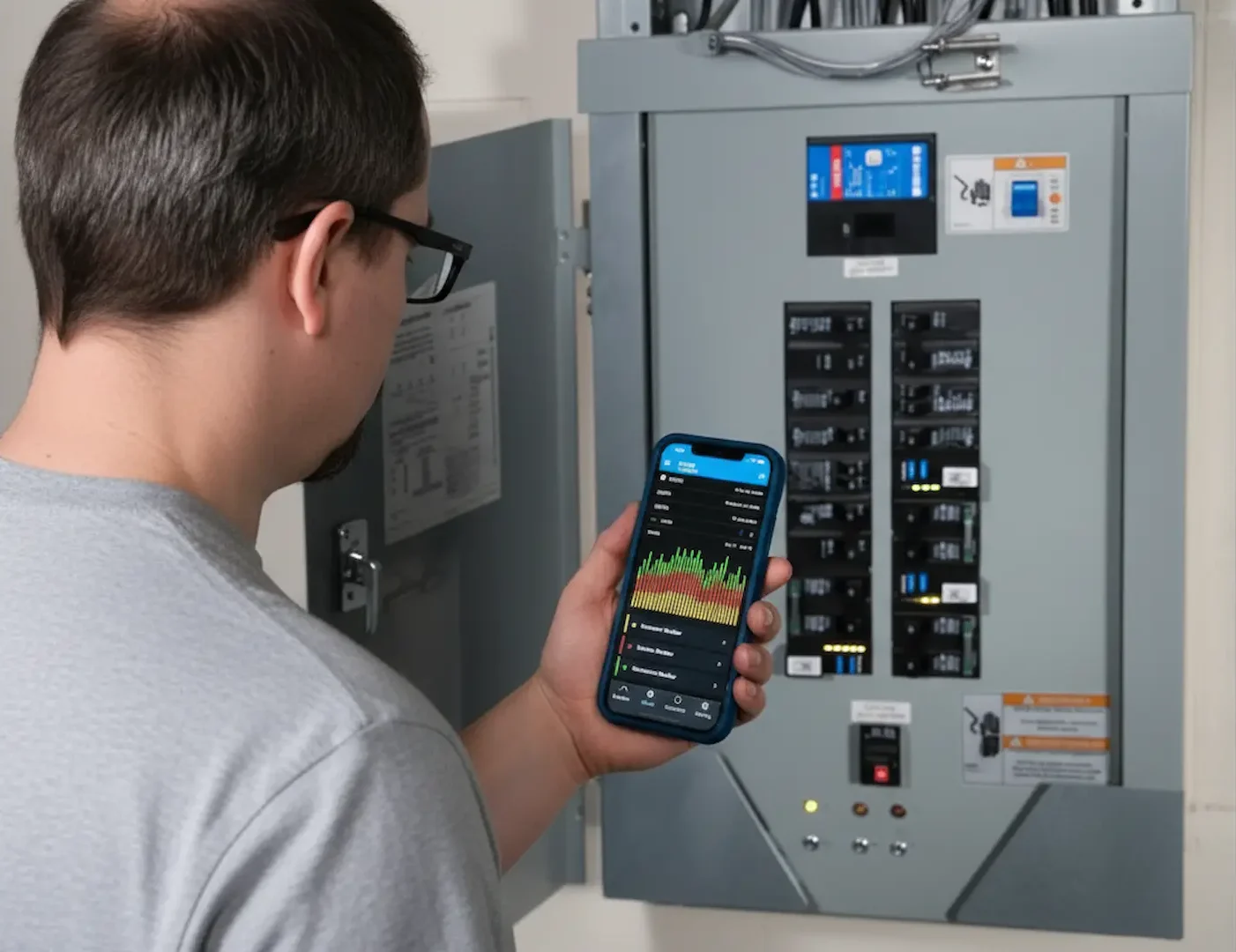
Whether a panel should be repaired or replaced depends on its condition, electrical capacity, and the needs of the property.
Electrical Panel Repair vs. Replacement: What Is the Difference?
A repair addresses a specific problem within an electrical system that is otherwise appropriate to remain in service. A panel replacement removes the existing distribution equipment and installs new equipment.
A service upgrade can go further by changing the electrical capacity or service equipment serving the property.
| Option | What It Generally Addresses | When It May Make Sense |
|---|---|---|
| Electrical repair | A specific failed or damaged component, circuit, connection, or localized electrical problem | The overall panel and service remain suitable and the problem can be safely corrected without replacing the entire system |
| Panel replacement | The main distribution panel itself | The existing panel is damaged, deteriorated, unsuitable, or replacement is appropriate as part of other electrical work |
| Service upgrade | Electrical capacity and potentially the panel, service entrance, meter-related equipment, grounding, or other service components | The property needs additional electrical capacity or the existing service configuration needs to be changed |
| Subpanel | Additional circuit distribution or breaker space | Additional circuits or localized distribution are needed but increasing total utility service capacity may not be necessary |
When Can an Electrical Panel Problem Be Repaired?
Repair may be appropriate when the problem is isolated and the existing panel and service are otherwise suitable for the property.
Localized Electrical Problem
A specific circuit, connection, breaker, or other component may be responsible for the symptoms rather than the entire panel.
Adequate Existing Capacity
The current electrical service may already provide suitable capacity for the property's present and planned electrical needs.
Panel Is Otherwise in Good Condition
The equipment may remain serviceable if the problem can be corrected without replacing the entire panel.
No Major Expansion Planned
A homeowner who is not adding substantial electrical loads may not need to increase service capacity.
What Does Professional Panel Troubleshooting Involve?
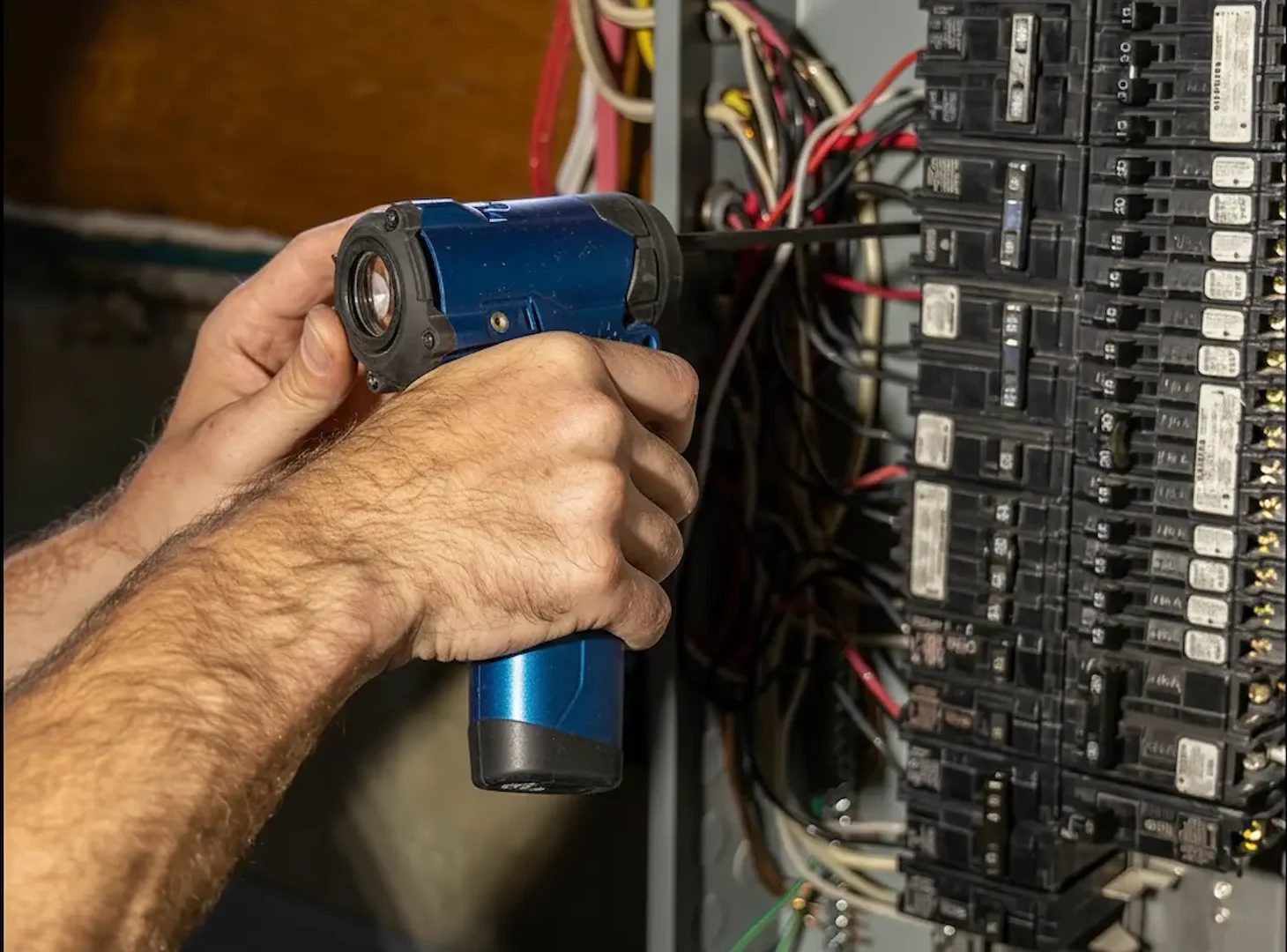
The exact diagnostic process depends on the symptoms and electrical system. Richard may need to evaluate the affected circuits, panel equipment, service conditions, wiring connections, or connected electrical loads to determine where the problem originates.
The goal is to repair the actual cause rather than simply replacing whatever component appears closest to the symptom.
When Does Panel Replacement or a Service Upgrade Make More Sense?
There are situations where continued repair may not be the practical long-term solution.
Physical Damage or Deterioration
Significant damage, corrosion, overheating, or deterioration can change whether existing equipment is appropriate to remain in service.
Insufficient Electrical Capacity
Planned electrical loads may require more capacity than the existing service can appropriately support.
Major Renovations or Additions
Kitchen renovations, additions, HVAC changes, workshops, EV charging, and other projects can substantially change a home's electrical needs.
Recurring Problems
Multiple recurring problems can be a reason to evaluate whether continuing to repair existing equipment still makes sense.
Replacement is not automatically an upgrade to 200 amps. The correct service size should be based on the property's electrical demand, existing system, and planned future loads.
Does Adding an EV Charger Mean You Need a 200-Amp Service?
No. An EV charger installation does not automatically mean every home needs a 200-amp service.
The electrical requirements depend on the charger, intended charging rate, existing loads, available panel space, current service capacity, and the overall electrical system.
A professional load evaluation can help determine whether the existing service can support the charger or whether another solution is appropriate.
Other Loads That Can Change a Home's Electrical Needs
- Electric vehicle charging.
- Electric heating or heat-pump equipment.
- Electric water heating.
- Kitchen renovations and electric cooking equipment.
- Hot tubs or pools.
- Workshops and garages.
- Home additions.
- Other substantial new electrical equipment.
None of these automatically requires a particular service size. What matters is the combined electrical demand of the property.
Repair vs. Upgrade: A Practical Decision Guide
| Situation | What It May Point Toward |
|---|---|
| One isolated electrical problem and an otherwise suitable panel | Professional diagnosis and possibly a targeted repair |
| Repeated problems affecting multiple circuits | Further system evaluation before deciding between repair and replacement |
| Visible deterioration or significant panel damage | Panel replacement may be appropriate depending on the condition found |
| No room for planned circuits | Evaluate whether a subpanel, panel replacement, or service change makes sense |
| Major new electrical loads | Evaluate service capacity before deciding whether an upgrade is needed |
| Existing service is appropriate but distribution needs are changing | A subpanel or circuit changes may be enough in some situations |
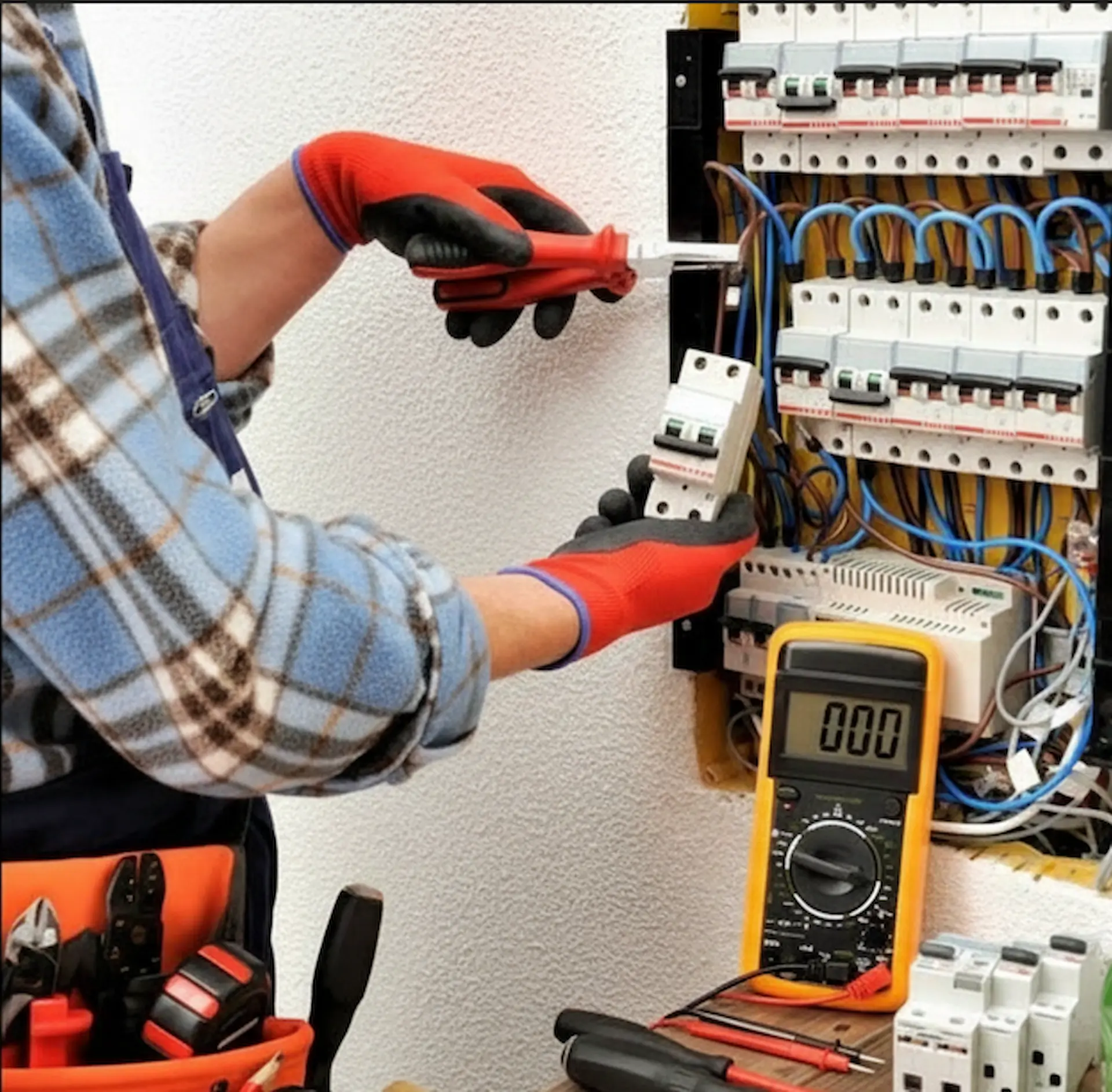
A professional evaluation helps determine whether an electrical problem can be repaired or whether larger panel or service work is appropriate.
What About the Cost of Repair vs. Replacement?
A targeted repair usually costs less than replacing an entire electrical panel or upgrading an electrical service, but cost alone should not decide which option is appropriate.
Repair pricing depends on what has failed and what work is required. Panel and service-upgrade pricing can depend on:
- The existing panel and service size.
- The scope of the electrical work.
- Meter and service conditions.
- Grounding and existing wiring.
- Panel location and access.
- Whether additional circuits or related electrical work are required.
- Inspection or utility requirements that apply to the project.
We created a separate guide specifically for homeowners researching electrical panel upgrade costs in Suffolk County.
Keeping the pricing information on that article allows this page to stay focused on the more important question: Which solution is right for the electrical system?
Panel Replacement vs. Service Upgrade
Another common source of confusion is the difference between replacing the electrical panel and upgrading the electrical service.
A panel replacement may replace the distribution equipment without necessarily changing the amount of electrical service supplied to the property.
A service upgrade can involve a larger scope that may include the panel, service entrance equipment, meter-related equipment, grounding, utility coordination, and other work depending on the property.
That distinction is one reason an electrician needs to see the actual system before deciding what the project requires.
How RJ & Son Electric Evaluates Panel Problems
RJ & Son Electric is led by licensed and insured Master Electrician Richard Gruttola. Richard provides hands-on electrical service throughout Suffolk County and can evaluate whether a panel-related problem calls for repair, replacement, additional circuits, a subpanel, or a larger service change.
Why Work With a Licensed Master Electrician?
Electrical panel and service work can involve significant electrical hazards and should be handled by a properly qualified professional.
Richard brings local Suffolk County electrical experience and is the licensed Master Electrician behind RJ & Son Electric. Customers can discuss the problem directly with the professional responsible for the electrical work.
RJ & Son Electric focuses on clear communication, professional workmanship, and explaining the electrical problem in plain language.
What If the Panel Problem Is Urgent?
Some panel-related symptoms should not wait for a routine appointment.
Call for prompt professional help if you notice:
- Burning odors near the panel.
- Visible sparking or arcing.
- Smoke.
- Significant unexplained heat.
- Buzzing or crackling accompanied by other electrical symptoms.
- Major unexplained power loss.
- Visible damage to electrical equipment.
RJ & Son Electric provides 24/7 emergency electrical service in Suffolk County.
Call
(631) 833-7663
for current availability. If there is active fire, heavy smoke, serious injury, or another immediate threat to life or property, call 911.
Frequently Asked Questions About Panel Repair vs. Upgrade
Does a breaker that keeps tripping mean I need a new electrical panel?
Not necessarily. A repeatedly tripping breaker may be responding to an overloaded circuit, connected equipment, damaged wiring, a circuit fault, or another electrical condition. The cause should be diagnosed before deciding whether the breaker, panel, or another part of the electrical system needs repair or replacement.
Can an electrical panel be repaired instead of replaced?
Sometimes. A targeted repair may be appropriate when the problem is isolated and the existing panel and electrical service are otherwise suitable. Significant damage, deterioration, inadequate capacity, or recurring problems can make replacement or a service change more appropriate.
Does adding an EV charger require a 200-amp panel?
No. The appropriate solution depends on the charger's electrical requirements, the home's existing loads, available panel space, current service capacity, and the overall electrical system. A professional load evaluation can determine whether the existing service can support the charger or whether another solution is needed.
Is replacing an electrical panel the same as upgrading the electrical service?
Not always. A panel replacement changes the distribution equipment. A service upgrade can involve increasing or changing the electrical service and may include additional work involving service entrance equipment, meter-related equipment, grounding, utility coordination, and other components.
Is a subpanel an alternative to a service upgrade?
In some situations a subpanel can provide additional circuit spaces or distribution without increasing the property's total utility service capacity. Whether that is appropriate depends on the existing electrical capacity and the reason additional circuits are needed.
How often should my electrical panel be inspected?
There is no single inspection interval that is right for every property. An evaluation may make sense when you notice recurring electrical problems, visible deterioration, major renovations, storm damage, a recent home purchase, or plans to add substantial new electrical loads.
Can I repair or upgrade an electrical panel myself?
No. Electrical panel and service work can involve serious electrical hazards and should be performed by a properly licensed electrician. Do not open, modify, or attempt repairs inside electrical service equipment yourself.
Related Electrical Services
Panel Upgrades & Service Changes
Learn about panel replacement, service changes, subpanels, fuse box replacement, and related panel work.
Electrical Repairs & Troubleshooting
Professional diagnosis for tripping breakers, flickering lights, dead circuits, outlets, wiring, and other electrical problems.
EV Charger Installation
Electrical evaluation and professional installation for residential EV charging equipment.
24/7 Emergency Electrician
Emergency electrical service for urgent electrical problems throughout Suffolk County.
Repair the Panel or Replace It? Start With the Right Diagnosis.
RJ & Son Electric provides electrical panel troubleshooting, repairs, panel replacements, and service upgrades throughout Suffolk County. Richard Gruttola is a licensed and insured Master Electrician who can evaluate the existing system and explain which option makes sense for your home.
Licensed & Insured Master Electrician serving Suffolk County, NY
NY Master License ME-72156
(631) 833-7663 · RichG@rjandsonelectric.com