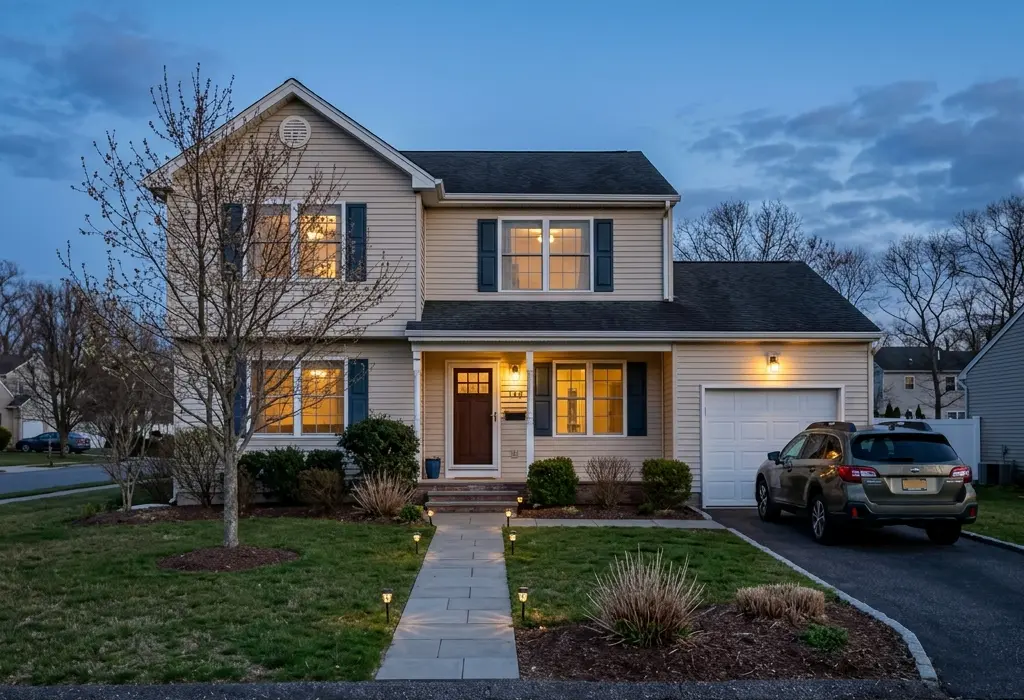
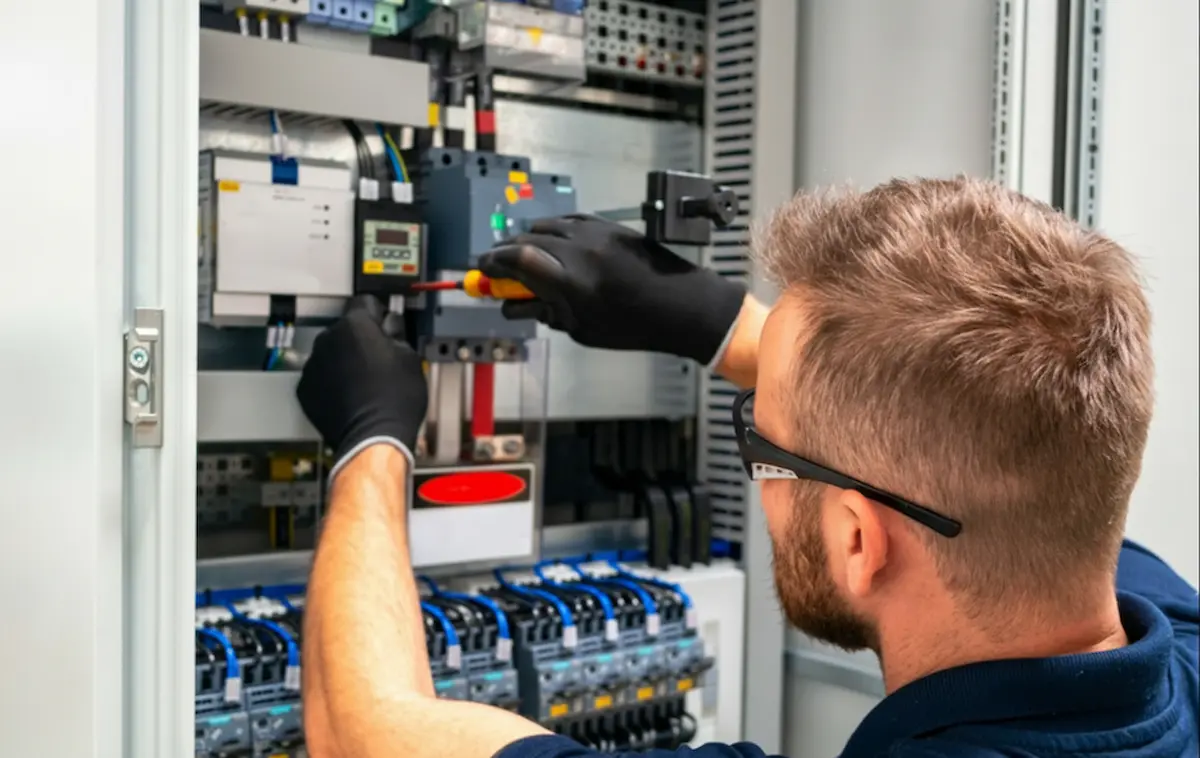
The cost of an electrical panel upgrade in Suffolk County depends on much more than the price of the panel itself. Service size, existing equipment, meter and service conditions, wiring, grounding, the location of the panel, inspection requirements, and utility coordination can all affect the final price.
For many homeowners, a panel upgrade becomes part of a larger project such as adding an EV charger, renovating a kitchen, installing new HVAC equipment, replacing an outdated fuse box, or increasing the electrical capacity of the home.
RJ & Son Electric provides electrical panel upgrades and service changes throughout Suffolk County. The company is led by Richard Gruttola, a licensed and insured Master Electrician.
Want an exact price for your panel?
Call RJ & Son Electric at
(631) 833-7663
or
request a quote.
The only reliable way to price a panel or service upgrade is to evaluate the actual electrical system.
How Much Does an Electrical Panel Upgrade Cost in Suffolk County?
Electrical panel and service-upgrade prices vary significantly based on the scope of work. National 2026 cost guides show that panel replacement itself can start in the low thousands, while full Long Island service upgrades involving the meter, service entrance, grounding, inspection, and utility coordination can cost considerably more.
For early budgeting, the ranges below are reasonable planning estimates for Long Island. They are not RJ & Son Electric quotes, and the actual cost of your project can fall below or above these ranges depending on the property.
| Type of Project | General 2026 Planning Range | What Can Change the Price |
|---|---|---|
| Panel replacement without a major service change | Approximately $1,500 to $3,000+ | Panel size, breaker requirements, existing wiring, grounding, location, access, and additional repairs |
| 100A to 200A service upgrade | Approximately $3,000 to $6,000+ | Meter equipment, service entrance, grounding, utility requirements, inspection, overhead or underground service, and site conditions |
| Fuse box replacement | Often several thousand dollars | Existing wiring condition, required circuit work, grounding, service capacity, and whether the project also changes the electrical service |
| Complex service upgrade | Can exceed $6,000 | Meter relocation, service mast work, underground service, extensive wiring changes, property conditions, and utility requirements |
These are budgeting ranges, not advertised RJ & Son Electric prices. An on-site evaluation is needed before Richard can determine what your specific panel or service upgrade requires.
National 2026 cost data also shows how widely panel-upgrade prices can vary depending on amperage and installation complexity. See current electrical panel cost guidance from This Old House .
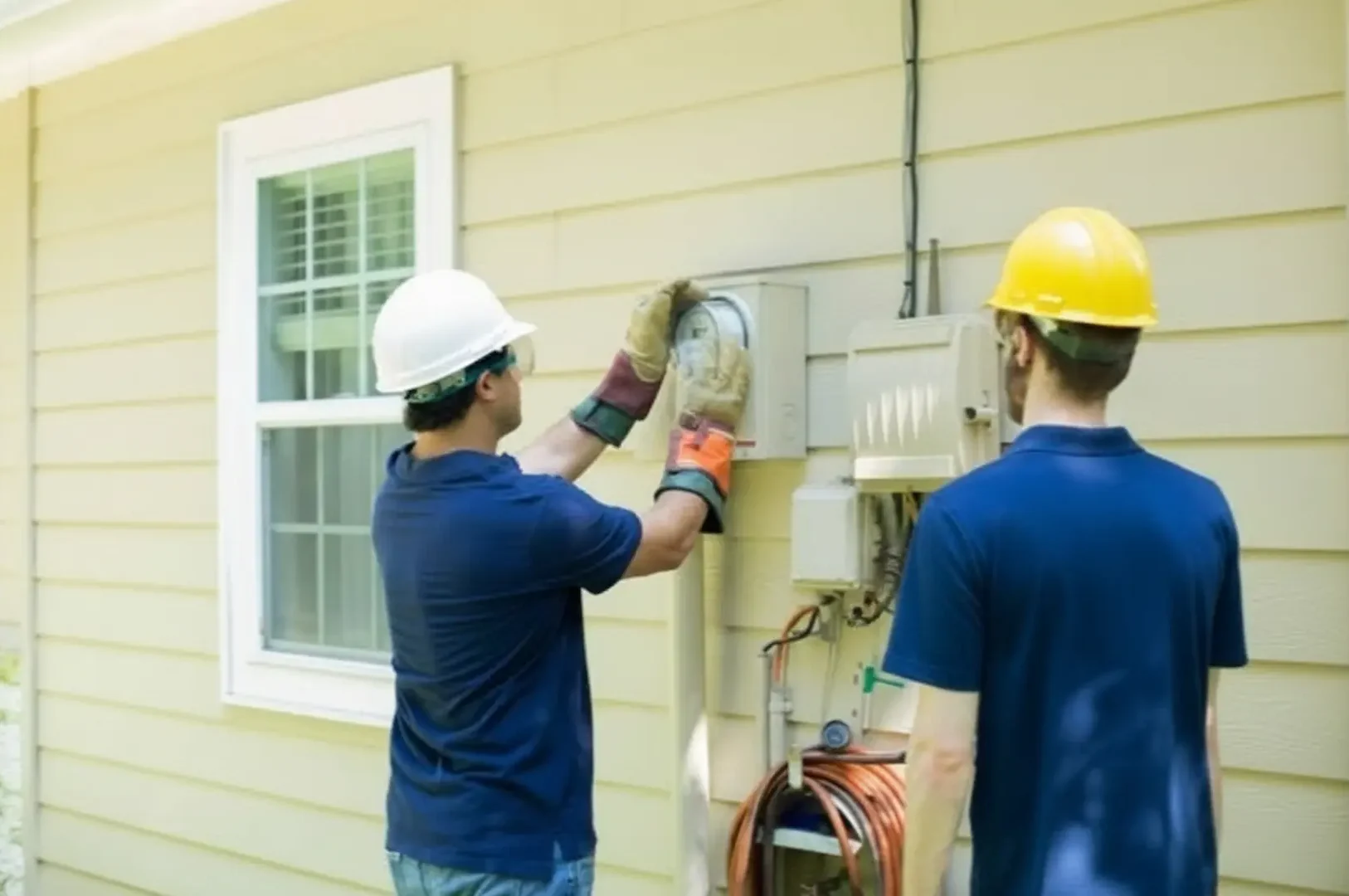
Panel-upgrade cost depends on the condition of the existing electrical system and the scope of work required.
What Factors Have the Biggest Effect on Panel Upgrade Cost?
Two homes with similar-looking electrical panels can require very different projects. That is why pricing based only on amperage can be misleading.
Panel vs. Full Service Upgrade
Replacing a panel is different from upgrading the entire electrical service. A full service change may involve additional equipment between the utility connection and the new panel.
Existing Service Size
Increasing a property's electrical capacity can require more work than replacing equipment without changing the service amperage.
Meter & Service Equipment
The condition and configuration of the meter equipment, service entrance, and associated components can substantially affect project scope.
Grounding & Existing Wiring
Existing electrical conditions discovered during an upgrade can require additional work beyond the panel itself.
Panel Location & Access
Finished spaces, difficult access, crowded equipment, or changes in location can add labor and materials.
Inspection & Utility Requirements
Service changes may involve electrical inspection requirements and coordination with PSEG Long Island.
Does a 100A Home Automatically Need a 200A Upgrade?
No. A 100-amp service does not automatically mean a home must be upgraded to 200 amps.
The appropriate service size depends on the home's actual electrical demand, existing equipment, planned improvements, and the condition of the electrical system. A licensed electrician can evaluate the property and determine whether the existing service remains appropriate.
Planned additions such as an EV charger, new HVAC equipment, electric cooking, a workshop, an addition, or other substantial electrical loads may be reasons to evaluate available capacity.
Why Is a Load Evaluation Important?
The number printed on the panel does not tell the entire story. A professional evaluation considers the electrical loads already served by the property and the additional equipment the homeowner plans to add.
That information helps determine whether the existing service has adequate capacity or whether a panel, subpanel, circuit, or service change may be appropriate.
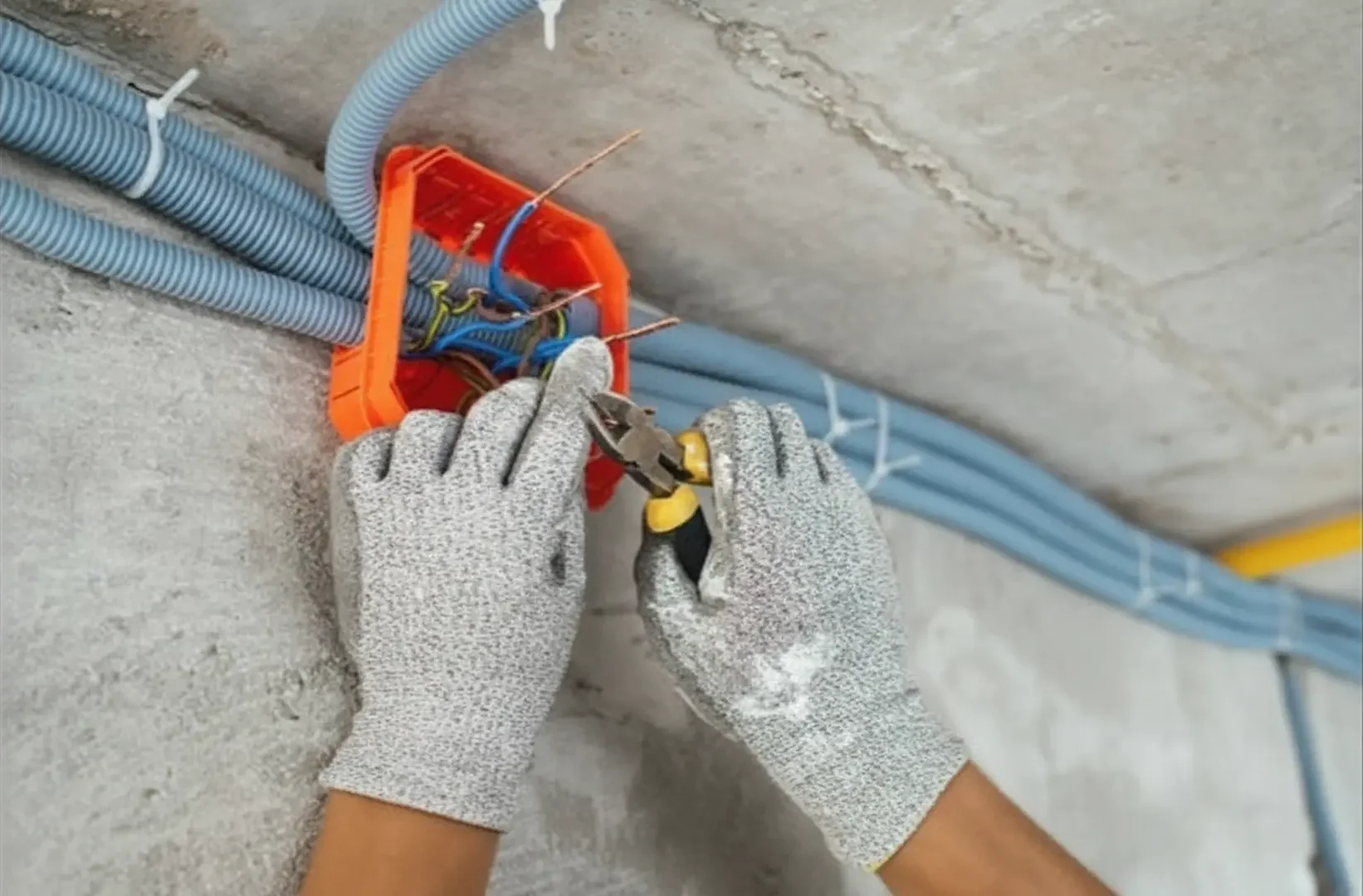
New electrical loads can require changes beyond the panel itself, depending on the existing system.
Signs It May Be Time to Have Your Electrical Panel Evaluated
Not every electrical symptom means the panel needs to be replaced. Some problems originate elsewhere in the electrical system. However, certain conditions are good reasons to have a licensed electrician take a closer look.
- Repeated breaker trips that continue after the immediate cause is unclear.
- Burning odors, buzzing, or unusual heat near electrical equipment.
- Visible damage, rust, or corrosion around the panel or service equipment.
- An older fuse-based electrical system that needs professional evaluation.
- Limited breaker space when planning new electrical circuits.
- Planned high-demand equipment such as EV charging, major HVAC equipment, or significant renovations.
- Recurring power or electrical problems that have not been professionally diagnosed.
A larger panel is not automatically the answer. The correct solution may be a repair, new circuit, subpanel, panel replacement, service upgrade, or another electrical improvement depending on what Richard finds.
What Is the Difference Between a Panel Replacement and a Service Upgrade?
These terms are often used interchangeably, but they do not always describe the same work.
| Project | What It Generally Means |
|---|---|
| Panel replacement | Replacing the electrical distribution panel while the overall service configuration may remain substantially the same |
| Service upgrade | Increasing or changing the electrical service, which may involve the panel plus service entrance equipment, meter-related work, utility coordination, and additional electrical components |
| Subpanel installation | Adding another distribution panel to provide additional circuit spaces or serve another area without automatically increasing the property's total utility service capacity |
Which option makes sense depends on why the work is being considered in the first place.
How Does RJ & Son Electric Approach a Panel Upgrade?
RJ & Son Electric provides panel upgrades and related electrical services with clear communication, professional workmanship, and straightforward pricing.
The exact process depends on the property and the type of work required, but a project generally begins with evaluating the existing electrical system and understanding what the homeowner wants to accomplish.
Why Choose RJ & Son Electric?
RJ & Son Electric brings local Suffolk County experience led by licensed and insured Master Electrician Richard Gruttola.
Richard provides residential, commercial, and light industrial electrical service with a focus on safe work, clear communication, clean installations, and honest pricing.
If your panel upgrade is connected to another project, RJ & Son Electric also provides EV charger installation, generator transfer switch installation, rewiring, and other electrical services.
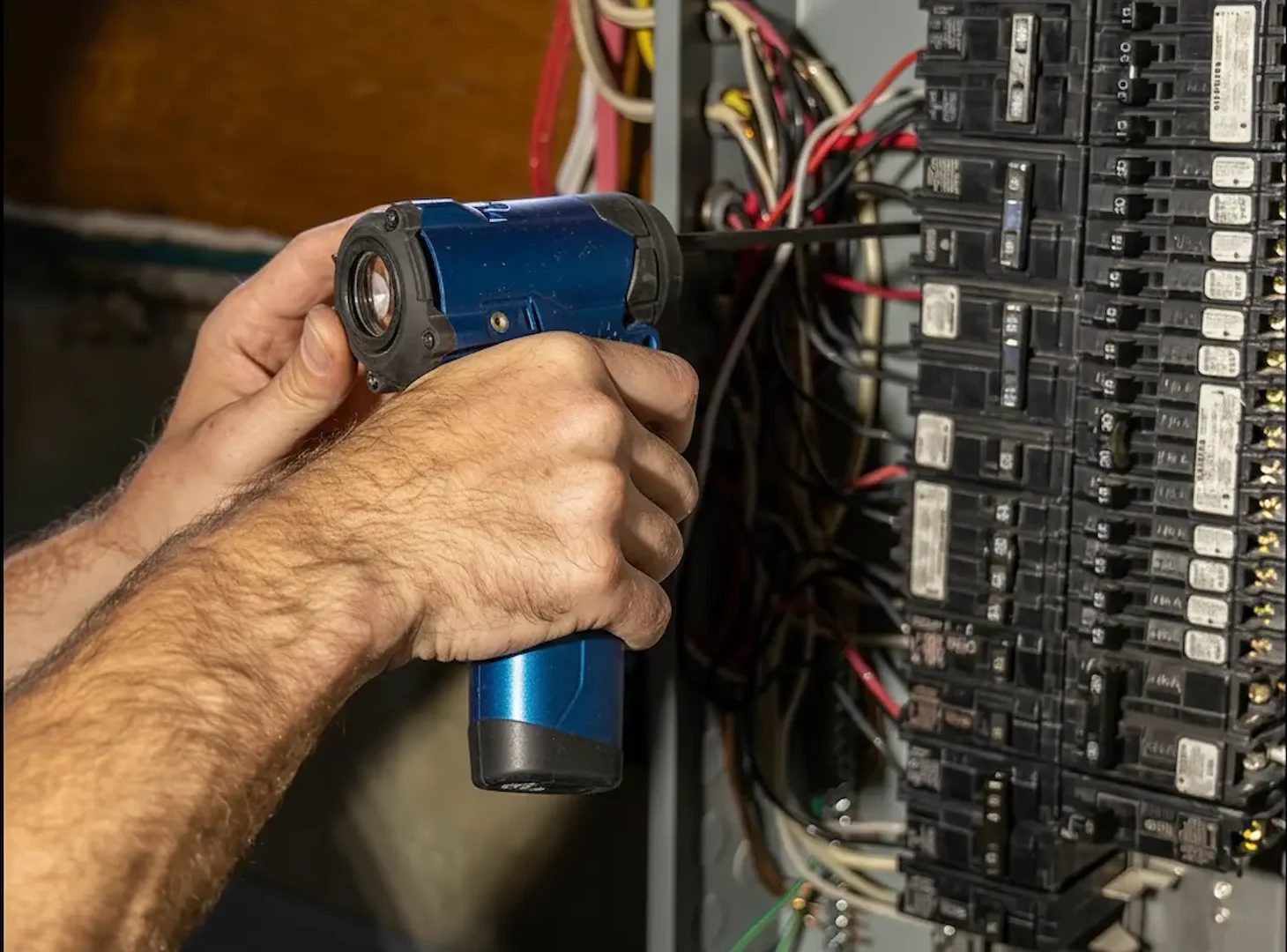
The scope of a panel project should be based on the electrical system actually found at the property.
Do Panel Upgrades Require PSEG Long Island Coordination?
Some projects do, particularly when the work changes the electrical service rather than only replacing equipment within the home.
PSEG Long Island has a specific process for upgrading or changing an active electrical service. PSEG states that an electrical inspection certificate is required for all new services and service changes. The exact documentation and utility involvement depend on the service and project.
You can review the current utility process directly through PSEG Long Island's Upgrade or Change Electric Service guidance .
What About Permits and Electrical Inspections?
Permit and inspection requirements can depend on the type of electrical work and the local municipality or authority involved. Suffolk County is made up of multiple towns and villages, so there is not one universal project fee or turnaround time that should be quoted for every property.
For a service change, PSEG Long Island requires an electrical inspection certificate. Other project requirements should be confirmed for the specific address and scope before work begins.
This is why I removed the old permit-cost and turnaround table. A blanket "$100 to $500 permit" or "3 to 14 business days" promise is not reliable for every Suffolk County municipality and project.
Benefits of Replacing an Outdated or Inadequate Panel
A panel replacement should solve a real electrical need. When replacement or additional capacity is appropriate, the project can provide several practical benefits.
Additional Capacity
A properly planned electrical upgrade can support new loads when the existing system does not have adequate capacity.
More Circuit Space
Updated equipment can provide space for circuits required by renovations, additions, EV charging, or other projects.
Replacement of Worn Equipment
Damaged, deteriorated, or unsuitable electrical equipment can be replaced with equipment appropriate for the property.
Cleaner Circuit Organization
A professionally completed panel project should leave circuits clearly identified and the installation neat and serviceable.
More capacity does not automatically mean lower electricity use, and a new panel does not by itself correct every wiring problem in a home. The value of the project comes from addressing the actual electrical need correctly.
Common Types of Panel and Service Work
| Type of Work | Why It May Be Considered |
|---|---|
| Main panel replacement | The existing panel is damaged, outdated, unsuitable, or needs replacement as part of a larger electrical project |
| 100A to 200A service upgrade | The property's evaluated electrical demand requires additional service capacity |
| Subpanel installation | Additional circuit spaces or distribution are needed for another area of the property |
| Fuse box replacement | The existing fuse equipment needs replacement based on condition, capacity, or the planned electrical work |
| Meter or service equipment work | The project scope or service condition requires changes beyond the interior panel |
Frequently Asked Questions About Panel Upgrade Costs
How much does a 200-amp panel upgrade cost in Suffolk County?
A full 100-amp to 200-amp service upgrade on Long Island can commonly fall in the several-thousand-dollar range. For planning, roughly $3,000 to $6,000 or more is reasonable for many full-service projects, but the actual cost depends on the meter, service entrance, wiring, grounding, panel location, utility requirements, inspection needs, and other site conditions. An on-site evaluation is necessary for an exact quote.
Does every 100-amp home need a 200-amp service?
No. The correct service size depends on the property's electrical demand, existing equipment, condition, and planned future loads. A licensed electrician should evaluate the system before recommending an increase in service capacity.
How long does an electrical panel upgrade take?
The installation time depends on the scope and complexity of the project. A straightforward panel project may be completed relatively quickly, while a service change involving utility coordination, inspection, additional wiring, or other electrical work can take longer. Richard can discuss the expected schedule after evaluating the project.
Will PSEG Long Island need to be involved?
PSEG Long Island may need to be involved when the project changes or upgrades the electric service. PSEG requires an electrical inspection certificate for new services and service changes. The exact process depends on the project.
Is a subpanel the same as upgrading to 200 amps?
No. A subpanel can provide additional circuit spaces or distribute circuits to another area, but it does not automatically increase the amount of electrical service supplied to the property. Whether additional service capacity is needed should be determined through professional evaluation.
Can I upgrade an electrical panel myself?
No. Electrical panel and service work involves serious electrical hazards and should be performed by a properly licensed electrician. Do not attempt to open, modify, or replace service equipment yourself.
What information does an electrician need to price a panel upgrade?
The electrician needs to evaluate the existing panel and service, current amperage, meter and service configuration, grounding, available circuit space, property conditions, planned new electrical loads, and any related wiring or equipment that may be part of the project.
Get a Panel Upgrade Quote in Suffolk County
RJ & Son Electric provides electrical panel upgrades and service work throughout Suffolk County. Richard Gruttola is a licensed and insured Master Electrician who can evaluate your existing system, explain the options, and provide project-specific pricing based on what your property actually needs.
Licensed & Insured Master Electrician serving Suffolk County, NY
NY Master License ME-72156
(631) 833-7663 · RichG@rjandsonelectric.com