In most homes today, a circuit breaker setup is the baseline for safety and reliability. Your electrical panel distributes power through the house, and individual breakers stop overloads and short circuits. This guide walks through what each does, how they differ, and when an upgrade makes sense.
What Is an Electrical Panel and Why Is It Essential?
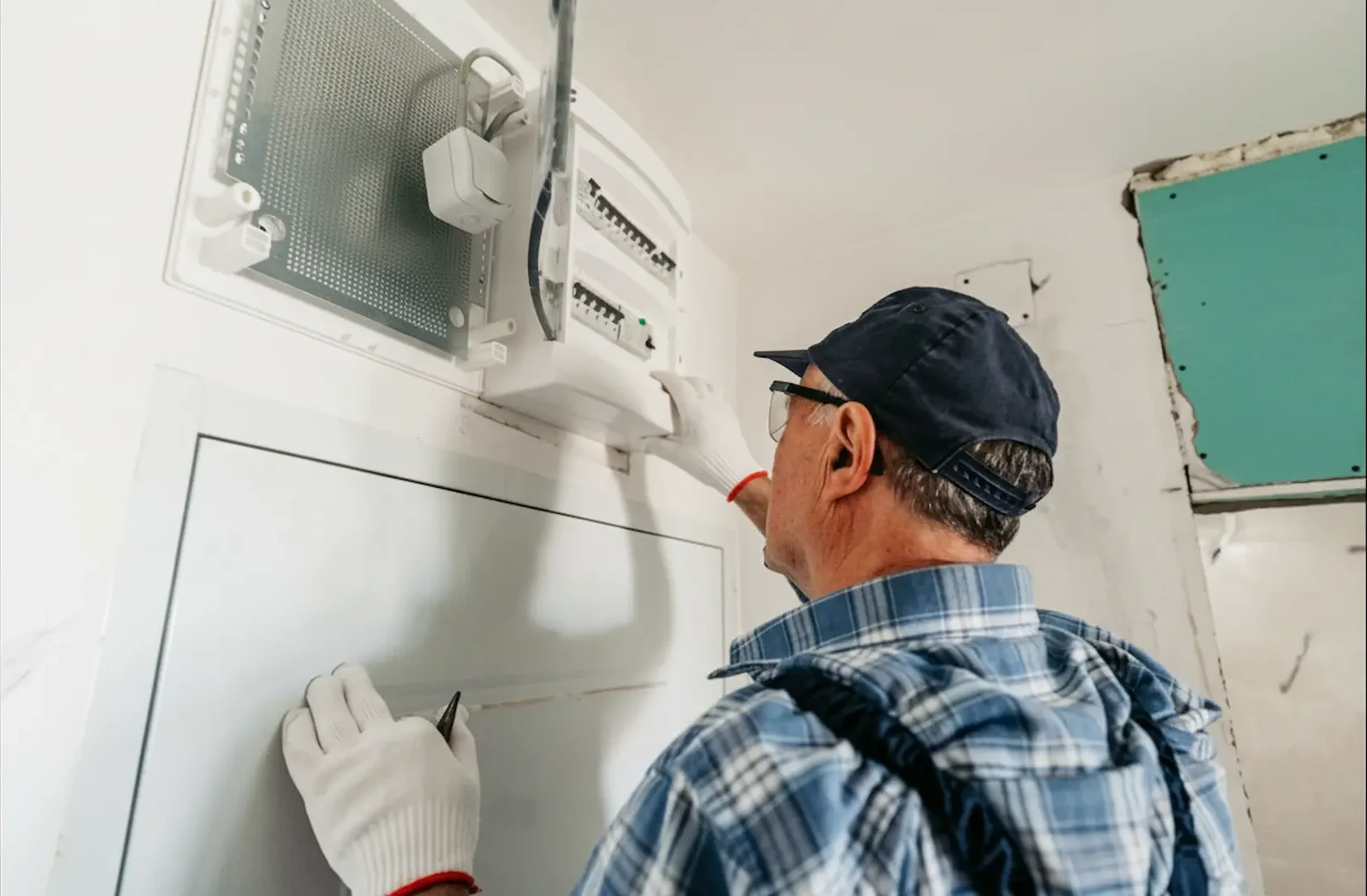
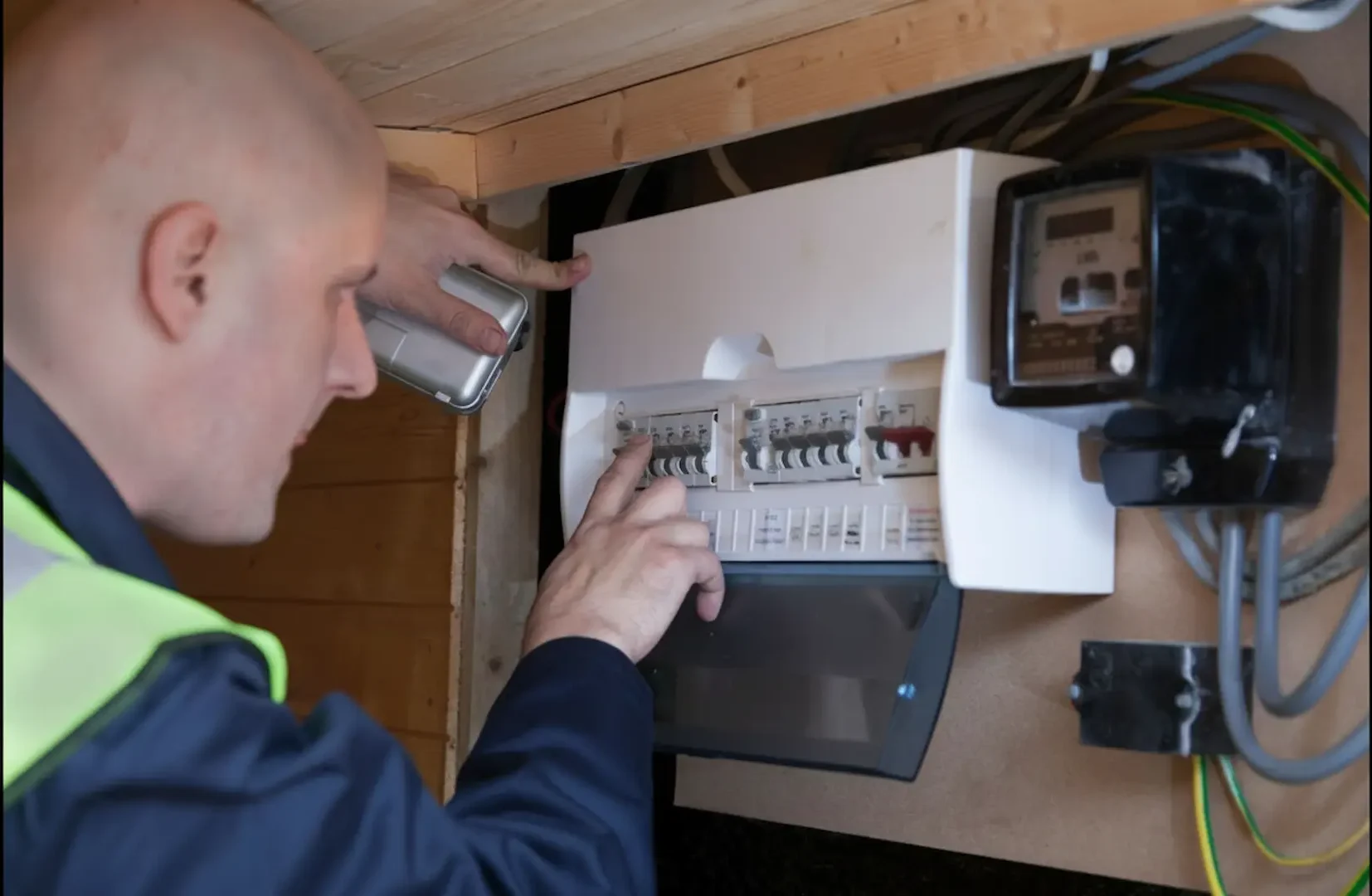
An electrical panel is the main distribution point for your home’s electricity. It divides the incoming service into branch circuits and holds the main disconnect. Inside you’ll find bus bars and the circuit breakers that protect each circuit. A panel’s ampacity determines whether it can handle high-demand equipment like EV chargers. Older panels or poor labeling can cause frequent trips and safety concerns, so a modern circuit breaker panel is often the safer choice.
Definition and Role of the Electrical Panel in Your Home’s Electrical System
The panel connects the utility meter to your home’s branch circuits. The main breaker gives you a primary disconnect for safety. Bus bars move power to individual breakers, and neutral and grounding bars provide return and fault paths. If the panel’s ampacity is too low, you’ll see overloads and nuisance trips. The panel’s condition and clear labeling are essential for safe operation and help decide whether you need subpanels, upgrades, or repairs.
Types of Electrical Panels: Main Panels, Subpanels, and Fuse Boxes
Panels come in a few common types: main breaker panels, subpanels (used to extend capacity), and older fuse boxes. Main panels usually range from 100A to 200A — many modern homes use 200A to support appliances and systems like those listed on ENERGY STAR. Subpanels give you more circuit space. Fuse boxes are legacy gear and lack many modern safety features. Knowing which panel you have guides upgrades and helps keep your home code-compliant — another reason a modern circuit breaker system is recommended.
What Is a Circuit Breaker and How Does It Protect Your Home?
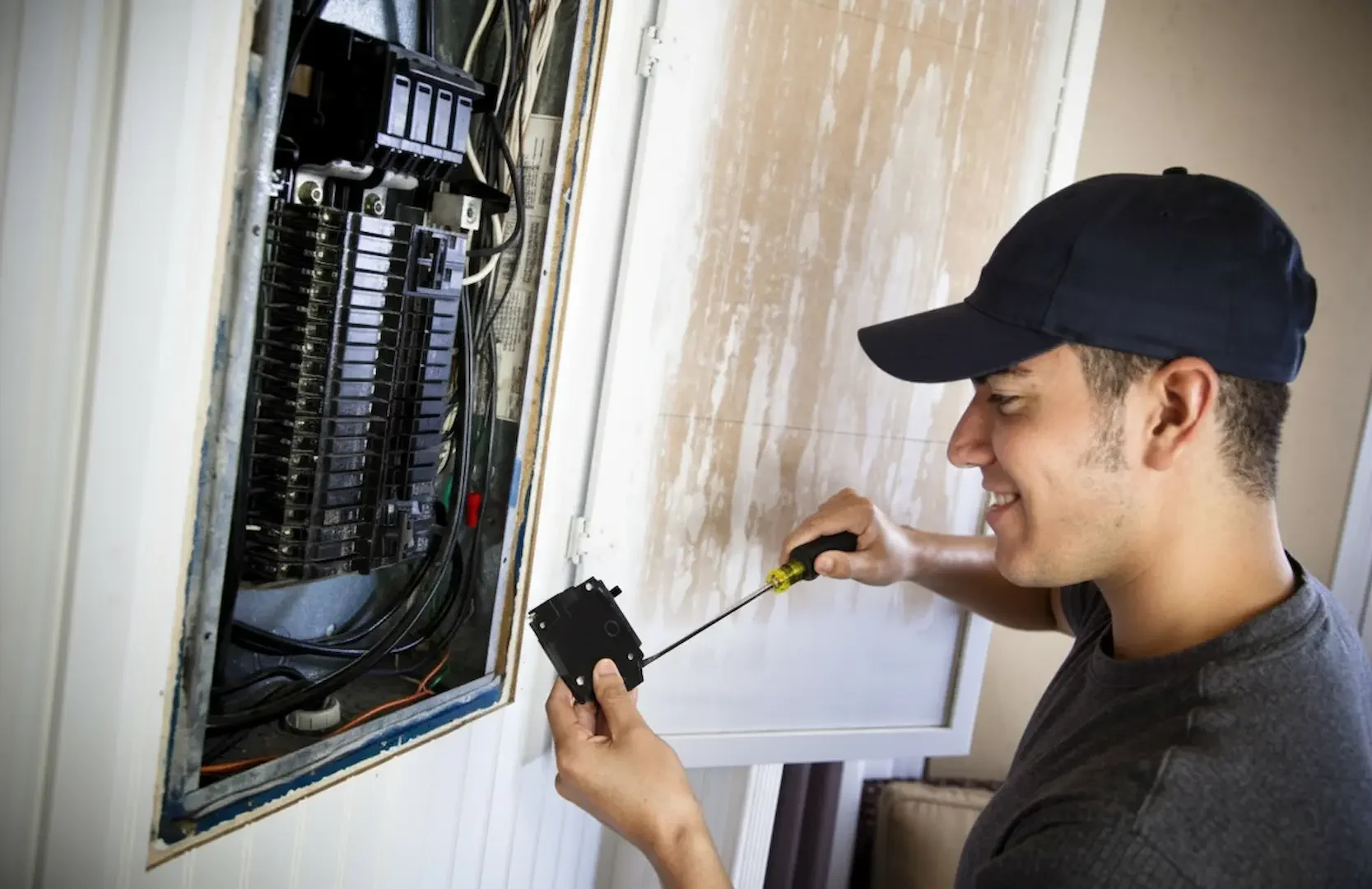
A circuit breaker is a resettable device that cuts power when it detects an overload, short circuit, or ground fault. Breakers use thermal-magnetic or electronic trip mechanisms to sense unsafe current or arcing and then open the circuit. You’ll commonly see standard breakers (overloads), GFCI breakers (ground faults in wet areas), and AFCI breakers (dangerous arcing). Knowing when to reset a tripped breaker — and when to call a pro — is important, which is why choosing a UL-listed circuit breaker matters.
Circuit Breaker Functionality: Overload and Short Circuit Protection
Breakers trip for two main reasons: overloads and short circuits. An overload happens when too many devices draw current and the breaker heats up, tripping after a short delay. A short circuit is an unintended connection between hot and neutral (or ground) that causes an immediate surge. To reset a breaker, switch it fully off and then back on after unplugging devices on that circuit. If it keeps tripping, that’s a sign of overload or a wiring issue and you should get a professional diagnosis. A certified electrician can inspect wiring and confirm the circuit breaker is working as intended.
Electrical Panel & Circuit Breaker Fault Protection
Some panels include relays that gather fault data and trigger breakers through a master trip relay. That master trip relay is an important piece of coordinated fault protection.
Protective mechanisms, M Singh, 2025
Common Types of Circuit Breakers: Standard, GFCI, and AFCI Explained
Typical circuit breaker options are: standard breakers for general overload/short protection, GFCI breakers that protect against ground faults in wet locations, and AFCI breakers that detect dangerous arcing to lower fire risk. Picking the right breaker and placing it where code requires helps keep your home safe and compliant with electrical code.
What Are the Core Differences Between Electrical Panels and Circuit Breakers?
The panel is the home’s distribution center; breakers are the protective devices inside it. The panel defines service ampacity, holds the main disconnect, and organizes circuits. Breakers monitor individual circuit current and open when a fault occurs. Panels may need upgrades to increase capacity, while breakers are swapped out if they fail. Replacing a breaker solves a single-circuit problem; upgrading the panel fixes system-wide limits. The table below shows why modern circuit breaker systems are preferred.
| Component | Primary Characteristic | Practical Impact |
|---|---|---|
| Electrical Panel | Distribution hub with main disconnect and bus bars | Determines service capacity, houses breakers, and affects ability to add circuits |
| Circuit Breaker | Resettable protective device for a single circuit | Provides overload and fault protection for branch circuits and is replaceable |
| Fuse (legacy) | One-time protective element that melts on fault | Requires fuse replacement after a trip and often lacks modern protective features |
In short: the panel organizes and supplies power, breakers protect each circuit. That distinction helps you decide whether a broken breaker or a panel upgrade is the right fix — and why a modern circuit breaker setup usually wins out.
Comparing Purpose, Location, and Function of Panels vs. Breakers
Panels are the metal cabinets that hold bus bars and breakers; breakers live inside and control each circuit. Panels set the overall service limit and should be clearly labeled; breakers sense current and trip on faults. A single breaker trip points to a circuit problem; repeated trips or other warning signs can indicate a panel-level issue. That helps determine whether you need a breaker swap, load rebalancing, or a panel upgrade.
Maintenance and Replacement Needs: When to Upgrade or Repair
Regular checks should look for corrosion, loose connections, burning smells, or overheating. Replace breakers that won’t reset, trip with no apparent load, or show physical damage. Panels get replaced when they’re too old, lack sufficient ampacity, use obsolete fuses, or can’t accept AFCI/GFCI protection. A licensed electrician will perform load calculations and recommend upgrades when capacity or safety features are lacking — keeping your circuit breaker system dependable.
When Should You Consider Electrical Panel Upgrades or Circuit Breaker Replacements?
Think about upgrades or replacements if you notice frequent breaker trips, burning smells, flickering lights, a warm panel, or if you’re adding high-demand equipment like an EV charger. These signs point to overloaded circuits, failing breakers, or insufficient panel capacity. After an electrician inspects the system, a panel upgrade or breaker replacement may be recommended. Taking action early lowers fire risk and helps you stay code-compliant.
- Frequent Breaker Trips: Multiple trips in a short time mean it’s time for an inspection to find overloads or failing breakers.
- Burning Smell or Hot Panel: Treat burning smells or a hot panel as an emergency — contact a professional right away.
- Flickering Lights or Dimming: Persistent voltage changes can signal loose connections or overloaded circuits that need correction.
- Insufficient Circuit Availability: If you can’t add circuits for new appliances, plan a panel upgrade to increase capacity.
Use these signs to prioritize repairs or upgrades and to prepare a scope of work for your electrician. The table below links common symptoms to likely causes and typical technician responses, helping you aim for the right circuit breaker solution.
| Symptom/Trigger | Likely Cause | Typical Action/Service Needed |
|---|---|---|
| Frequent trips on one circuit | Overload from too many devices | Rebalance loads or install a dedicated circuit |
| Panel warm to the touch | Loose connection or overloaded bus | Immediate inspection and repair by an electrician |
| Burning odor near panel | Overheating component or wiring fault | Emergency shutdown and professional diagnosis |
| Need to add EV charger or HVAC | Insufficient ampacity | Panel upgrade (e.g., 200 amp) and load calculation |
Signs Indicating the Need for an Electrical Panel Upgrade
Look for frequent breaker trips, limited circuit availability, a warm panel, discoloration, or an old fuse box. Double-tapped or unlabeled circuits are also a red flag. Upgrading can stop nuisance trips, add capacity for EV chargers and modern appliances, and allow AFCI/GFCI protection. If you smell burning, call a licensed electrician immediately. Adequate panel capacity is important as homes electrify — a modern circuit breaker panel is often essential.
Residential Electric Panel Upgrades for Future Electrification
A UCLA study from the California Center for Sustainable Communities examined expected residential needs for panel upgrades as homes move toward electrification. One barrier is the rated capacity of customer-owned service panels — the interface between the utility and a home’s internal electrical system.
Service Panel Upgrade Needs for Future Residential Electrification, ED Fournier, 2023
Common Causes and Solutions for Circuit Breaker Issues
Nuisance trips often come from overloaded circuits, aging breakers, or appliance faults. Short circuits and ground faults may need rewiring or appliance repair. Typical professional fixes include replacing faulty breakers, adding dedicated circuits, rebalancing loads, or performing a panel upgrade. A licensed electrician will run diagnostic tests and do code-compliant work to keep your circuit breaker system reliable.
How Do Fuse Boxes Compare to Modern Circuit Breaker Panels?
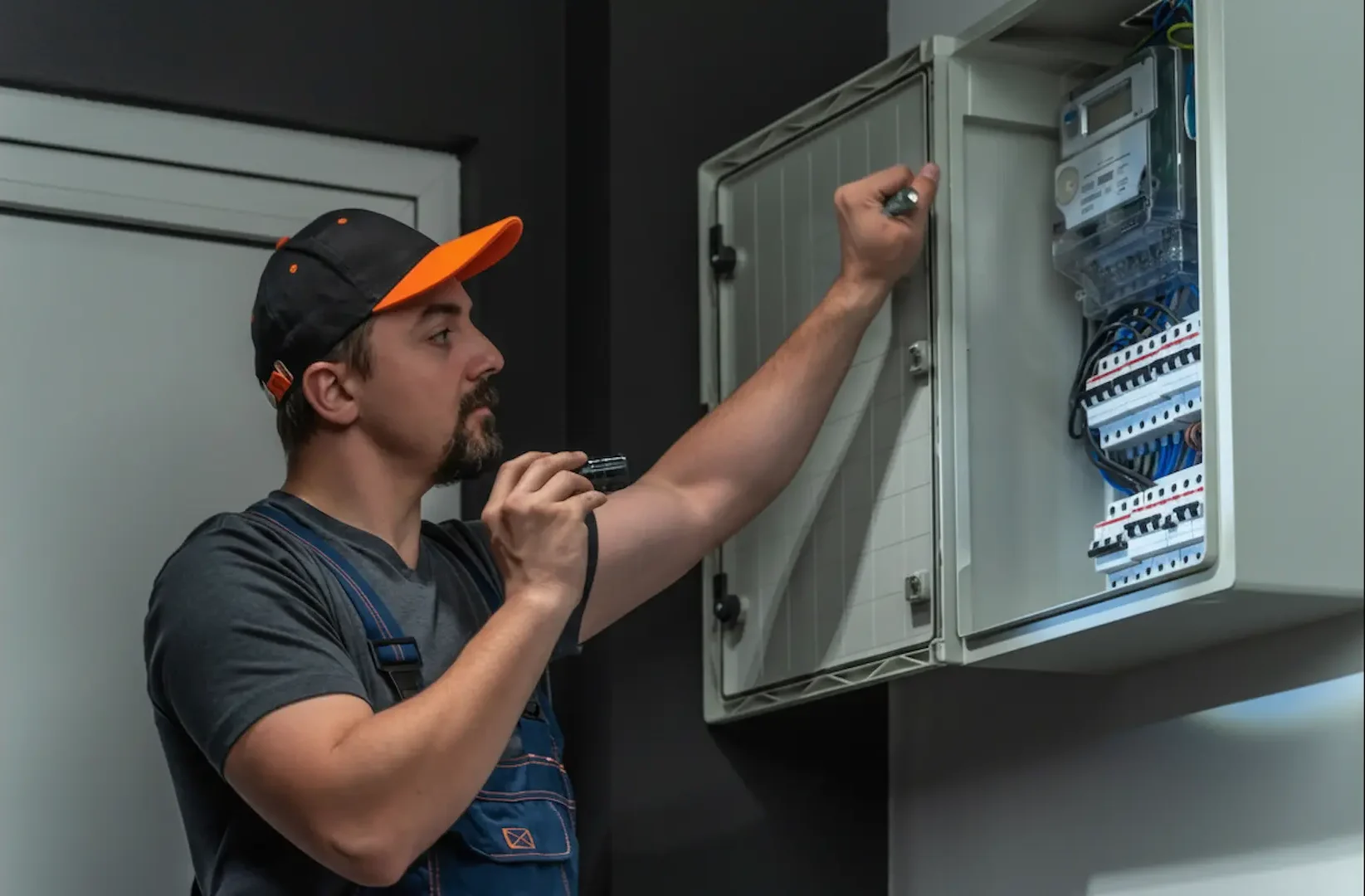
Fuse boxes rely on single-use fuses; modern breaker panels use resettable breakers and can include AFCI and GFCI protection. Breaker panels make diagnostics faster, resets easier, and work better with today’s devices. Insurers and code officials prefer breaker panels for fire protection and to support equipment like EV chargers. Converting a fuse box to a breaker panel is a key safety and capacity upgrade — another reason to choose a modern circuit breaker system.
| Safety Feature | Fuse Box Behavior | Practical Impact |
|---|---|---|
| Resettable protection | Requires fuse replacement after trip | Longer downtime and risk of using the wrong fuse |
| AFCI compatibility | Not available in older fuse systems | Higher fire risk for arcing-prone wiring unless upgraded |
| GFCI integration | Limited or external devices required | Less convenient protection for wet-area circuits |
| Diagnostic clarity | Minimal diagnostic feedback | Harder to quickly find and fix failing circuits |
Advantages of Circuit Breaker Panels Over Traditional Fuse Boxes
Circuit breaker panels provide resettable protection, clearer circuit identification, and AFCI/GFCI compatibility — all reducing shock and fire risk. They make adding circuits and labeling simpler, and electricians can swap breakers quickly during repairs. Modern panels support load calculations and capacity upgrades for today’s appliances. For older homes, a panel upgrade is a practical investment in safety and convenience.
Why Upgrading from a Fuse Box Improves Electrical Safety
Replacing a fuse box with a modern breaker panel improves safety with resettable AFCI/GFCI protection and better load management. That upgrade supports appliances like EV chargers and helps ensure code compliance. Have a professional inspection to confirm the work meets local codes — converting to a circuit breaker panel is a smart, safety-first move.
Upgrading Electrical Systems: Fuse to Circuit Breaker Conversion
Research on electrical modernization shows that swapping fuse-links for L-type screw-in circuit breakers is a straightforward way to improve safety in older multi-family buildings.
Ready for a Safer Home?
Make sure your home has a modern circuit breaker system for safety and efficiency. Don’t wait for problems to get worse — our licensed Master Electricians are available for panel upgrades, repairs, and safe installations.
Where to Find Expert Residential Electrical Panel Services in Suffolk County, NY
If you’re in Suffolk County, NY, RJ & Son Electric offers licensed, insured Master Electrician services including panel upgrades (200A conversions and fuse-to-breaker work), electrical repairs, troubleshooting, and EV charger installs. We perform code-compliant work with AFCI and GFCI protection, provide honest up-front pricing, and offer 24/7 emergency service. If you see warning signs or need more circuits, contact a licensed professional to get accurate load calculations and compliant work. Call RJ & Son Electric at (631) 833-7663 or check our Google Business Profile for reviews — we’ll make sure your circuit breaker system is installed correctly.
Here are a few services and trust signals to help you decide the next step:
- Panel Upgrades and Replacements: Licensed upgrades with accurate load calculations and code-compliant installation.
- Circuit Breaker Replacement and Troubleshooting: Diagnosis and replacement of faulty breakers, with testing and labeling for safety.
- EV Charger and Transfer Switch Installations: Planning and installation for high-demand equipment that may require panel capacity changes.
How Professional Circuit Breaker Replacement Enhances Home Safety
Professional circuit breaker replacement ensures the right breaker type and amp rating, proper installation, and accurate labeling — reducing nuisance trips and mismatches. Licensed electricians test new breakers, verify grounding, and document work for inspections, safely accommodating upgrades like EV chargers. Hiring a licensed Master Electrician avoids DIY risks and gives you the best, safest result.
Frequently Asked Questions
1. What are the signs that indicate I need to upgrade my electrical panel?
Signs include frequent breaker trips, a warm or vibrating panel, burning smells, or flickering lights. If you can’t add circuits or your home still uses a fuse box, it’s time to consider an upgrade. Addressing these issues will bring your home up to modern safety standards.
2. How often should I have my electrical panel inspected?
We recommend an inspection every 3 to 5 years, or sooner if you notice warning signs like repeated trips or unusual smells. Always get a professional check before adding major appliances or changing your electrical load.
3. Can I replace a circuit breaker myself, or should I hire a professional?
Hiring a licensed electrician is safer than DIY. Professionals pick the correct breaker type, install it properly, and look for underlying issues that could cause repeated problems.
4. What is the difference between GFCI and AFCI breakers?
GFCI breakers protect against ground faults in wet areas to reduce shock risk. AFCI breakers detect dangerous arcing in wiring to help prevent fires. Both are important for modern code compliance and overall electrical safety.
5. How can I tell if my circuit breaker is faulty?
Warning signs include frequent trips with no clear cause, a breaker that won’t reset, or visible damage like cracks or burn marks. Continued tripping after resets suggests an overload or wiring fault — call a licensed electrician for a diagnosis.
6. What should I do if I smell burning near my electrical panel?
If you detect a burning smell near the panel, treat it as an emergency. If it’s safe, shut off the main power, leave the house, and call a licensed electrician immediately for an emergency inspection. Don’t attempt complex electrical troubleshooting yourself.
7. Are there any benefits to upgrading from a fuse box to a circuit breaker panel?
Yes. Upgrading replaces one-time fuses with resettable breakers, improves load management, and allows AFCI/GFCI protection. It increases reliability, makes adding circuits easier, and reduces downtime and the risk of incorrect fuse replacements. A modern circuit breaker panel is a meaningful safety upgrade.