When an electrical hazard appears, you need fast, confident help. This guide explains how licensed electricians diagnose and repair life-safety issues and outages around the clock. Learn the warning signs—burning smells, flickering lights, repeated breaker trips—and what to do immediately. We also cover preventive work like panel upgrades and transfer-switch preparation, how our 24/7 Master Electrician handles emergency calls, and which Suffolk County communities we serve. For immediate assistance, call (631) 833-7663 or visit our contact page to get a code-compliant outcome under NFPA standards.
What Are Common Electrical Emergencies in Suffolk County?
Electrical emergencies in Suffolk County—overheating, arcing, sudden power loss, or exposed wiring—are immediate safety threats. They often stem from overloaded circuits, aging wiring, or storm damage and require prompt diagnosis to prevent fires or shocks. Spotting problems early reduces risk and downtime. Below are the most common emergencies and quick notes to help you triage before a technician arrives.
Common electrical emergencies in Suffolk County include:
- Burning smell from outlets or devices: A hot, acrid odor usually means overheating, arcing, or failing insulation. Stop using the device and call an electrician.
- Repeated circuit breaker trips: Ongoing trips can signal overloads, shorts, or failing breakers—conditions that can hide fire risks.
- Flickering or dimming lights: Could be a loose connection, voltage fluctuation, or aging wiring—all of which increase arcing risk.
- Complete or intermittent power loss: May point to a panel fault, service-drop damage, or a local wiring failure that needs professional testing.
- Sparks or visible arcing: Active electrical failure with high fire and shock risk—evacuate and call for immediate help.
These quick checks help you stay safe and give clear information when you call for emergency service, which speeds diagnosis and repair.

Which Electrical Issues Require Immediate Attention?
Heat, sparks, smoke, or electric shock need immediate attention because they can turn into fires or serious injury fast. If you smell burning, see sparks, receive a shock, or have breakers that won’t stay reset, cut power if it’s safe to do so and call for emergency service. Quick response by a licensed electrician reduces danger, limits damage, and can lower repair costs—consistent with CPSC electrical safety guidance.
How to Recognize Signs Like Burning Smells and Flickering Lights?
A burning electrical smell is sharp and chemical—often like hot plastic—usually coming from an outlet or appliance. Flicker limited to one fixture may be a bad bulb; whole-house flicker points to voltage or service issues. If you notice warm outlets, discoloration, buzzing, or smell burning, shut off the circuit if it’s safe and call emergency electrical service. Noting these details helps technicians come prepared.
How Does RJ & Son Electric Provide 24/7 Emergency Electrical Service?
RJ & Son Electric provides around-the-clock emergency service through a triage-and-dispatch system staffed by licensed professionals trained for urgent diagnostics and repairs. Our Master Electrician credentials and full insurance ensure work meets local codes and inspection standards, delivering a code-compliant result while managing liability.
- 24/7 availability: Calls answered any time and triage begins immediately.
- Licensed Master Electrician teams: Skilled technicians who perform code-compliant repairs and inspections.
- Insurance and safety protocols: Technicians run safety checks and provide documentation after work is complete.
These practices give property owners confidence that urgent problems are handled by credentialed pros who prioritize safety and clear communication. When you call for immediate help, have symptoms, affected areas, and any shutdowns ready to speed accurate triage.
What Is the Emergency Response Process from Call to Resolution?
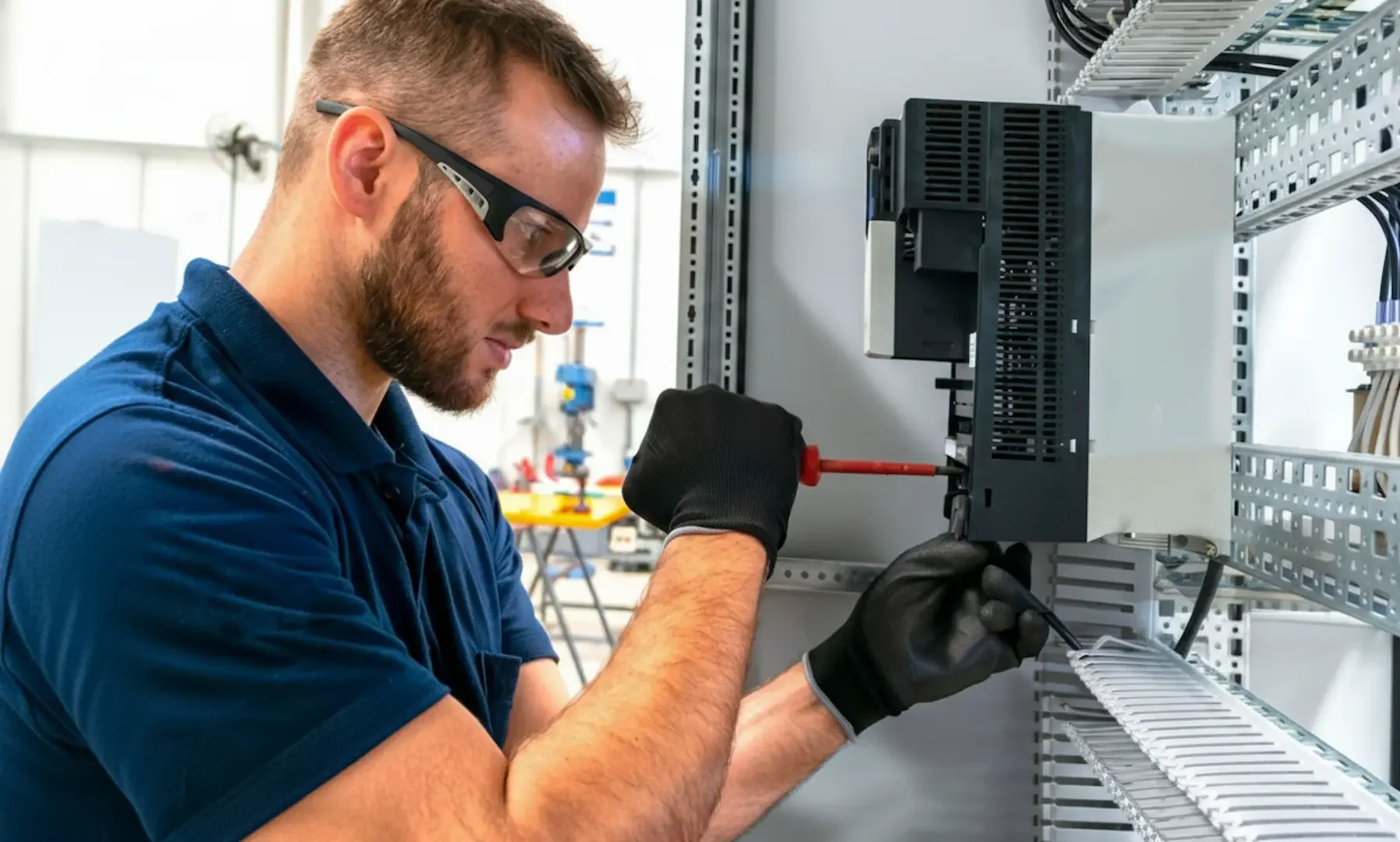
Our response starts with a focused intake to identify life-safety issues, power status, and site access so we can dispatch quickly. The technician arrives with diagnostic tools and common parts, performs an on-site safety assessment, isolates the fault, and recommends either an immediate repair or a safe temporary fix. We complete code-compliant repairs, test the affected circuits, and leave a concise report with any follow-up recommendations. This workflow reduces downtime and sets clear expectations from arrival to resolution.
Why Choose a Licensed Master Electrician for Urgent Emergency Electrical Service?
A licensed Master Electrician brings technical experience, code knowledge, and liability protection to emergency repairs. Licensing helps ensure work meets code and passes inspection; insurance covers accidental damage. Experienced electricians find root causes—important after storms or repeated trips—so problems don’t keep coming back. Choosing NECA-certified professionals lowers risk and improves long-term reliability.
What Types of Emergency Electrical Service Are Offered in Suffolk County?
Emergency electrical service in Suffolk County covers everything from simple resets to complex panel and wiring repairs, restoring safe power quickly. Residential work includes diagnosing tripped breakers, fixing outlets/GFCIs, and panel repairs. Commercial services tackle distribution troubleshooting, emergency lighting, and transfer-switch work. Technicians focus on life-safety first, using secure temporary repairs when needed and following code for permanent fixes. The table below summarizes common scenarios, likely causes, and immediate repair steps.
| Problem Type | Likely Cause | Immediate Repair Scope |
|---|---|---|
| Tripped breaker repeats | Overload, short circuit, or failing breaker | Isolate the circuit, test the load, replace the breaker or remove the faulty device |
| Burning outlet or smoke | Overheated connection or insulation failure | Cut power, replace the receptacle, repair wiring, remove the heat source |
| Flickering lights | Loose connection or voltage drop | Tighten connections, test bus voltage, repair the fixture or conductor |
| Complete power loss | Service drop damage, main breaker fault, or panel failure | Inspect service equipment, replace failed components, coordinate with the utility |
This table shows how technicians prioritize stopping hazards and restoring safe operation. After stabilizing the system, a licensed electrician will recommend permanent repairs or upgrades to prevent future emergencies and improve reliability.
How Are Tripped Breakers and Power Outages Diagnosed and Fixed?
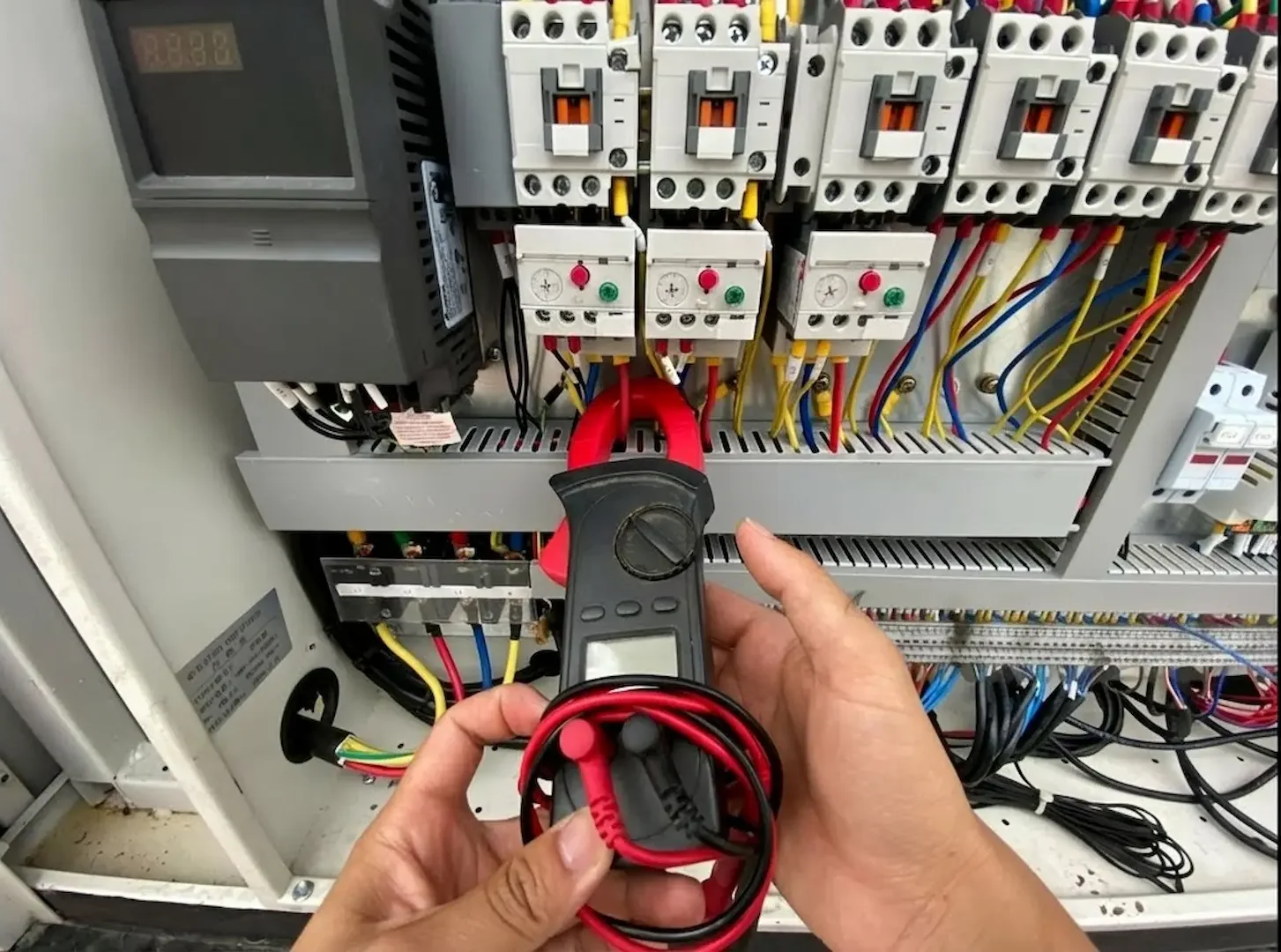
We diagnose trips and outages by isolating affected circuits to determine if the issue is load-related or a ground/short fault. Technicians use tests such as load simulation, insulation resistance checks, and thermal imaging to find failing breakers, overloaded circuits, or damaged wiring. Immediate fixes may include replacing breakers, redistributing loads, repairing conductors, or installing temporary safety measures until a full upgrade can be scheduled. For older or repeatedly failing equipment, we typically recommend panel replacement or reconfiguration to remove chronic outage sources.
What Commercial Emergency Electrical Services Are Available?
Commercial emergency electrical service emphasizes business continuity—protecting emergency lighting, critical feeds, and transfer-switch operations. Our rapid-response procedures and coordination with facility teams minimize revenue loss and safety exposure while following OSHA electrical safety standards. We handle urgent transfer-switch repairs, temporary power setups, and fast component replacement. Service agreements and priority response options provide faster SLAs and organized follow-up to meet inspection and insurance needs.
How Can You Prevent Electrical Emergencies with Panel Upgrades and Maintenance?
Preventing emergencies starts with planned upgrades, regular maintenance, and correctly sized backup systems. As homes and businesses add high-demand devices, older panels can be undersized. Routine inspections reveal overloaded circuits, corrosion, and unsafe wiring—fixing these proactively prevents many emergency calls. Simple maintenance like tightening connections and testing breakers reduces nuisance trips and uncovers components nearing failure. The table below outlines common upgrade choices and their main safety and reliability benefits, aligned with Energy.gov energy-efficiency principles.
| Upgrade Option | Key Attribute | Primary Benefit |
|---|---|---|
| Main panel replacement | Modern breaker types and updated bus | Reduces fire risk and supports higher electrical loads |
| Subpanel addition | Dedicated circuits for high-demand devices | Prevents overloads and isolates critical systems |
| Breaker-to-code replacement | New GFCI/AFCI breakers | Improves shock and arc-fault protection |
| Automatic transfer switch install | Seamless backup power switching | Minimizes downtime during outages |
Choosing the right upgrade lowers emergency frequency and improves safety while supporting growth like EV charging. Routine maintenance and documented upgrades also make inspections and future repairs smoother.
Why Are Electrical Panel Upgrades Critical for Safety and Reliability?
Panel upgrades matter because older panels often lack modern protective devices and can’t handle today’s combined loads from EV chargers, HVAC systems, and Energy Star appliances. Upgrades give you better circuit protection, stronger connections, and clearer labeling—reducing heat buildup and arcing that cause fires. New panels stabilize distribution, cut nuisance trips, and allow AFCI/GFCI protection that lowers emergency calls and long-term service costs.
How Does Generator Transfer Switch Installation Support Emergency Preparedness?
A properly installed generator transfer switch keeps backup power isolated from utility lines and prevents dangerous backfeed. An automatic transfer switch senses grid loss and switches to generator power quickly, keeping essential systems running. Installation requires matching generator capacity and pulling permits so the integration is safe and code-compliant. Pairing a generator with the right transfer switch gives you resilience and reduces reliance on emergency service during larger outages.
What Should You Do During an Electrical Emergency in Suffolk County?
In an electrical emergency, put safety first: isolate power if it’s safe, keep people and pets away, and avoid actions that increase shock or fire risk. Immediate steps include turning off affected circuits when safe, evacuating if there’s smoke or fire, and calling emergency services when needed. Clear, specific information helps responders and electricians come prepared. The steps below offer a simple sequence for residents and staff, informed by ESFI home electrical safety guidance.
Follow these immediate actions if you suspect an electrical emergency:
- Shut off power to the affected area if safe: Use the breaker panel to cut power to the hazard and avoid touching anything with wet hands.
- Evacuate and call emergency services for fire or electric shock: People’s safety comes before saving property.
- Do not touch burned or sparking equipment: Keep everyone clear and do not try to repair it yourself.
- Call a licensed emergency electrical service provider with clear details: Tell us the location, what you see or smell, and how to access the property to speed response.
What Immediate Safety Steps Should Homeowners Take?
Homeowners should first move people away from the danger zone. Only if you’re comfortable and it’s safe, shut off the main or the specific circuit to stop arcing and limit fire spread. Never use water on electrical fires—call 911 and wait for responders. Avoid DIY wiring fixes and don’t keep using malfunctioning devices; these actions can make damage worse and affect insurance. After the scene is secure, be ready to tell the arriving technician which appliances were running and any earlier signs like buzzing or warmth.
When and How to Contact RJ & Son Electric for Urgent Emergency Electrical Service?
For urgent emergency electrical service, call our main contact number to request immediate dispatch. We operate 24/7 for emergencies—describe plainly what’s wrong, which circuits or areas are affected, and any life-safety concerns. If there’s fire or injury, call emergency services first. Having these details ready helps us prioritize and arrive prepared:
- Clear description of symptoms and visible signs
- Which outlets, rooms, or equipment are affected
- Whether you shut off power or used temporary measures
- Any access instructions for the technician

Where Does RJ & Son Electric Provide Emergency Electrical Service in Suffolk County?
RJ & Son Electric responds to emergency calls across Suffolk County. Our local knowledge of area infrastructure and common failure modes shortens parts sourcing and ETAs. The table below shows representative towns, typical emergency calls, and response notes to help set expectations.
| Town | Typical Emergency Calls | Estimated Response Consideration |
|---|---|---|
| Smithtown | Repeated breaker trips, storm-damaged service | Suburban access with moderate ETA; same-day parts often available |
| Stony Brook | Flickering lights, overheating outlets | Older homes may need panel work; inspections sometimes required |
| Huntington | Power loss and transfer-switch failures | Closer to suppliers—often faster repair turnaround |
| Riverhead | Service drop damage after storms | Rural runs may need utility coordination for full restoration |
Which Towns and Communities Are Covered?
We serve a broad range of Suffolk County towns. Response times depend on distance, time of day, and call priority. Urban areas typically have shorter ETAs; rural or storm-affected locations may need coordination with utilities. Giving a precise address during intake helps us route the closest qualified technician.
How Does Local Expertise Enhance Emergency Electrical Service Quality?
Local providers bring advantages: familiarity with regional building types, common wiring-age issues, and established relationships with suppliers and inspectors. That experience leads to faster, more accurate diagnoses and repairs that match local code expectations—reducing repeat visits. During storms or large outages, local crews use practical triage to protect critical circuits and prioritize vulnerable customers, improving reliability and speeding recovery.
Frequently Asked Questions
What should I do if I experience a power outage?
First, check whether neighbors are affected to see if it’s a wider outage. If the outage is only at your home, look for tripped breakers and reset them safely. If power doesn’t return or you notice burning smells or exposed wiring, avoid candles and open flames and call a licensed emergency electrical service provider. Always call emergency services if you see smoke or fire.
How can I prepare for potential electrical emergencies?
Prepare by keeping your panel up to date and able to handle current loads, scheduling regular inspections, and maintaining wiring and outlets. Install surge protection where needed and make an emergency plan that lists a licensed electrician’s contact info and the signs to watch for, following CPSC safety guidance. A properly installed generator with a transfer switch also reduces disruption during outages.
What are the risks of ignoring electrical issues?
Leaving electrical problems unaddressed can lead to fires, shock hazards, and costly property damage. Flickering lights or frequent breaker trips often point to deeper faults that can worsen if ignored. Delaying repairs may increase long-term costs and cause insurance or code complications. Address issues promptly with a licensed emergency electrical service provider to protect occupants and stay code-compliant; see additional prevention tips from ESFI.
How often should I have my electrical system inspected?
We recommend an inspection every 3–5 years, or sooner if you notice flickering lights, frequent trips, or burning smells. Older homes and properties with outdated wiring may need checks more often. After storms or major renovations, a thorough inspection can catch issues early and keep systems safe and reliable.
What are the benefits of upgrading my electrical panel?
Upgrading your panel improves safety, increases capacity for modern appliances, and boosts reliability. Newer panels offer stronger circuit protection, reduce fire risk, and allow additional circuits for high-demand devices. A panel upgrade can lower emergency calls, improve performance, and reduce long-term service costs.
Can I perform electrical repairs myself?
Simple tasks—like changing a light bulb—are fine for homeowners. Most electrical repairs, however, should be handled by licensed professionals. DIY work can create shock and fire hazards, may violate local codes, and could affect insurance. For anything beyond basic maintenance, call a licensed emergency electrical service provider to ensure safety and proper compliance.
What should I do if I smell burning from an outlet?
If you smell burning from an outlet, stop using devices plugged into it and, if safe, turn off the circuit for that area. Don’t touch the outlet or devices—they may be hot or energized. Evacuate and call emergency services if you see smoke or flames. Once it’s safe, contact a licensed emergency electrical service provider—burning smells often indicate urgent electrical problems that need immediate attention.