Electrical repair work in Suffolk County covers everything from a simple outlet replacement to complex rewiring and emergency calls. This guide helps homeowners understand the pieces that make up a repair — labor, parts, permits, diagnostics, and after-hours response — so you can compare quotes and know when to call a licensed electrician. We always follow professional safety standards. For general home electrical safety tips, see resources like the Electrical Safety Foundation International, and if you’re looking to save over the long run, review basics of efficient home design.
What does typical electrical repair work look like in Suffolk County, NY?
Local electrical repair work ranges from quick device swaps to full circuit rewiring. Most jobs are driven by a few predictable items: labor time, the parts needed, and any permits or inspections. Small repairs are usually straightforward; medium- and large-scale jobs take more time and coordination.
Below are common repair types and the main things that affect their cost and timeline.
Simple outlet or switch replacements are usually quick. Hidden wiring faults, service-panel work, or jobs that require drywall repairs and coordination with utilities are more involved. Labor and diagnostic time have a big effect on the final price.
How does an electrician’s hourly rate affect the final cost?
Hourly rates directly influence electrical repair work — experienced technicians cost more, but they can diagnose and fix problems faster and safer. Most companies also factor in a minimum call-out or diagnostic fee. Always discuss pricing structure (hourly vs. flat-rate) before work begins.
Understanding hourly rates helps when comparing quotes that combine labor, parts, and any permit fees.
What are common types of electrical repairs in Suffolk County?
Electrical repair work varies by the materials involved and how accessible the wiring is. Straightforward device swaps, like outlets or switches, usually take little time. Problems hidden behind walls or in ceilings require more troubleshooting, repair, and sometimes restoration work. Typical repairs include outlet/switch replacement, circuit troubleshooting, panel work, and wiring repairs.
When a job needs access behind walls or coordination with the utility company, expect more time and higher cost. Always request a detailed breakdown in the estimate so you know what’s included.
Which factors influence electrical repair costs in Suffolk County?
Electrical repair work is driven by several consistent factors: labor, materials, permits, job complexity, travel time, and emergency status. These elements determine how long the job takes, whether inspectors are involved, and whether other trades need to be scheduled. Understanding them helps you prioritize repairs and compare contractors fairly.
Primary factors that influence electrical repair work, with short explanations:
- Labor and hourly rate: More experienced electricians typically charge more, which reflects diagnostic skill and speed.
- Materials: Special-order parts or long-lead components add cost and delay.
- Permits and inspections: Town permits come with specific requirements and inspection scheduling. For broader guidance, see the NECA codes and standards overview.
- Accessibility and complexity: Concealed wiring, finished surfaces, or multiple trades increase labor and restoration needs.
- Travel and dispatch: Long drives or remote locations can add trip charges or minimums.
These variables explain why two similar-looking jobs can end up with very different estimates. The next section shows how that plays out in real situations.
How do job complexity and repair type change the cost?
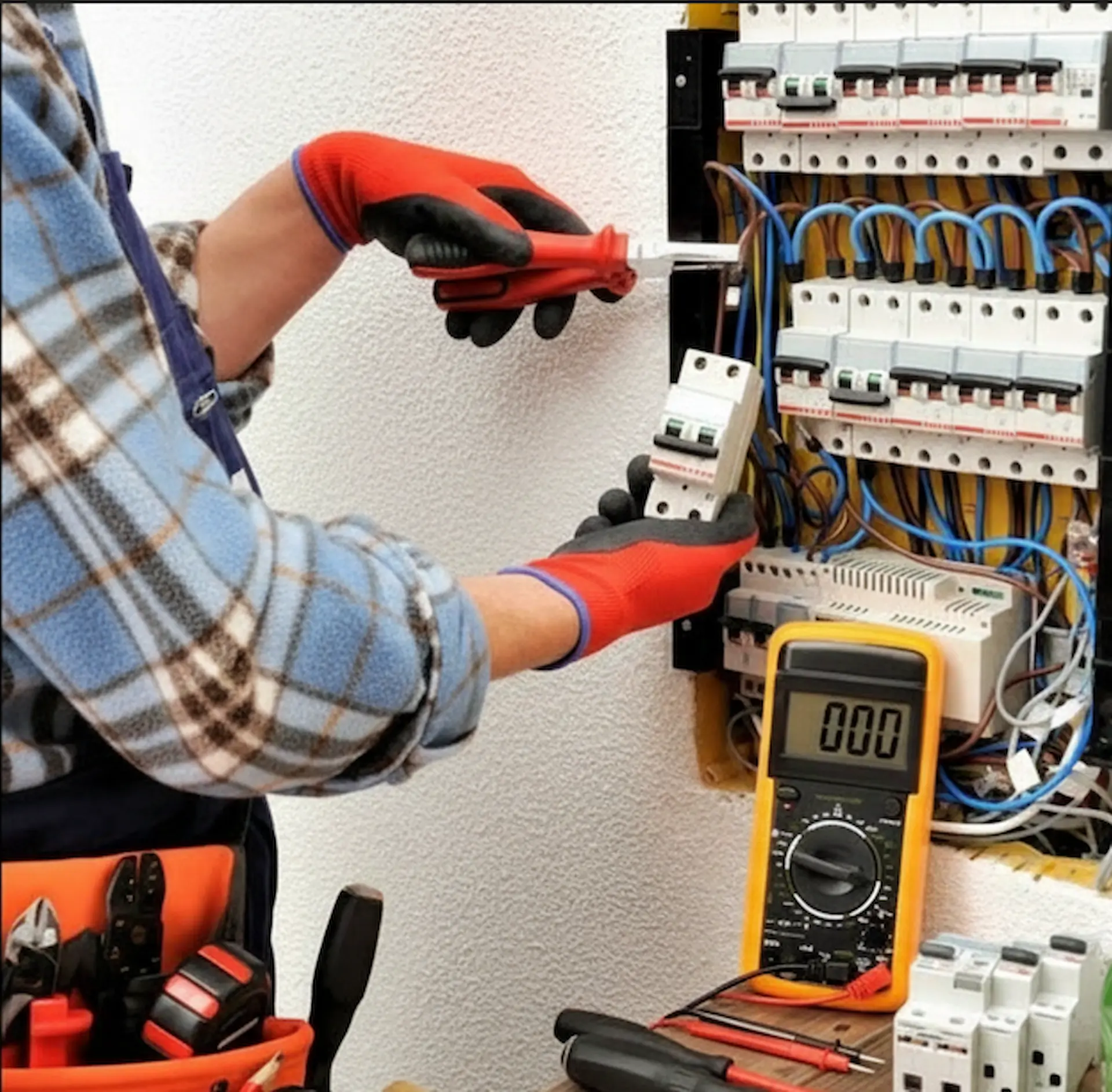
Complex jobs raise electrical repair costs because they require more diagnostic time, extra labor, and often coordination with other contractors or the utility. Simple replacements rarely need permits, while panel upgrades and hidden wiring repairs often do — adding time and scheduling considerations.
If you can spot indicators of complexity (old wiring, limited access, or previous DIY work), share those details with your electrician so the proposal accurately reflects the work and reduces unexpected change orders.
What impact does emergency service availability have on costs?
Emergency availability affects electrical repair pricing because after-hours, weekend, or holiday calls require rapid response and staffing changes. Emergency fees, minimums, and premium hourly rates are common. For true hazards — sparking, burning smells, or exposed live wiring — emergency service is appropriate despite higher costs.
The next section explains typical emergency-service components and how they factor into the overall price.
Call-out fees, after-hours hourly rates, and minimum charges combine to form emergency electrical repair pricing. Knowing these elements helps homeowners understand total costs before requesting immediate dispatch.
Panel upgrades and electrical repair work on Long Island
Electrical repair work for panel upgrades on Long Island is typically more extensive and requires careful planning. Cost depends on service size, the condition of existing equipment, meter and grounding work, and local permit rules. Older homes often hide additional issues that increase scope and price.
Understanding component-level factors will help you plan an upgrade. Jobs that require utility coordination or reveal aged wiring usually expand the overall scope of the repair.
What key components affect panel upgrade costs?
Panel upgrades — a major type of electrical repair work — involve the panel itself (modern panelboards), circuit breakers, conductors, meter and grounding work, and permits. Difficult access or required utility coordination raises complexity and cost. Ask your contractor for a detailed service breakdown before work begins.
Knowing these drivers helps you ask the right questions and budget properly if your equipment is dated or damaged.
How does your Suffolk County location affect upgrade costs?
Your town affects electrical repair work through travel time, local inspector policies, permit turnaround, and logistics. Dense neighborhoods and historic districts can have different requirements than newer or remote areas. Town-specific rules and scheduling affect final cost and timeline.
Pointing out site-specific constraints early helps contractors include accurate travel and staging allowances in their proposals and reduces surprises on the invoice.
Many modern homes need special installs like EV chargers, which often require panel capacity upgrades and dedicated wiring — factors that increase overall electrical repair scope. If you’re planning an EV charger installation, consider ENERGY STAR–rated equipment for efficiency.
Emergency electrical repair in Suffolk County, NY
Emergency electrical repair in Suffolk County typically includes call-out fees, higher hourly rates for after-hours work, and rush-part charges to ensure quick response. Safety must guide emergency decisions — don’t postpone life-safety repairs because of cost concerns.
This breakdown clarifies how dispatch and hourly factors shape emergency pricing so you know what to expect when you call for urgent help.
How are emergency call-out fees calculated?
Call-out fees combine travel, staffing, and immediate-availability needs, which all influence electrical repair pricing. These fees reflect the time and resources required to respond outside normal scheduling. Ask for a short estimate or scope summary to set expectations before dispatch.
Understanding the details helps you decide whether an emergency visit is required or if a scheduled appointment will suffice.
What time-of-day factors affect emergency pricing?
Time matters: nights, weekends, and holidays usually trigger additional charges and minimums for electrical repair. Peak demand days, like holidays, typically carry the highest premiums. Where possible, plan non-urgent work during regular business hours to avoid extra fees.
Knowing these timing factors helps you schedule maintenance strategically and control overall costs.
Keeping power on is important. Whole-home generator work requires a professional generator transfer switch installation, which should always be performed by a licensed electrician for safety and code compliance.
How can homeowners get an accurate view of repair costs?
Get a clear estimate for electrical repair work by documenting symptoms, photographing the problem area, noting circuit labels, and collecting multiple detailed proposals. A simple checklist helps electricians narrow diagnostics without inflating contingencies. Use it before contacting contractors.
- Document the issue and timeline: Write down what happened, when it started, and any patterns.
- Photograph affected devices and visible labels: Photos cut diagnostic time.
- Note circuit or breaker details if known: This speeds troubleshooting.
- Request detailed proposals (labor, parts, permits, exclusions): Compare like-for-like.
- Ask about warranties and post-repair testing: That protects you from repeat problems.
This checklist clarifies scope, reduces surprises, and helps you manage your electrical repair work. The next section lists the practical questions to ask your electrician.
What should I ask my electrician about an estimate?
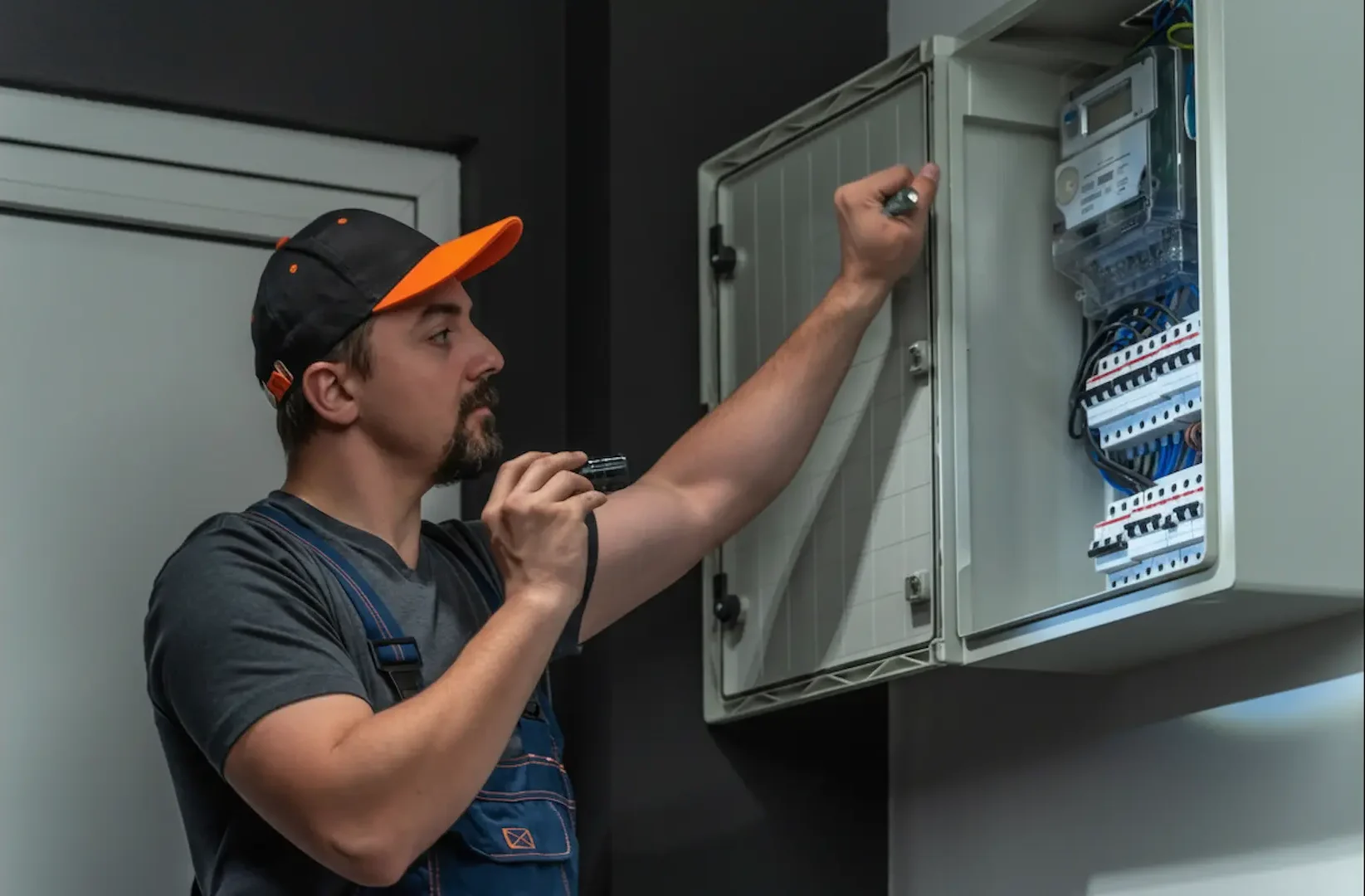
Clear, focused questions bring transparency to electrical repair work. Ask whether the quote is flat-rate or hourly, about service minimums, parts availability and lead times, permit responsibilities, and any required utility coordination. Ask for proof of certification and insurance if you need it.
How can I make repairs more efficient and lower overall cost?
Optimize electrical repair work by bundling repairs into one visit, scheduling during regular hours, preparing work areas for access, and collecting multiple detailed proposals. Avoid contractors who skip permits or use uncertified parts, which can lead to costly rework. For broader efficiency tips, check guidance from the EPA.
- Bundle and schedule: Combine small jobs to avoid multiple trip fees.
- Prepare access: Clear the work area so technicians can work safely and quickly.
- Compare detailed proposals: Make sure labor, parts, and permit costs are spelled out.
These steps keep costs down without cutting corners on safety. Open communication with your contractor prevents unexpected additions to the job.
Frequently asked questions
1. What should I do if I need emergency electrical repair?
For immediate hazards (sparking, burning smells, sudden power loss), act quickly and safely. If you can, shut off the circuit at the panel. Then call a licensed emergency electrician straight away. Prioritize safety over cost — life-safety issues shouldn’t wait.
2. How can I find a reliable electrician in Suffolk County?
Ask neighbors and friends for recommendations, read online reviews, and confirm licenses and insurance at reputable sites like NECA. Request references and multiple proposals, and make sure the contractor has experience with your specific job.
3. Are permits required for electrical repairs?
Often, yes — especially for panel upgrades, new circuits, and major alterations. Permits ensure work meets local codes and that inspections verify safety. Many electricians will pull permits for you; confirm this in writing beforehand.
4. How do I know if I need a panel upgrade?
Common signs include frequent breaker trips, dimming lights when appliances run, or an older fuse box or sub-100 amp service that struggles with modern loads. Adding major equipment like EV chargers is another reason to upgrade.
5. How should I prepare for an electrician’s visit?
Write down symptoms, clear the work area, and gather any records like previous repair notes or panel labels. Having details and questions ready saves diagnostic time and helps the electrician give a more accurate estimate.
6. What happens during an electrical inspection?
An electrician inspects wiring, outlets, and the panel for safety and code compliance. They check for wear, outdated components, and potential hazards. After the inspection you’ll get a report with recommended repairs and priorities.
7. Can I do my own electrical repairs?
Simple tasks like changing a light bulb or replacing a faceplate are safe for most homeowners. Most electrical work, however, should be done by a licensed professional — improper repairs can create hazards, void insurance, and lead to costly fixes. When in doubt, call a licensed electrician.