
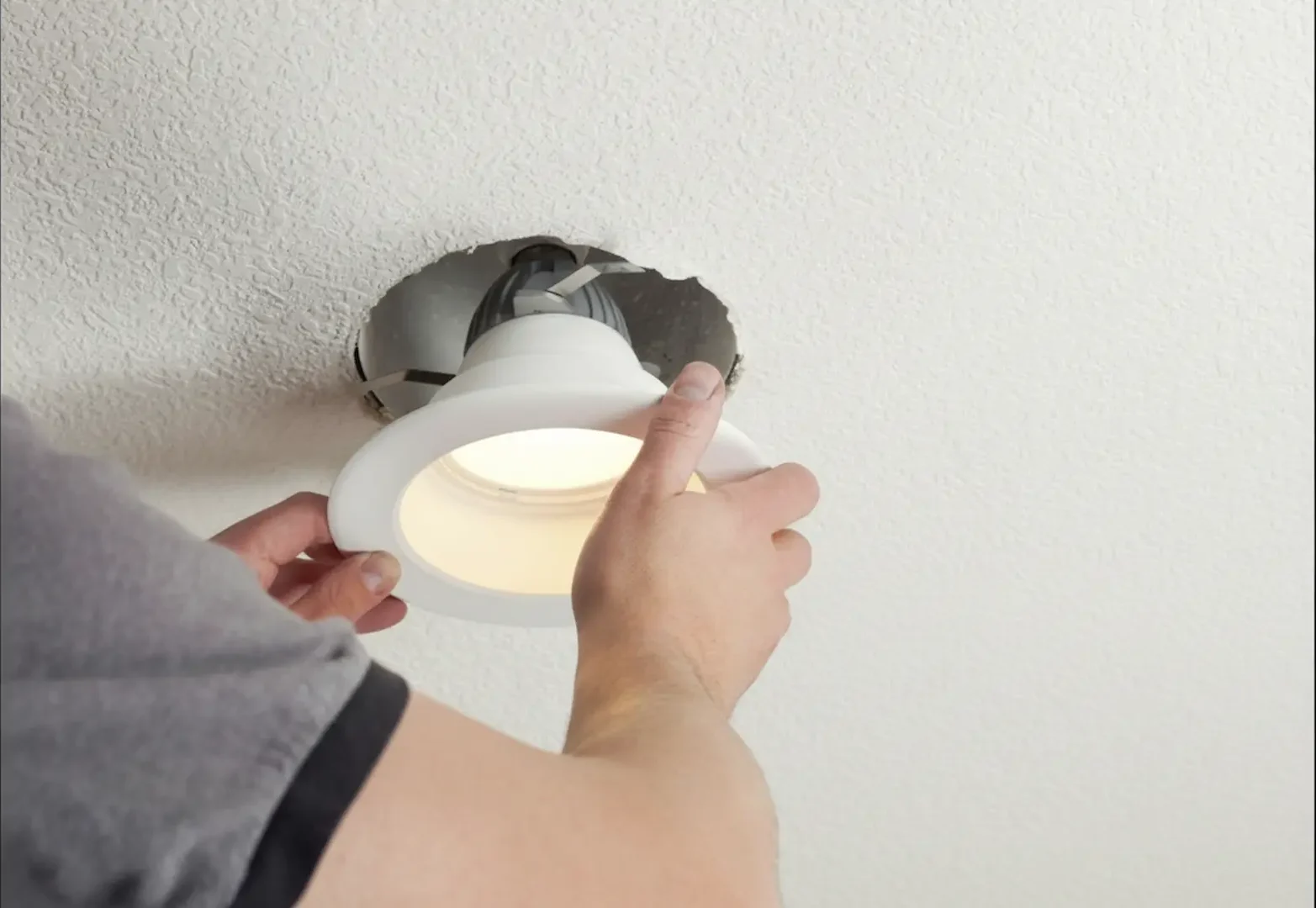
Emergency Electrician services are crucial for immediate electrical faults threatening people, property, or systems. This guide covers spotting urgent problems, safe actions while waiting, and how a licensed 24/7 emergency electrician responds. Learn key warning signs—burning odors, sparks, breaker trips, power loss—how to secure your home, and what a Master Electrician does. We also cover common repairs, licensing, insurance, and next steps.
Key Signs of an Electrical Emergency Needing an Emergency Electrician
Spotting electrical warning signs quickly protects people and property. We list common symptoms, their urgency, and when to call an emergency electrician for fast, safe decisions.
- Burning smells or smoke: Persistent electrical burning odor or visible smoke indicates overheated wiring or arcing. If safe, shut off power and call an emergency electrician.
- Visible sparks from outlets or switches: Sparks signal arcing or loose connections, a fire risk. Contact an emergency electrician immediately.
- Frequent circuit breaker tripping: Repeated trips often point to overloaded circuits, shorts, or failing breakers, raising fire risk. An expert emergency electrician should diagnose.
- Partial or complete power loss: Sudden power loss indicates panel failure, service issues, or dangerous shorts. Quick diagnosis from a licensed emergency electrician is vital.
- Outlets or faceplates hot to the touch: Heat signals excessive current, poor connections, or overloaded devices. Get immediate evaluation from an emergency electrician.
These issues worsen fast. If you see smoke or flame, evacuate and call 911 first. Knowing warning signs helps you act safely while waiting for a professional emergency electrician.
Burning Smells and Sparks: Electrical Danger Indicators for an Emergency Electrician
Burning smells and visible sparks usually come from overheated components, loose terminals, damaged insulation, or arcing. Overloaded circuits create heat, igniting materials. A licensed emergency electrician pinpoints hot spots, tests connections, and checks damage. Actions include isolating circuits, cooling parts, and temporary stabilization. These are professional repairs—no DIY fixes on live wiring.
Understanding Frequent Circuit Breaker Tripping and Your Emergency Electrician
Frequent breaker trips are usually caused by overloads or faults. An emergency electrician measures current, inspects loads, and tests insulation to find the root cause. Short-term fixes include redistributing loads or replacing a failed breaker. Long-term solutions involve load balancing, adding dedicated circuits, or upgrading an undersized panel. Proper diagnosis is essential—recurrent trips hide serious wiring problems.
Before Your Emergency Electrician Arrives
Taking safe steps immediately protects people, property, and speeds technician work. Below explains how to secure the scene, gather information, and avoid dangerous actions until a licensed emergency electrician arrives.
Many homeowners aren’t prepared for serious electrical events; a simple plan helps. For general safety resources, see the Electrical Safety Foundation International (ESFI).
Homeowner Emergency Preparedness for Household Fires
Household fires and electrical emergencies cause serious injury and loss. Many homes lack a clear plan — knowing when to call an emergency electrician keeps people safer.
- Evacuate and assess safety: If you see smoke, flames, or intense heat, leave the building and call emergency services. Personal safety comes first.
- Shut off power if safe: Only turn off the main breaker or affected circuit if safe from smoke or live parts. Isolating power limits damage while waiting.
- Isolate appliances and document: If safe, unplug nonessential devices on the affected circuit and take photos or notes. This helps your emergency electrician diagnose faster.
- Clear access and prepare documentation: Keep the path to your electrical panel clear, gather service records, and note recent electrical changes for the technician.
- Stay available and avoid re-energizing: Keep your phone handy; don’t restore power until a licensed emergency electrician inspects the system.

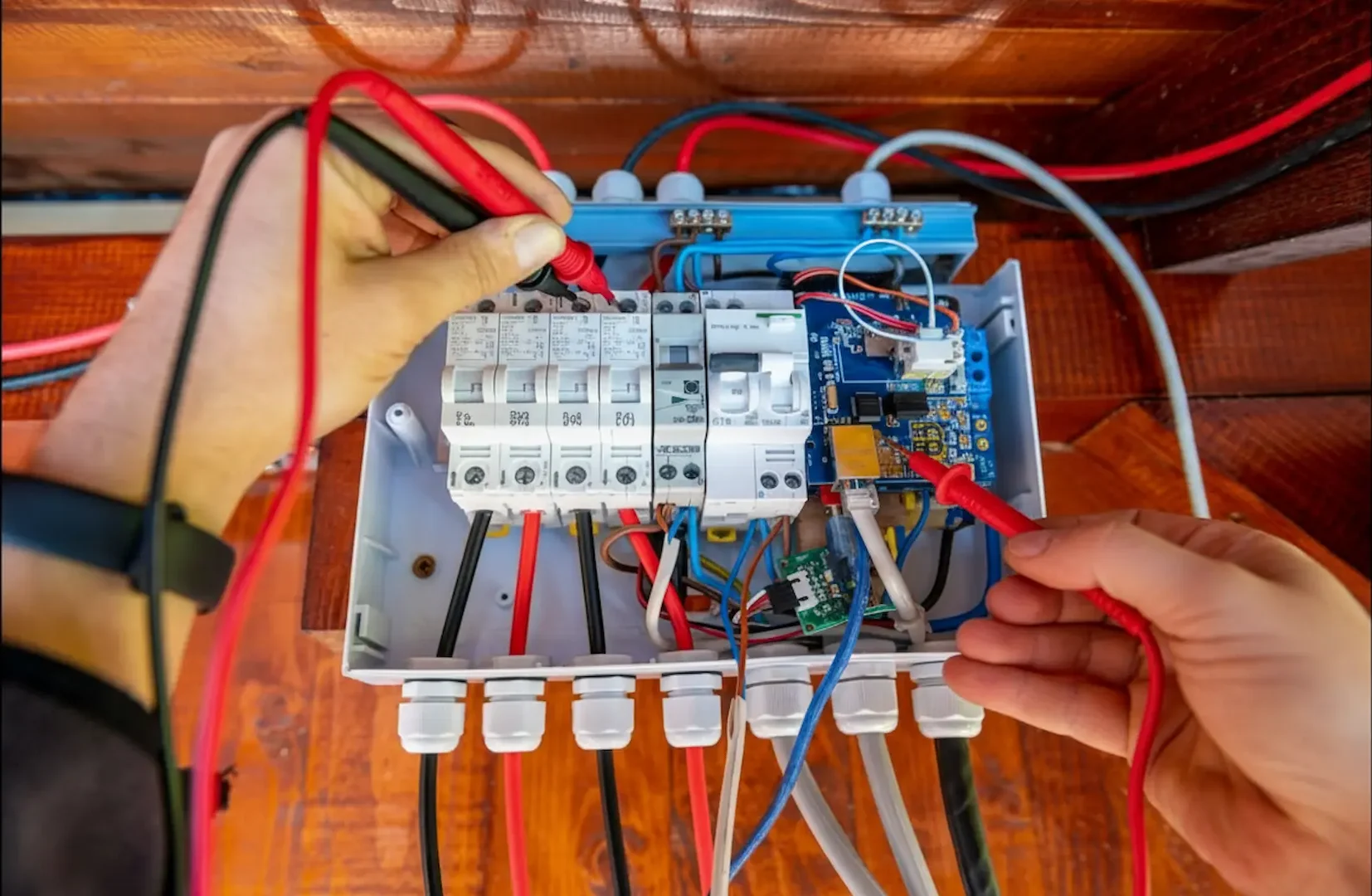
Following these steps improves safety and speeds diagnosis. Photos and clear access let the electrician work efficiently. After securing the scene, contact a licensed 24/7 provider for immediate assistance.
| Action | When / Why | How-to & Safety Notes |
|---|---|---|
| Evacuate & Call 911 | Visible fire or heavy smoke | Leave immediately; call emergency services; don’t go back inside. |
| Shut off main or circuit breaker | If safe and no smoke | Use flashlight, stand on dry ground, avoid metal; switch individual circuit off first. |
| Unplug appliances | When outlets or devices are hot | Pull plug, not cord; avoid touching hot outlets or melted plugs. |
| Photograph symptoms | Before repair work begins | Take clear photos of panels, outlets, wiring, and any visible damage. |
| Clear access to panel | To speed diagnostics | Move furniture/pets; leave flashlight and safe path to panel. |
If you need a licensed 24/7 responder in Suffolk County, RJ & Son Electric offers emergency electrician service. Following safety steps and calling an insured provider ensures code-compliant temporary measures and a clear plan for permanent repair.
Safely Shutting Off Power and Preventing Hazards Before Your Emergency Electrician Arrives
To shut off power, find your main service panel, use a flashlight. Turn off the individual circuit first; if widespread, switch the main breaker. Wear dry shoes, stand on non-conductive surface, avoid exposed wiring. If flames or heavy smoke, evacuate; let first responders handle it. After shutdown, keep water away from electrical parts and panel area clear. These steps reduce shock risk and preserve evidence.
Contacting Emergency Services with Your Emergency Electrician for Coordinated Response
Call emergency services immediately for active fires, heavy smoke, structural damage, or electrical injuries. These incidents need a coordinated response from fire/EMS and a licensed emergency electrician. First responders focus on life safety; the electrician advises on electrical isolation. Tell your electrician if fire/EMS are en route for coordinated response and containment.
RJ & Son Electric: 24/7 Emergency Electrician Repair Process
Our licensed emergency electricians follow a clear workflow: secure the site, diagnose the cause, apply temporary measures, and plan permanent repairs. This sets expectations for arrival, actions, and next steps when you call for an emergency electrician.
- Call intake and triage: Dispatch collects symptoms, safety concerns, and location to prioritize response and give an ETA.
- Rapid dispatch and arrival: A licensed technician arrives with tools, PPE, and diagnostic equipment for an initial safety assessment.
- On-site diagnostics and stabilization: The emergency electrician finds the fault, isolates the hazard, and applies temporary stabilization.
- Repair planning and transparent estimate: Once safe, the technician reviews repair options and provides a clear estimate before non-emergency work.
- Testing and follow-up: Repairs are tested and documented, with recommendations for follow-up work or upgrades.
This staged approach places life-safety first, then technical remediation, and finishes with verification and documentation. A licensed, insured provider ensures all work follows code and recommends durable permanent solutions.
| Stage | What Happens | Outcome / Client Expectation & Timeline |
|---|---|---|
| Intake & Triage | Symptoms collected and prioritized | ETA shared and safety guidance provided. |
| Dispatch | Technician mobilized with tools | Arrival with PPE and diagnostic gear. |
| Assessment | Visual and instrument testing | Hazard identified and isolated; risks reduced. |
| Stabilization | Temporary repairs or isolation | Safe environment established; estimate provided. |
| Repair & Test | Permanent repair or scheduled follow-up | System tested; documentation and next steps given. |
RJ & Son Electric is a licensed, insured Master Electrician service in Suffolk County. We prioritize clear communication, honest pricing, and quality workmanship. For immediate assistance, describe symptoms, fire/EMS involvement, and confirm main panel access.
Our Step-by-Step Emergency Electrician Response Process
Emergency calls start with triage for life-safety needs. A licensed technician arrives with PPE and testing tools, performs a safety sweep, isolates the fault, and runs diagnostics. If an immediate hazard exists, we apply temporary stabilization. The electrician then walks you through repair options and provides a written estimate. Final steps include testing, documenting work, and arranging follow-up or upgrades.
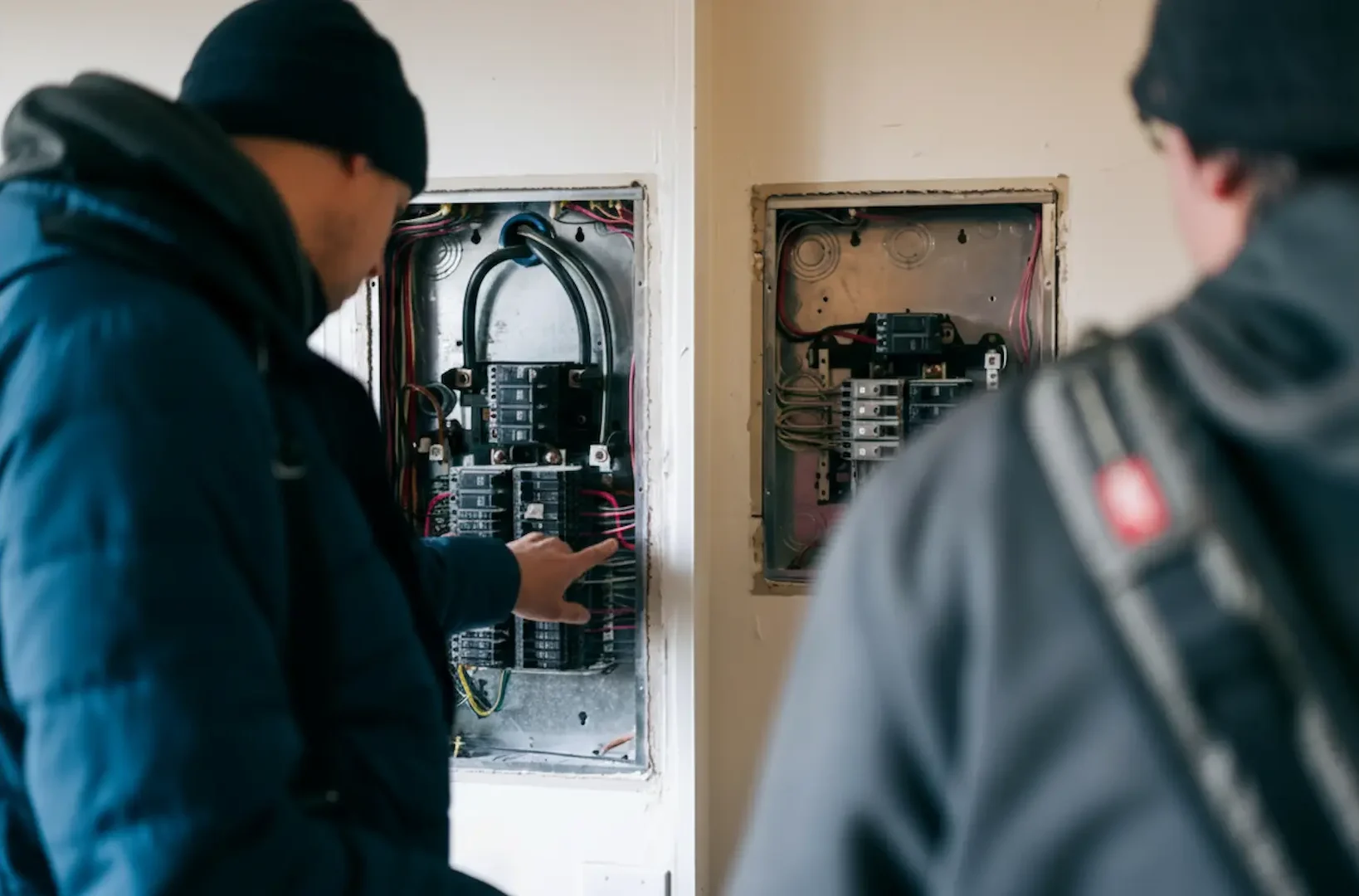
Master Electrician Richard Gruttola: Safety and Quality Assurance in Emergency Electrician Work
Our Master Electrician brings NEC knowledge and field experience to every urgent repair. This includes selecting protective devices, verifying connection torque, confirming conductor sizing, and deciding between temporary containment and permanent fixes. The Master Electrician documents findings, explains risks/options, and ensures repairs meet insurance/safety standards. Hiring a licensed, insured professional minimizes owner liability and restores safe, reliable service.
Common Electrical Emergencies Needing an Immediate Emergency Electrician
Some failures present immediate danger or knock out essential systems. Recognizing these lets you call for expert help quickly. The table below compares common emergencies by cause, symptoms, and typical on-site fixes.
| Emergency Type | Typical Cause / Symptoms | Typical On-Site Fix / Urgency |
|---|---|---|
| Burning wiring / smoke | Overheated conductors, loose connections | Isolate circuit, replace wiring; high urgency. |
| Sparking outlets | Arcing, loose terminals, damaged receptacle | Replace outlet, repair wiring; urgent. |
| Panel failure / trips | Faulty breakers, overloaded panel, corrosion | Replace breaker, stabilize temporarily, consider panel upgrade; high priority. |
| Complete power loss | Service drop issue, main breaker failure | Inspect service, isolate fault; coordinate with utility; urgent. |
| Generator transfer switch failure | Faulty switch, improper wiring | Repair or replace transfer switch; urgent for homes relying on backup power. |
Diagnosing and Fixing Power Outages and Panel Issues with an Emergency Electrician
Diagnosis starts with inspecting service entrance, conductors, and breakers for overheating, corrosion, or damage. An emergency electrician uses meters/testers to locate faults. Immediate fixes include replacing bad breakers, tightening connections, or isolating damaged components. If a panel is undersized or failing, we’ll recommend an upgrade. Service-side issues may involve the utility; your electrician will advise and coordinate.
Beyond emergency repairs, many homes need upgrades for modern loads like EV chargers. Installing an EV charger may require panel and wiring changes. A correctly installed generator transfer switch ensures safe backup power during outages, often handled by the emergency electrician.
Flickering Lights and Sparking Outlets: Solutions from an Emergency Electrician
Flickering lights usually come from loose connections, voltage drop, or failing fixtures/dimmers. Sparking outlets indicate arcing from loose terminals, damaged receptacles, or deteriorated wiring. Troubleshooting involves isolating, checking connections, and measuring voltage. Quick fixes include replacing bad receptacles or tightening terminals. Persistent problems point to deeper wiring or panel issues needing immediate professional attention. Proper replacement and rebalancing restore safe operation.
| Emergency Type | Cause / Symptoms | On-Site Fix / Urgency |
|---|---|---|
| Flickering lights | Loose connections, overloaded circuit | Tighten or replace fixtures; moderate to high urgency. |
| Sparking outlets | Arcing from loose terminal or damaged outlet | Replace outlet and repair wiring; high urgency. |
| Repeated trips | Overload or short fault | Redistribute loads, replace breaker; assess panel upgrade need. |
| Exposed wiring | Mechanical or pest damage | Isolate circuit and rewire; immediate attention required. |
Why Choose RJ & Son Electric for Suffolk County Emergency Electrician?
Choosing a local, licensed, insured emergency electrician means faster response, clear estimates, and code-compliant repairs reducing future risk. RJ & Son Electric offers 24/7 emergency service in Suffolk County, led by a Master Electrician. Expect straightforward communication, honest pricing, and experienced workmanship.
- Licensed, insured Master Electrician oversight — we follow code and limit owner liability.
- 24/7 availability — prompt stabilization and repairs for urgent failures.
- Local Suffolk County service — faster ETAs and knowledge of regional systems.
- Transparent pricing and clear communication — we explain call-out fees, labor, and parts before non-emergency work.
These advantages help contain hazards faster, get safe repairs, and provide a clear path forward. For urgent situations, our licensed pros diagnose, present options, and provide a transparent estimate before non-critical work.
Benefits of Licensed, Insured, and Local Expertise in Emergency Electrician Work
A licensed emergency electrician brings proven skills and code knowledge, ensuring repairs meet standards. Insurance protects technician and homeowner from accidental damage. Local experience shortens response time and provides practical insight. Licensing, insurance, and local presence deliver safer outcomes, proper documentation, and fewer repeat problems.
Transparent Pricing and Fast Response Build Trust in an Emergency Electrician
Transparent pricing spells out call-out fees, diagnostics, labor, and parts, allowing comparison of temporary vs. permanent repairs. Fast, communicated ETAs reduce uncertainty, helping safer choices. Clear explanations of risks, steps, and recommendations build confidence in your provider’s focus on safety and long-term solutions.
Frequently Asked Questions About an Emergency Electrician
What if an electrical emergency happens at night?
Put safety first. If smoke or fire, evacuate and call 911. If safe, switch off main power to limit damage. Take photos, then call a licensed 24/7 emergency electrician for immediate guidance.
How to find a reliable emergency electrician?
Look for licensed, insured companies with strong local reviews and Master Electrician oversight. Verify credentials, ask about local codes, and choose a provider who communicates clearly about risks and costs.
What are the risks of ignoring emergency signs?
Ignoring burning smells, repeated trips, or sparks can lead to electrical fires, property loss, and injury. Problems escalate quickly, so contact a licensed emergency electrician promptly to inspect and fix warning signs.
How to prepare my home for electrical emergencies?
Keep your electrical system inspected, install working smoke detectors, and have a fire extinguisher handy. Make an evacuation plan and teach household members warning signs and when to call an emergency electrician.
What insurance should an emergency electrician have?
An emergency electrician should carry general liability and workers’ compensation insurance. Liability covers property damage; workers’ comp covers injuries. Always ask for proof of insurance.
What commonly causes electrical emergencies?
Common causes include overloaded circuits, faulty wiring, damaged outlets, and equipment failures. Outdated panels, improper installations, water intrusion, and pest damage also contribute. Regular maintenance helps prevent emergencies.
How to ensure safety after an emergency repair?
Request a full inspection and load testing of repaired components, and get written documentation of work and recommendations. Schedule suggested upgrades or routine maintenance to reduce future risk.
Emergency Electrician Cost and Response Time
Costs vary by time of day, diagnostic complexity, parts, and repair scope. Expect a call-out or diagnostic fee plus labor and parts. Response time depends on traffic/distance; local Suffolk County providers usually arrive sooner. For an accurate estimate, describe symptoms, note smoke/fire, and confirm panel access. We explain pricing and timing before non-emergency work.
Can I Safely Attempt Electrical Emergency Repairs Myself?
Do not work on live panels, replace breakers, or repair wiring unless professionally trained. These tasks require knowledge of grounding, bonding, and code-compliant installation. Safe homeowner actions include turning off power if safe, unplugging devices, evacuating for fire risk, and documenting symptoms. Attempting complex repairs without training increases shock, fire, and costly rework. Secure the scene and call a licensed emergency electrician.
| Topic | Brief Description | Recommended Action |
|---|---|---|
| Cost components | Call-out, diagnostic, labor, parts | Ask for an estimate before non-emergency work begins. |
| Response time | Local provider ETA varies | Provide clear access and detailed symptoms to speed arrival. |
| DIY limits | Live-panel work, breaker replacement | Only perform safe isolation steps; evacuate if needed and call a pro. |
| Communication | ETA and step explanation | Expect transparent updates and written documentation. |
If facing an electrical emergency, contact a licensed emergency electrician and follow safety steps to protect people and preserve information for accurate diagnosis.