Upgrading business lighting can reduce electricity use, lower maintenance needs, improve visibility, and give a commercial space a cleaner, more professional appearance. For Suffolk County businesses still relying on older fluorescent, HID, or inefficient lighting, an LED upgrade can be a practical electrical improvement with benefits that continue long after installation.
RJ & Son Electric provides commercial electrical and lighting services throughout Suffolk County. The company is led by Richard Gruttola, a licensed and insured Master Electrician with hands-on experience across residential, commercial, and light industrial electrical work.
Planning a commercial lighting upgrade?
Call RJ & Son Electric at
(631) 833-7663
or
request a quote
for your Suffolk County business.
How Can Upgrading Business Lighting Reduce Operating Costs?
Lighting can account for a meaningful portion of a commercial property's electricity use, particularly in offices, retail stores, restaurants, warehouses, workshops, and other spaces where fixtures operate for many hours each day.
Modern LED fixtures generally produce more usable light for each watt of electricity than older lighting technologies. They can also last longer and work well with controls such as occupancy sensors and dimming systems.
The actual savings from a lighting upgrade depend on the fixtures being replaced, the new equipment selected, operating hours, utility rates, lighting controls, and how the space is used.
Lower Electricity Use
Efficient LED fixtures can provide the required light output while using less electricity than many older fluorescent and HID systems.
Less Routine Maintenance
Longer-lasting lighting can reduce the frequency of lamp changes and maintenance work, particularly in difficult-to-access commercial spaces.
Better Lighting Control
Compatible LED systems can be paired with occupancy sensing, scheduling, dimming, and other controls to reduce unnecessary runtime.
Improved Lighting Quality
The right fixture, output, color quality, and placement can improve visibility and make a commercial environment more comfortable and usable.
The U.S. Department of Energy notes that commercial LED luminaires can provide high luminous efficacy and work with control strategies including occupancy sensing, dimming, task tuning, and daylight-responsive controls. Review DOE commercial LED guidance .

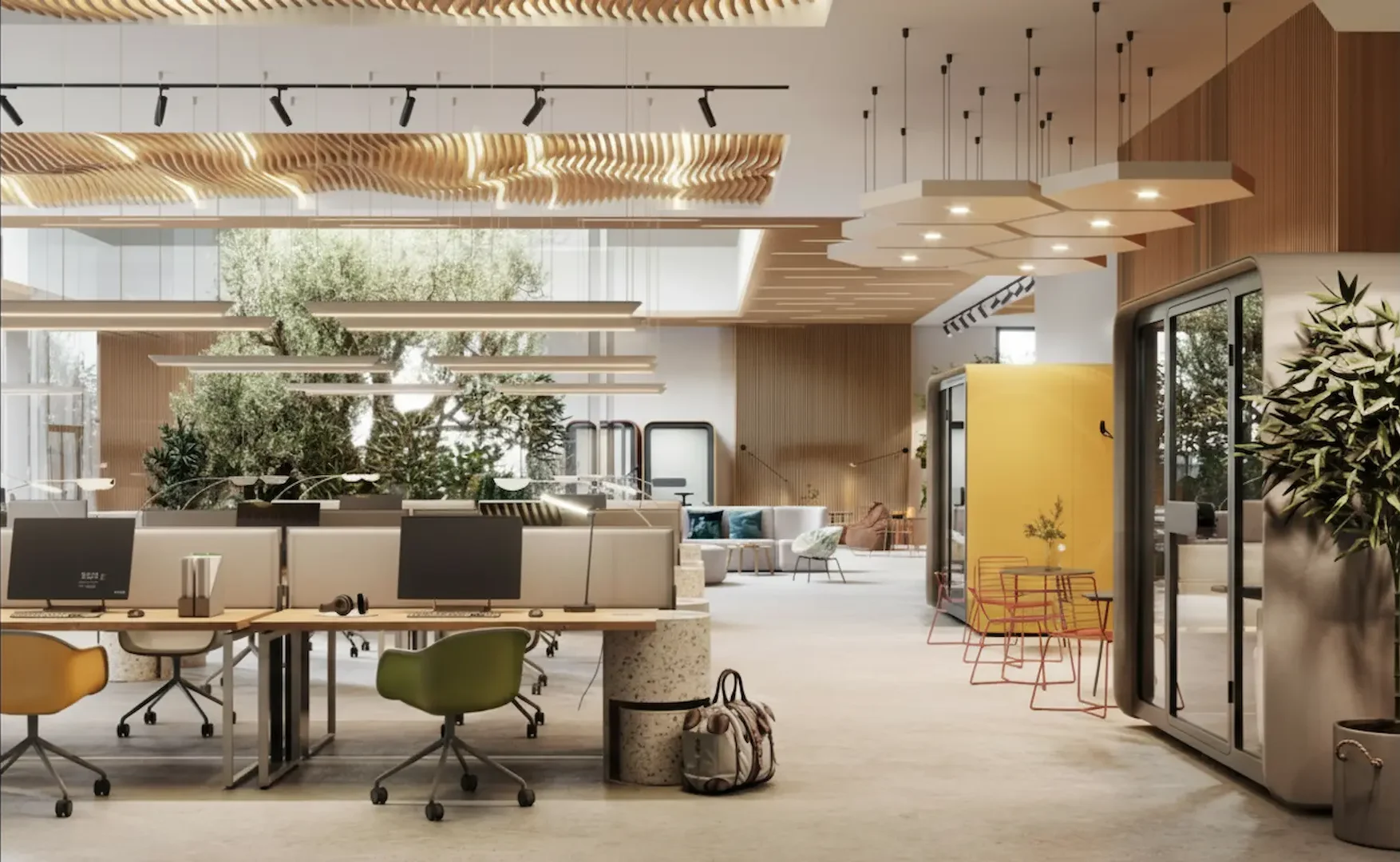
Modern commercial lighting can combine general illumination, task lighting, and decorative fixtures based on how a business uses the space. See how custom lighting transforms Suffolk County businesses.
How Do You Estimate the Savings From an LED Lighting Upgrade?
A useful starting point is to compare the wattage of the existing lighting with the proposed replacement fixtures, then factor in how many hours the lights operate during a typical year.
| Factor | Why It Matters |
|---|---|
| Existing fixture wattage | Establishes how much electricity the current system uses while operating |
| Replacement fixture wattage | Shows the potential reduction in electrical demand from the lighting itself |
| Number of fixtures | Determines how fixture-level savings scale across the property |
| Annual operating hours | A business running lights 12 hours a day has a different savings opportunity than one using them only a few hours |
| Electricity cost | Converts the reduction in energy use into an estimated dollar savings |
| Lighting controls | Occupancy sensors, schedules, and dimming can reduce runtime beyond the savings from the fixtures alone |
A site-specific comparison is more useful than relying on a generic savings percentage because every business has a different fixture count, operating schedule, and electrical rate.
How Can Lighting Controls Reduce Unnecessary Runtime?
Efficient fixtures are only part of the opportunity. Lighting controls can reduce the amount of time fixtures operate when full light output is not needed.
- Occupancy sensors: Useful in storage rooms, restrooms, offices, utility spaces, and other areas that are not continuously occupied.
- Scheduling: Lighting can be coordinated with normal business hours where the equipment and application support it.
- Dimming: Compatible lighting can reduce output when full brightness is unnecessary.
- Daylight-responsive controls: Some commercial spaces can reduce artificial lighting when adequate natural light is available.
- Zoning: Different parts of a building can be controlled separately rather than illuminating the entire property the same way at all times.
DOE guidance also recognizes occupancy sensors, task tuning, dimming, and daylight controls as strategies that can produce additional lighting energy savings when properly matched to the space and equipment. Review DOE lighting-control guidance .

Commercial lighting should support the way customers and employees actually use the space.
How Can Better Commercial Lighting Improve the Space?
A commercial lighting upgrade is not only about reducing wattage. Light output, fixture placement, glare, color quality, and the appearance of the fixtures can all affect how a workspace or customer-facing environment feels.
The best lighting depends on what is happening in the space. A warehouse aisle, office workstation, retail display, restaurant table, parking area, and service counter all have different needs.
Visibility and Employee Comfort
Consistent lighting can make work areas easier to use and reduce distracting dark spots, harsh contrast, and glare. Good fixture selection should account for the task, ceiling height, layout, surrounding surfaces, and how employees move through the space.
Color rendering can also matter. Retail stores, restaurants, showrooms, design spaces, and other businesses may benefit from lighting that presents colors and materials accurately.
Customer Experience in Retail, Restaurants and Hospitality
Lighting is also part of how customers experience a business. Different combinations of ambient, accent, decorative, and task lighting can draw attention to products, make service areas easier to use, highlight architectural features, and establish the atmosphere a business wants.
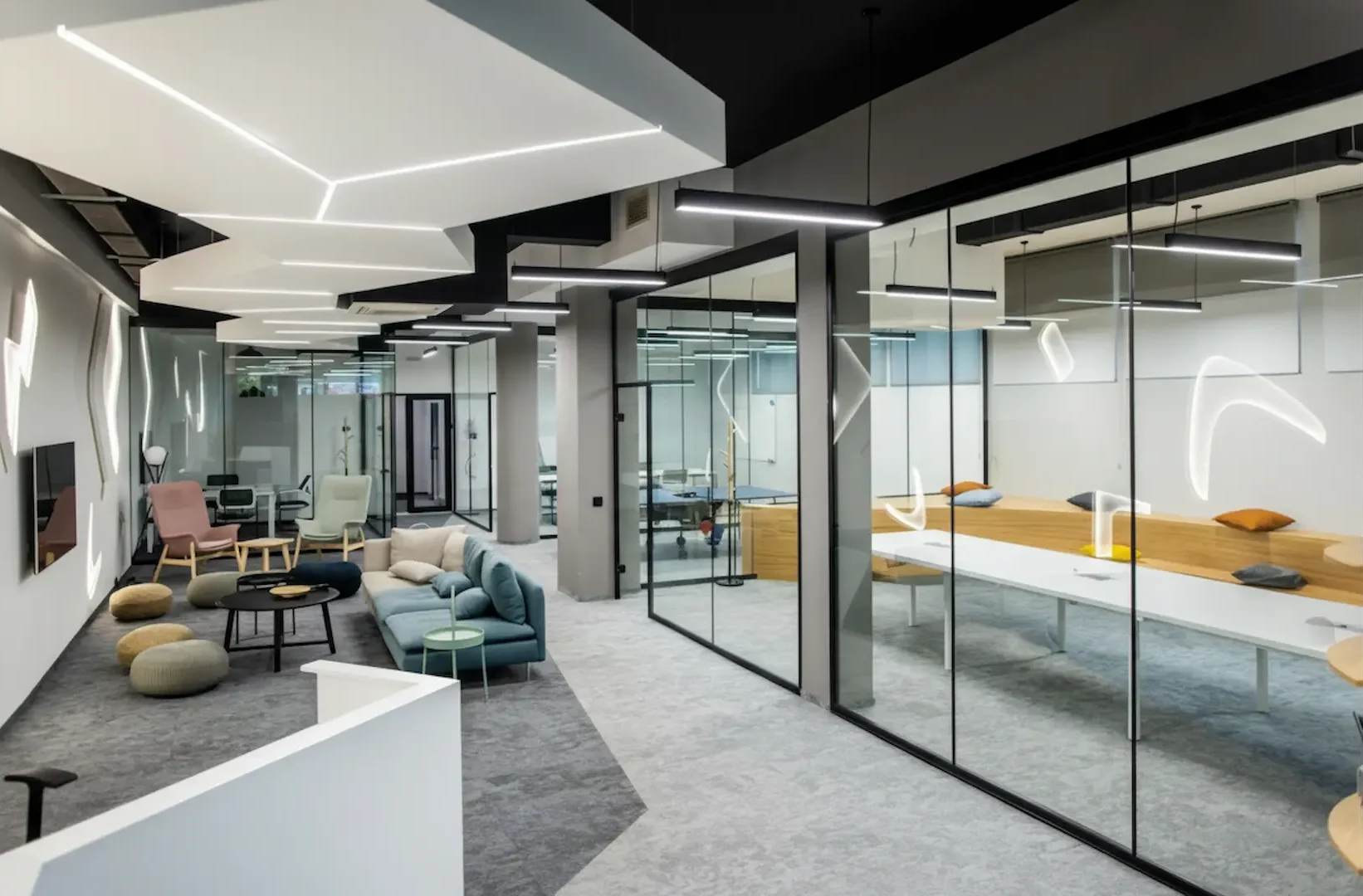
Architectural and commercial lighting can combine practical illumination with the appearance and character of the space.
Are Energy-Efficiency Incentives Available for Suffolk County Businesses?
Energy-efficiency programs and incentives can change from year to year. As of 2026, PSEG Long Island operates a Commercial Efficiency Program for eligible commercial, industrial, institutional, educational, municipal, and qualifying multifamily customers that install eligible energy-efficient equipment.
Eligibility depends on the project and current program requirements. Pre-approval or inspection may be required for some projects, so businesses should verify the applicable program before purchasing or installing equipment.
Important: Do not assume a lighting project qualifies for a particular rebate amount until the current program and equipment eligibility have been confirmed. Incentive rules, eligible equipment, applications, and funding can change.
Current resources include:
- PSEG Long Island Business & Commercial Energy Rebates
- NYSERDA Lighting and Controls Programs & Incentives
Before moving forward with an efficiency project, confirm current eligibility directly with the applicable utility or program administrator.
How Can a Business Estimate Lighting Upgrade Payback?
A simple payback estimate compares the net project cost with the estimated annual savings.
Simple payback:
Net installed project cost ÷ estimated annual energy and maintenance savings = estimated payback period.
A useful estimate should consider:
- Existing fixture wattage and quantity.
- Replacement fixture wattage and quantity.
- Annual operating hours.
- Current electricity cost.
- Expected maintenance differences.
- Any applicable lighting controls.
- Any incentive that has actually been confirmed for the project.
The result is an estimate, not a guarantee. Actual energy use and savings depend on how the facility operates after installation.
What Should a Commercial Lighting Upgrade Include?
A commercial lighting project should start with the needs of the property rather than assuming every old fixture needs a one-for-one replacement.
Licensed Commercial Electrical Work in Suffolk County
RJ & Son Electric is led by licensed and insured Master Electrician Richard Gruttola and provides commercial electrical service throughout Suffolk County.
Commercial lighting work is approached with professional workmanship, clear communication, and respect for the business and property. The exact installation process depends on the building, fixture type, electrical system, and scope of the project.
For broader business electrical needs, visit Commercial Electrical Services.
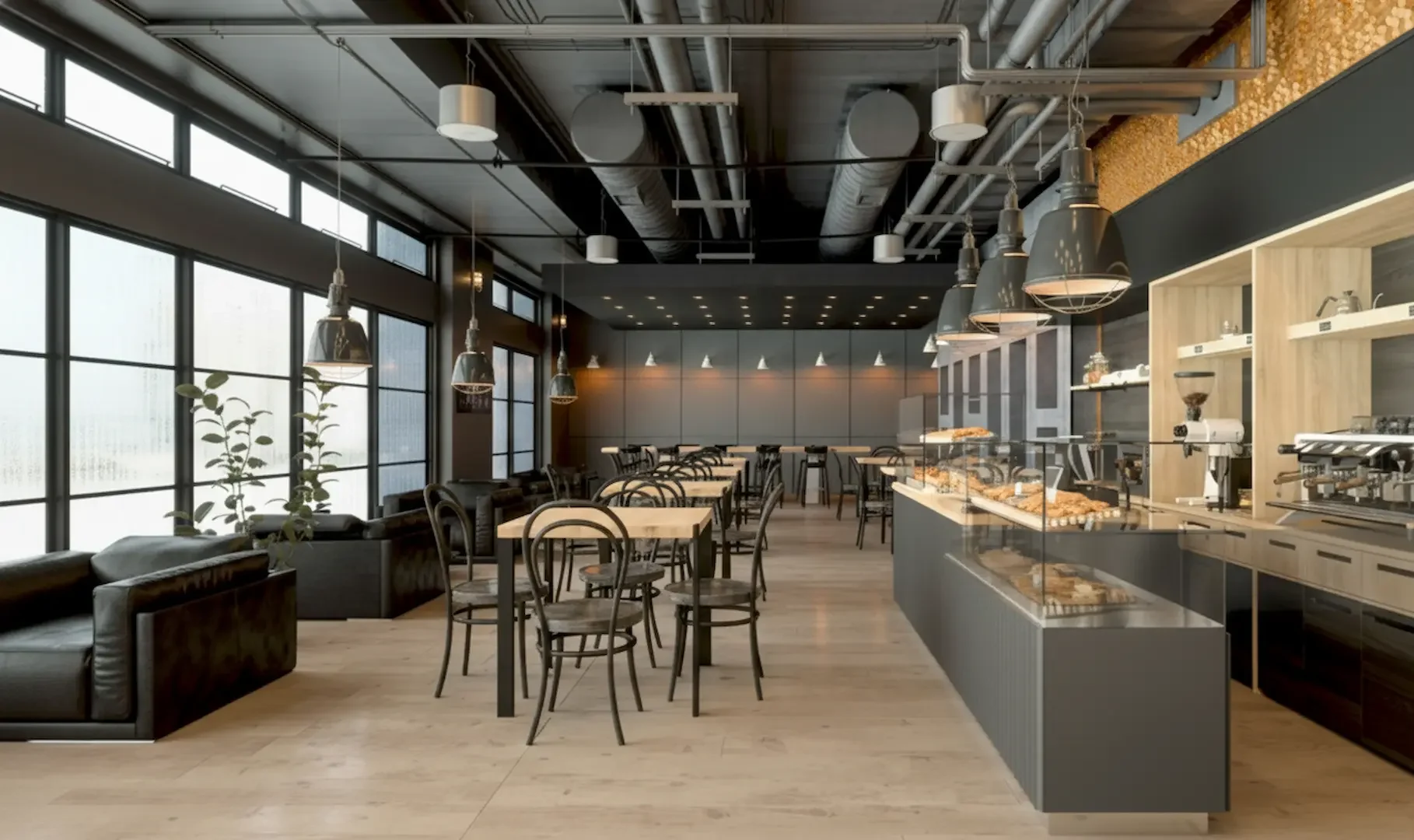
Lighting requirements can vary significantly between offices, restaurants, stores, warehouses, and other commercial environments.
Where Can Commercial LED Lighting Make the Biggest Difference?
Lighting upgrades can make sense in many types of Suffolk County commercial properties, particularly when older fixtures operate for long hours or require frequent maintenance.
Offices
Updated overhead, task, conference-room, and common-area lighting can improve visibility while controls help reduce runtime in unoccupied areas.
Retail Stores
Efficient general lighting can be combined with accent and display lighting to support both visibility and product presentation.
Restaurants & Hospitality
Layered lighting can support food-service tasks, customer areas, decorative features, exterior spaces, and the desired atmosphere.
Warehouses & Work Areas
High-output LED fixtures and appropriate controls can improve usable light while reducing electricity use compared with many older high-bay systems.
Exterior & Parking Areas
Efficient exterior fixtures and appropriate controls can improve visibility while reducing unnecessary lighting runtime.
Mixed-Use Commercial Spaces
Zoning and fixture selection can accommodate spaces that serve different purposes within the same building.
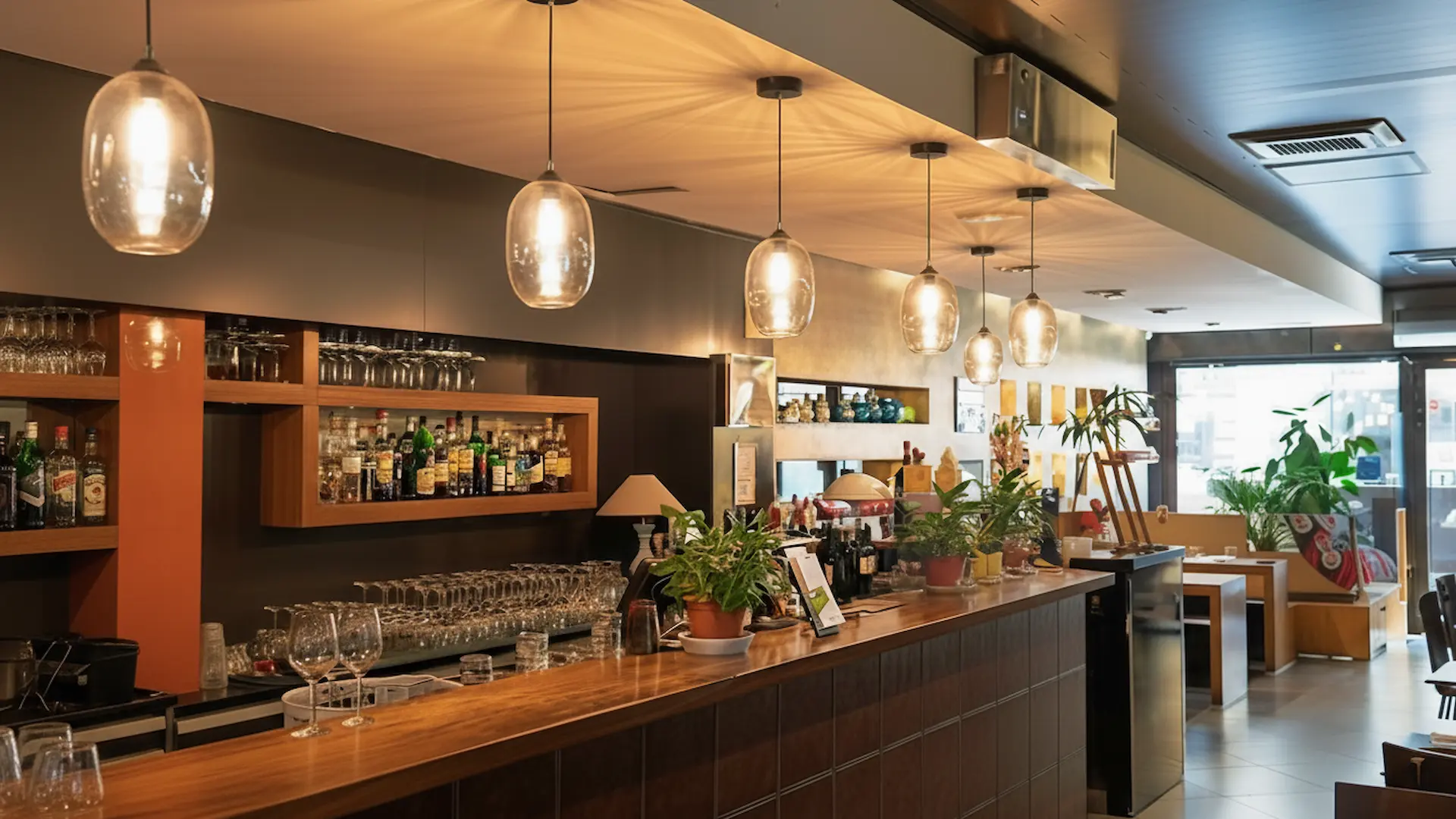
Business lighting can be designed around both practical requirements and the customer-facing character of the space.
How Do Smart Lighting Controls Fit Into a Commercial Upgrade?
Some commercial properties benefit from controls beyond a basic wall switch. Depending on the facility and lighting equipment, controls can automate schedules, respond to occupancy, adjust light output, or separate different areas into zones.
The right level of control depends on how the business operates. A warehouse with intermittently occupied aisles may have different opportunities than a restaurant, office, retail store, or 24-hour facility.
More advanced systems can include networked or building-management integration, but added complexity is not automatically better. The system should make sense for the size of the property, the operating schedule, the expected savings, and the way employees actually use it.
Related Commercial Electrical Improvements
Lighting projects sometimes reveal other electrical needs or become part of a larger commercial improvement project. RJ & Son Electric also provides:
Commercial Electrical Services
Electrical installations, repairs, troubleshooting, lighting, circuits, and other commercial electrical work.
Lighting Installation
Professional indoor and outdoor lighting installation for Suffolk County properties.
Panel Upgrades
Electrical panel and service work when a property needs replacement, modernization, or additional capacity.
EV Charger Installation
Professional electrical evaluation and installation for compatible EV charging equipment.
Frequently Asked Questions About Business Lighting Upgrades
Can LED lighting lower electricity costs for a business?
It can. Modern LED fixtures are generally more energy efficient than many older fluorescent and HID lighting systems. The actual savings depend on the existing fixtures, replacement equipment, fixture count, operating hours, utility rates, and any lighting controls used.
How do I know whether a commercial lighting upgrade is worth the cost?
Compare the project cost with estimated annual electricity and maintenance savings. Fixture wattage, quantity, annual operating hours, controls, electricity rates, and any confirmed incentives should all be considered. A site-specific estimate is more useful than relying on a generic savings percentage.
Are rebates available for commercial lighting upgrades on Long Island?
Energy-efficiency incentives may be available for qualifying commercial projects, but program requirements and eligible equipment can change. Suffolk County businesses should check the current PSEG Long Island Commercial Efficiency Program and other applicable programs before purchasing or installing equipment.
Do occupancy sensors and lighting controls save energy?
They can reduce unnecessary lighting runtime when they are appropriate for the space and properly configured. Occupancy sensors, scheduling, dimming, zoning, and daylight-responsive controls can all be useful depending on how the business operates.
Does every commercial lighting upgrade require replacing every fixture?
No. The appropriate scope depends on the condition of the existing equipment, the needs of each area, operating costs, maintenance concerns, controls, and the goals of the business. A project should be designed around the property rather than assuming every fixture needs the same treatment.
Can RJ & Son Electric install commercial lighting in Suffolk County?
Yes. RJ & Son Electric provides commercial electrical and lighting services throughout Suffolk County. The company is led by Richard Gruttola, a licensed and insured Master Electrician.
Planning a Business Lighting Upgrade?
RJ & Son Electric provides commercial lighting and electrical service throughout Suffolk County. Whether you are replacing outdated fixtures, improving a customer-facing space, adding controls, or planning a larger electrical upgrade, call to discuss your property and project.
Licensed & Insured Master Electrician serving Suffolk County, NY
NY Master License ME-72156
(631) 833-7663 · RichG@rjandsonelectric.com