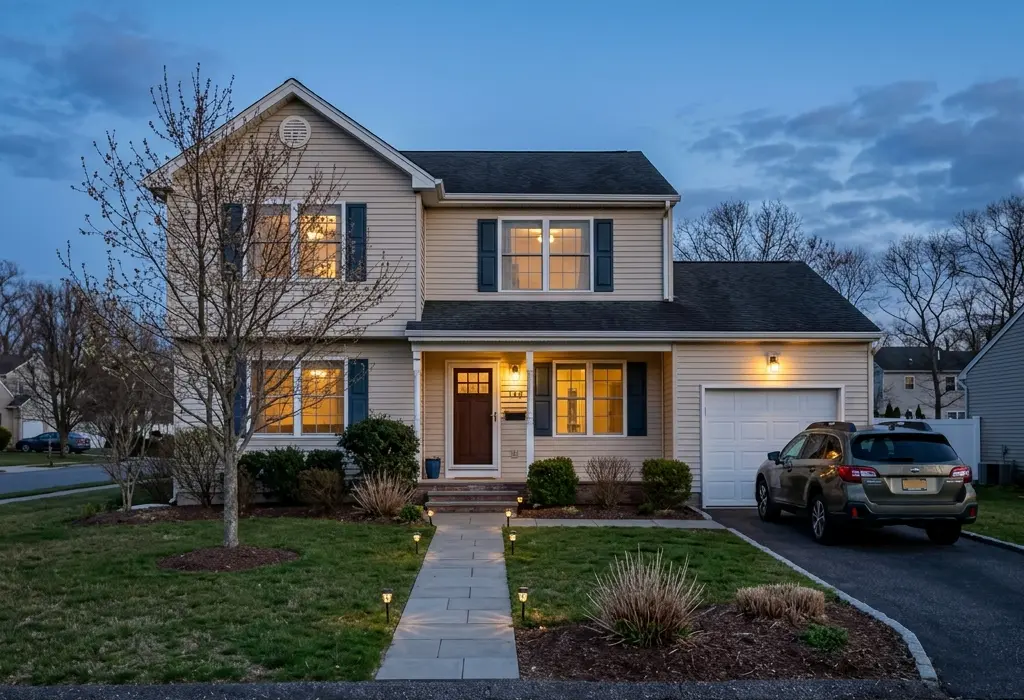
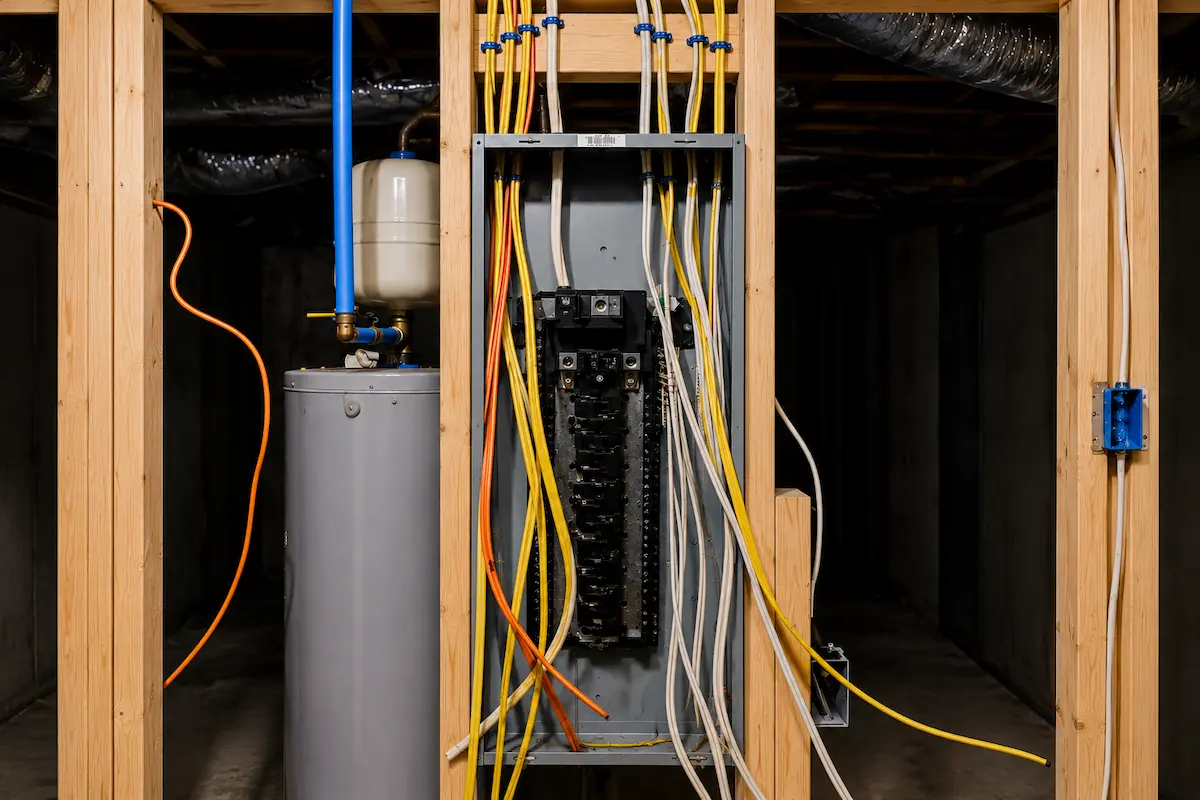
Suffolk County has a lot of older housing stock, from postwar capes to century-old farmhouses. These older structures often hide electrical wiring that was perfectly fine decades ago but was never built for the way we use power today. Investing in a home rewiring project is a bigger undertaking than a simple, single repair. Because of this, it helps to know the warning signs that point to severe electrical issues before a small problem turns into a catastrophic safety hazard. This comprehensive guide covers the two historical wiring types that get the most attention, the everyday warning signs to watch out for, and why this complex work requires a licensed electrician.
Knob-and-Tube Wiring: Why It Outlived Its Safety
Knob-and-tube wiring was common from the late 1800s into the 1930s, running individual wires through ceramic knobs and tubes. The core problem with this setup is that it is not a grounded system, meaning it completely lacks the safety path that modern electrical systems use to handle faults and surges.
Furthermore, the protective cloth insulation becomes incredibly brittle with age and is easily damaged by added home insulation or amateur renovations over the decades. If your house still relies on this outdated system, especially in the attic or basement, it is highly recommended to plan a home rewiring evaluation with a licensed electrician to see if it should be completely replaced.
The Hazards of Aluminum Branch Wiring
Roughly two million homes built between the mid-1960s and early 1970s used aluminum branch wiring instead of copper because copper prices spiked at the time.
Critical Safety Fact: The U.S. Consumer Product Safety Commission (CPSC) has found that homes with aluminum branch wiring are up to 55 times more likely to reach fire-hazard conditions at electrical connections than homes wired with copper.
The reason comes down to basic physics: aluminum expands and contracts significantly more than copper as it heats and cools with electrical current. Over time, that constant physical movement loosens connections at outlets, switches, and lighting fixtures, creating severe electrical resistance and extreme heat. Fortunately, there are approved remediation methods available, and your electrician can recommend the right approach rather than forcing a full home rewiring if a simpler fix fits your budget.
8 Everyday Warning Signs That You Need Home Rewiring
If you notice any of these recurring electrical issues around your Suffolk County house, it is your system warning you that it’s failing:
Two-prong outlets throughout the house (which means there is no grounding path).
Cloth-insulated wiring clearly visible in the basement, attic, or around the electrical panel.
Outlets or switch plates that feel warm to the touch, are discolored, or make a buzzing sound.
Frequent blown fuses or circuit breakers tripping across many different areas of the house.
Lights that flicker or dim across the entire house, not just on one isolated circuit.
A persistent, mysterious burning smell with no obvious source.
Relying constantly on extension cords and power strips because you have too few outlets.
Outlets that no longer hold a plug snugly, or that actively spark when you plug something in.
Why Home Rewiring Is Highly Worth Doing Right
Investing in professional home rewiring brings an older property entirely up to modern safety standards, adds the grounded outlets your electronics require, and permanently removes the structural fire risk that aging systems carry.
The Electrical Safety Foundation International (ESFI) strongly recommends having a thorough electrical inspection performed on any previously owned home that is 40 years or older—a metric that covers a massive share of Suffolk County houses. A complete rewire is also the natural, most cost-effective moment to plan an electrical panel upgrade if your service is currently undersized, since executing both projects together saves you significant time, money, and wall disruption.
What the Home Rewiring Process Involves
A full or partial home rewiring project means running brand-new, safely insulated copper cables to all of your outlets, switches, and fixtures. This wiring is carefully routed through your walls and ceilings and tied into a modern, properly grounded panel.
A skilled electrician plans this delicate structural work to minimize damage to your finished drywall or plaster, handles pulling the local town permits, and ensures the work passes inspection. The scope can range from rewiring a single high-use problem area, like a kitchen or a new home addition, to a comprehensive, top-to-bottom house rewire. An on-site walkthrough is the only true way to determine what your specific property requires.
Buying or Selling an Older Suffolk County House
Electrical issues come up constantly in Long Island real estate transactions. Buyers’ home inspectors are trained to immediately flag knob-and-tube and aluminum systems, and many home insurance companies will flat-out refuse to write a policy—or will charge massive premiums—until the issue is resolved.
If you are currently buying an older home, organizing an electrical inspection before you close tells you exactly what you are taking on. If you are selling, getting ahead of these known issues can keep a profitable real estate deal from completely stalling out at the inspection stage.
How We Approach an Older Long Island House Rewire
Every vintage property is structurally unique, which is why we always start with an in-depth physical walkthrough to see what wiring is actually present, check the health of your electrical panel, and locate the true risks. From there, we recommend the smallest effective scope possible. This might mean remediating aluminum connections, replacing a single dangerous circuit run, or staging a whole-house home rewiring project room by room to help you spread out the cost and structural disruption.
Frequently Asked Questions
How do I know if my house has knob-and-tube or aluminum wiring?
Knob-and-tube shows up as individual wires running through white ceramic cylinders (knobs and tubes), usually visible along basement joists or attic rafters. Aluminum branch wiring is most common in homes built between 1965 and 1973. A licensed electrician can quickly confirm your layout during a safety inspection.
Is aluminum wiring dangerous, and do I have to commit to a full home rewiring?
Homes with old aluminum branch wiring carry a substantially higher risk of structural fire at the connection points, but a full home rewiring is not always mandatory. There are approved, highly effective remediation methods (like AlumiConn connectors or COPALUM crimping) that a licensed electrician can implement to secure your existing connections.
How much does it cost for a home rewiring project in Suffolk County?
The overall cost depends heavily on the square footage of your property, how much of the original system needs to be replaced, and how accessible your walls and ceilings are. An on-site walkthrough and a comprehensive written estimate are the only accurate ways to price your project.
Can I choose to rewire just a part of my older house?
Yes, absolutely. Many of our projects are partial electrical upgrades that target high-demand areas like a kitchen remodel, a new home addition, or specific circuits that show heavy wear and tear, rather than tackling the entire house all at once.
Should I upgrade my electrical panel at the same time as a home rewiring?
In almost all cases, yes. If your current electrical panel is undersized or uses outdated fuses, combining your home rewiring with a panel upgrade saves a significant amount of money on labor and reduces home disruption compared to scheduling them as separate projects.