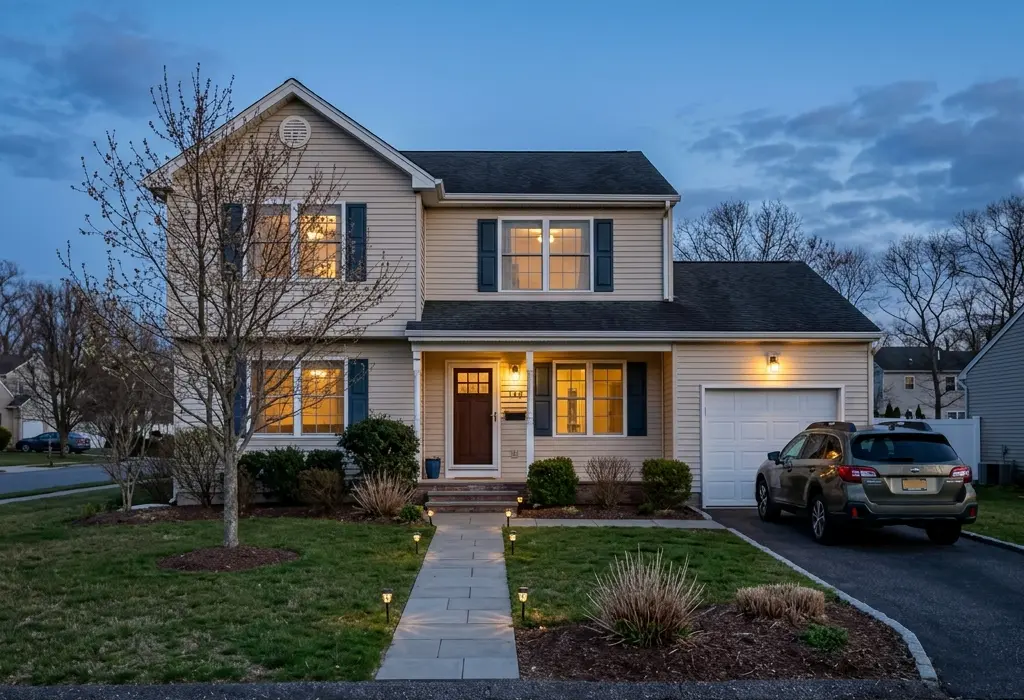
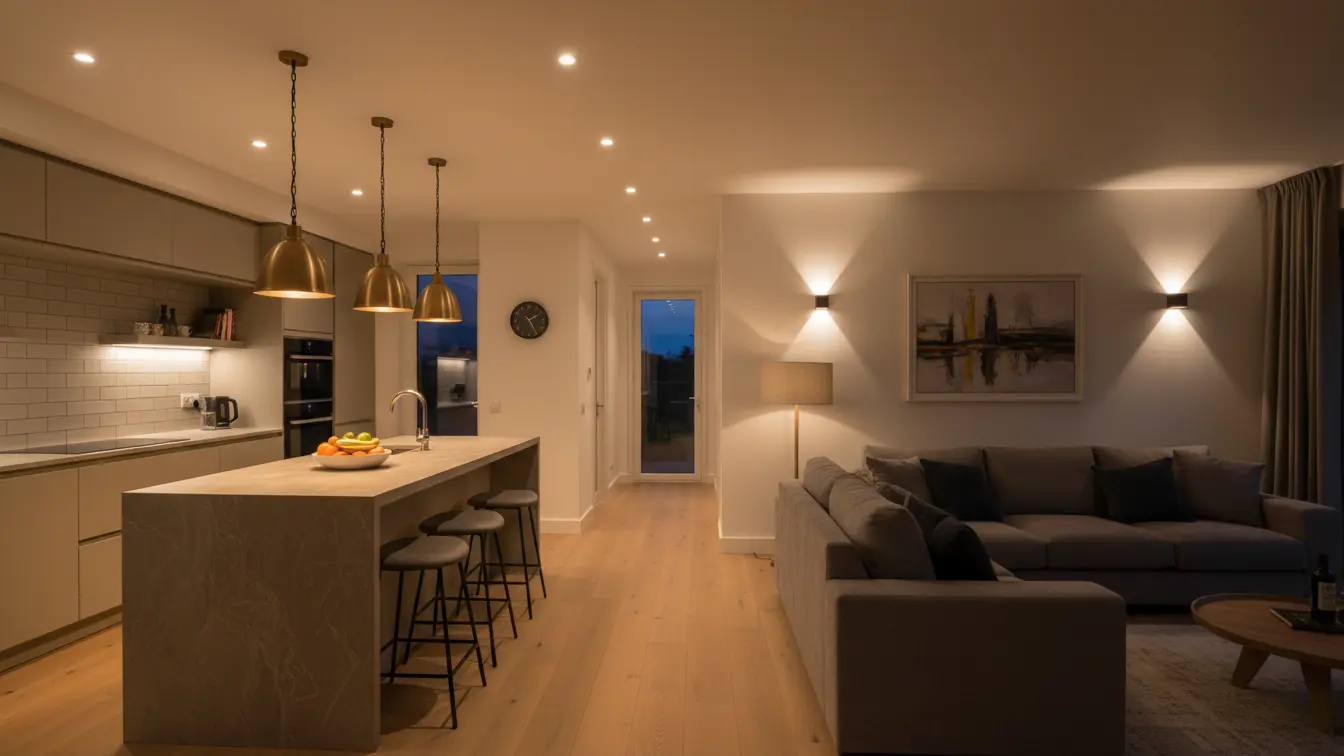
LED lighting can reduce the electricity used for lighting while giving Suffolk County homeowners more choices in brightness, color temperature, fixture style, dimming, and lighting controls. But the actual savings depend on what lighting you are replacing, how many hours the lights operate, and the products you choose.
A good LED upgrade is therefore about more than replacing every bulb in the house. It can also involve choosing the right light output, correcting incompatible dimmers, updating old fixtures, adding recessed or under-cabinet lighting, and planning outdoor lighting around how the property is actually used.
RJ & Son Electric provides lighting installation throughout Suffolk County. The company is led by Richard Gruttola, a licensed and insured Master Electrician.
Planning an LED lighting upgrade?
Call RJ & Son Electric at
(631) 833-7663
or
request a lighting quote.
How Much Energy Can LED Lighting Actually Save?
LED lighting is significantly more efficient than traditional incandescent lighting. Read our guide to choosing energy-efficient lighting.
ENERGY STAR currently states that certified LED bulbs can use up to 90% less energy than standard bulbs and can last about 15 times longer. ENERGY STAR also estimates that replacing the five most frequently used light fixtures or bulbs in a home with ENERGY STAR-certified lighting can save about $40 per year in energy costs.
Those numbers are useful for understanding the technology, but they are national estimates rather than a guaranteed savings figure for an individual Suffolk County household.
LED Savings in Context
The amount you save depends on what you replace, the wattage difference, how long each light operates, the number of fixtures, your electricity rate, and how the lighting is controlled.
A fixture used several hours every day generally offers more energy-saving opportunity than a closet light that operates for only a few minutes at a time.
For current national efficiency guidance, see: ENERGY STAR energy-saving lighting guidance .
Why Wattage Does Not Tell You How Bright an LED Will Be
One of the most useful changes when shopping for LEDs is to stop thinking about brightness only in watts.
Watts describe electrical power consumption. Lumens describe light output.
Traditional incandescent bulbs trained homeowners to associate higher wattage with more light because those products followed familiar wattage ranges. LEDs can produce similar light output while consuming much less electrical power.
| Lighting Term | What It Tells You | Why It Matters |
|---|---|---|
| Lumens | How much light a product produces | Use this when comparing brightness |
| Watts | How much electrical power the product uses | Useful when comparing energy consumption |
| Kelvin | The apparent color temperature of the light | Helps determine whether the light feels warmer or cooler |
| CRI | How accurately colors appear under the light | Can matter in kitchens, bathrooms, closets, artwork areas, retail, and other color-sensitive spaces |
LED Bulbs vs. New LED Fixtures
An LED upgrade does not always mean replacing the entire fixture.
In some locations, replacing a compatible traditional bulb with an LED bulb may be all that is needed. In other areas, a homeowner may want a new fixture, recessed lighting, under-cabinet lighting, or another lighting layout entirely.
LED Bulb Replacement
Appropriate when an existing fixture accepts a compatible replaceable lamp and the homeowner is satisfied with the fixture and lighting layout.
New LED Fixture
Useful when the existing fixture is damaged, outdated, poorly located, or no longer provides the type of lighting the room needs.
Recessed LED Lighting
Can provide a cleaner ceiling appearance and more evenly planned general or task lighting depending on fixture placement.
Under-Cabinet Lighting
Adds focused lighting to kitchen counters, work areas, shelving, or other surfaces where overhead lighting may create shadows.
The right choice depends on the room, existing wiring, fixture condition, lighting goals, and budget.
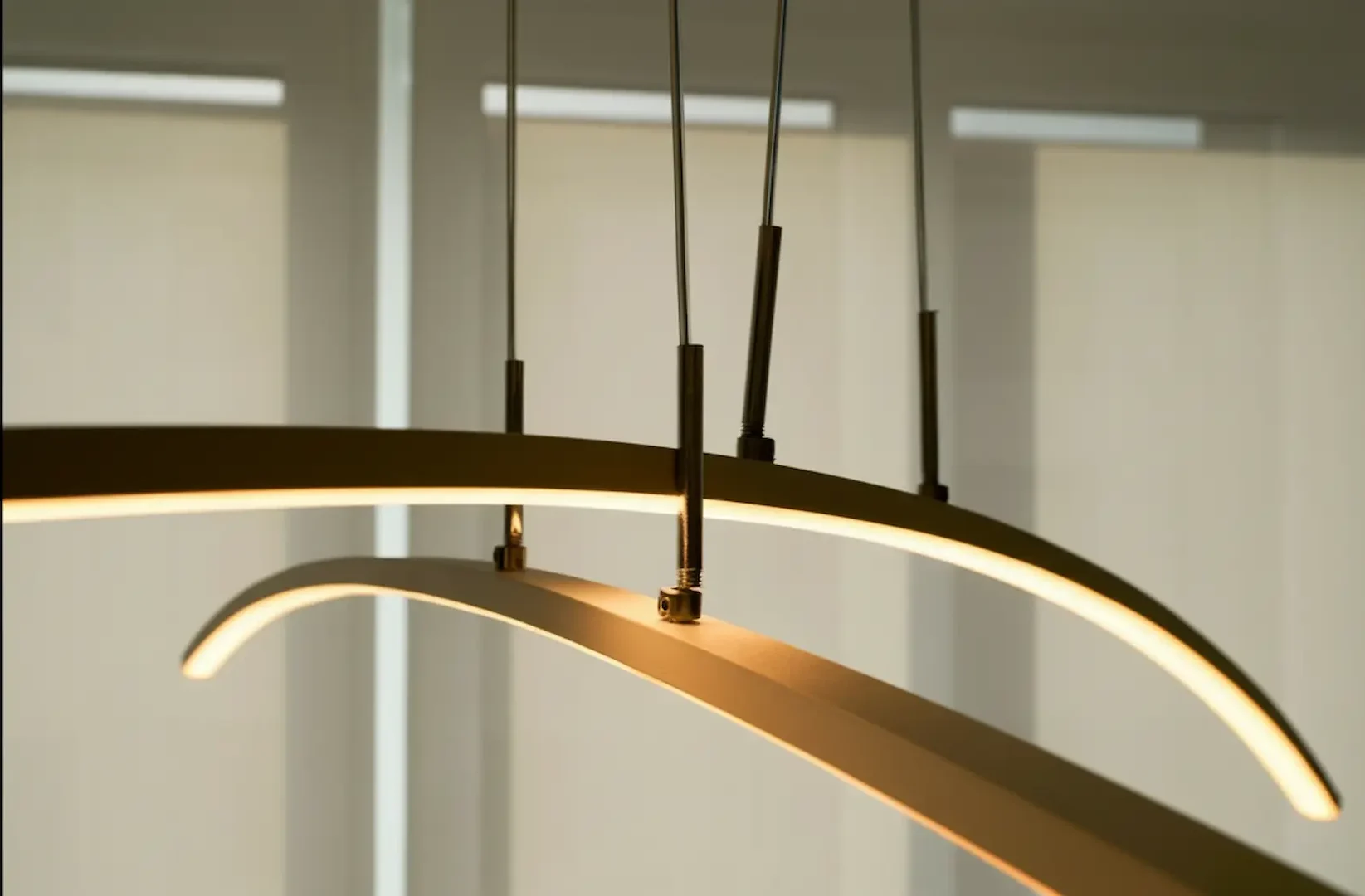
LED technology is available in bulbs, recessed lighting, decorative fixtures, task lighting, and many other residential applications.
Choosing the Right LED Color Temperature
Color temperature has a major effect on how a room looks and feels.
It is measured in Kelvin, usually shown on the package as a number followed by the letter K.
| Approximate Color Temperature | General Appearance | Where Homeowners Often Consider It |
|---|---|---|
| 2700K | Warm, similar to traditional incandescent lighting | Living rooms, bedrooms, dining areas, and spaces where a warmer appearance is preferred |
| 3000K | Warm but slightly cleaner or less amber | Kitchens, bathrooms, hallways, living spaces, and modern interiors |
| 3500K | More neutral | Work areas or rooms where homeowners want a balance between warm and cool light |
| 4000K | Cooler and crisper | Garages, workspaces, utility areas, offices, or rooms where a cooler appearance is preferred |
These are preferences, not rules.
One homeowner may like 2700K in a kitchen while another prefers 3000K or 4000K. The important thing is understanding what the product will look like before installing dozens of fixtures throughout the house.
Consistency matters. Mixing noticeably different color temperatures in the same open area can make otherwise good lighting look mismatched. Check the Kelvin rating before purchasing replacement lamps or fixtures.
What Is CRI and Does It Matter?
CRI stands for Color Rendering Index. It describes how accurately colors appear under a light source compared with a reference source.
CRI can be especially noticeable in areas where color matters, including:
- Kitchens and food-preparation spaces.
- Bathrooms and vanities.
- Closets and dressing areas.
- Artwork displays.
- Hobby or craft spaces.
- Retail or product-display areas.
CRI is only one part of choosing good lighting. Brightness, color temperature, glare, beam spread, fixture placement, dimming behavior, and the surfaces in the room can all affect the final result.
Why Do LED Lights Flicker on a Dimmer?
LED dimming problems are common because the lamp or fixture, electronic driver, and dimmer need to work properly together.
Symptoms can include:
- Flickering at certain dimmer settings.
- Lights that do not dim very low.
- Lights that suddenly shut off near the bottom of the dimming range.
- Buzzing or humming.
- Lights that flash when first switched on.
- Several fixtures on the same control behaving differently.
Installing a dimmer designed for LED loads may solve some compatibility problems, but it is not accurate to say that changing the dimmer always fixes flicker.
The cause can also involve the LED product itself, the fixture driver, the number of lamps on the circuit, control compatibility, wiring conditions, or another electrical issue.
If LED lighting flickers even when it is not being dimmed, or if flickering affects several areas of the home, the problem deserves broader electrical troubleshooting rather than assuming the lights themselves are responsible.
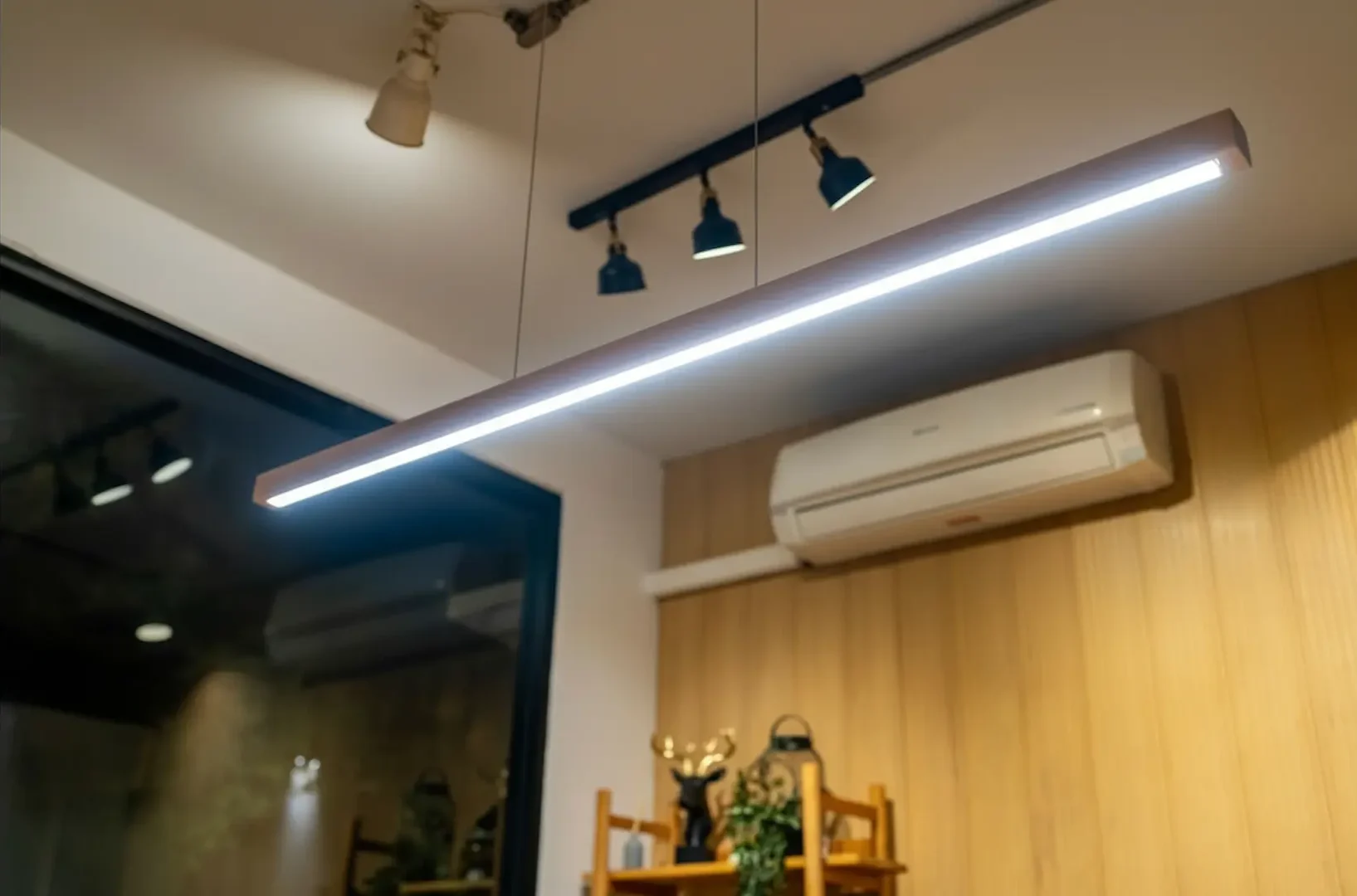
Fixture design, light output, color temperature, controls, and placement all affect how an LED lighting installation performs.
Can Dimmers Reduce Lighting Energy Use?
When compatible dimmable lighting is operated below full output, electrical consumption can be reduced while the lights are dimmed.
Dimmers can also be useful because full brightness is not necessary for every activity or every time of day.
The key is compatibility. Not every LED lamp or fixture is dimmable, and not every dimmer is designed to work properly with every LED product.
Replacing Old Fluorescent Lighting With LED
Kitchens, basements, garages, workshops, offices, and utility spaces may still contain fluorescent lighting.
Moving to LED can reduce energy use and may also reduce lamp replacement frequency, but there are several ways to approach an existing fluorescent fixture.
Depending on the fixture and products involved, an upgrade may involve:
- Replacing the entire fluorescent fixture with a new LED fixture.
- Using an LED retrofit product designed for the existing application.
- Changing the fixture or wiring configuration when the selected product requires it.
These approaches are not interchangeable. The LED product needs to be installed according to the equipment and manufacturer's requirements.
For a homeowner who wants a cleaner finished appearance, replacing an aging fluorescent fixture entirely may also create an opportunity to rethink the lighting layout instead of simply reproducing the old fixture arrangement.
Recessed LED Lighting
Recessed LED lighting has become popular because modern fixtures can provide useful light from a relatively low-profile ceiling installation.
A good recessed-lighting plan considers more than the number of fixtures.
Factors include:
- Room dimensions.
- Ceiling height.
- Fixture output and beam spread.
- Furniture and work areas.
- Cabinets and countertops.
- Natural light.
- Color temperature.
- Dimming and control preferences.
- Existing wiring and ceiling conditions.
Too few lights can leave dark areas, while adding more fixtures than the space needs can create glare and an overly bright ceiling.
RJ & Son Electric's lighting installation service includes recessed lighting, kitchen lighting, under-cabinet lighting, dimmers, and other residential lighting projects. :contentReference[oaicite:3]{index=3}
Kitchen and Under-Cabinet LED Lighting
Kitchen lighting often works best when it is planned in layers rather than relying on one bright ceiling fixture.
A project may combine:
- General ceiling lighting.
- Recessed lighting.
- Pendant lighting.
- Under-cabinet task lighting.
- Dining-area lighting.
- Separate controls or dimming for different lighting zones.
Under-cabinet lighting can be particularly useful because overhead lights can leave work surfaces in shadow when the person using the counter is standing between the ceiling fixture and countertop.
Bathroom and Vanity LED Lighting
Bathroom lighting should be selected around the way the space is used and the fixture location.
Vanity lighting can benefit from good color rendering, while overhead lighting can provide general illumination for the room.
Fixture selection also needs to be appropriate for the location where it will be installed, particularly where moisture exposure is a consideration.
LED Lighting for Home Offices and Work Areas
Home offices, workshops, garages, utility rooms, craft spaces, and other work areas often benefit from lighting chosen for visibility and task performance rather than atmosphere alone.
Useful considerations include:
- Adequate light at the actual work surface.
- Controlling screen glare.
- A color temperature the user finds comfortable.
- Fixture placement that avoids unwanted shadows.
- Separate task and general lighting where useful.
More light is not automatically better. Proper placement and control can matter as much as raw brightness.
Outdoor LED Lighting
LED technology works well for many outdoor lighting applications because efficient fixtures are available in a wide range of outputs, beam patterns, color temperatures, and control options.
Projects can include:
- Porch and entry lighting.
- Garage lighting.
- Driveway lighting.
- Pathway and landscape lighting.
- Deck and patio lighting.
- Security and motion-controlled lighting.
- Exterior building lighting.
Controls such as timers, photosensors, and motion sensors can reduce unnecessary operating time when correctly matched to the application.
Brighter is not automatically safer outdoors. Excessively bright or poorly aimed fixtures can create glare and harsh contrast. Good outdoor lighting should put useful light where it is needed without unnecessarily lighting windows, neighboring properties, or the sky.
Should You Replace Every Light in the House at Once?
Not necessarily.
If the goal is primarily energy savings, it often makes sense to start with lighting that operates the most.
Examples might include:
- Kitchen lighting.
- Living-room lighting.
- Frequently used hallway lighting.
- Exterior lights that operate for several hours each night.
- Home-office or work-area lighting used every day.
Less frequently used fixtures can be changed later unless the homeowner is also renovating, changing the design, or replacing older equipment.
How Do You Estimate the Savings From an LED Upgrade?
The basic concept is simple: compare the power used by the existing lighting with the power used by the proposed LED lighting, then consider how many hours the lights operate.
The biggest factors are:
- Existing fixture or lamp wattage.
- Replacement LED wattage.
- Number of fixtures.
- Average daily operating hours.
- Electricity rate.
- Use of dimmers, timers, occupancy controls, or photosensors.
This is why two homeowners can make seemingly similar LED upgrades and see different savings.
A large group of lights operating for many hours each day offers much more savings potential than replacing a handful of rarely used bulbs.
Will LED Lighting Guarantee a Lower Electric Bill?
No electrician should guarantee that a home's total electric bill will fall by a specific amount simply because LED lighting is installed.
LEDs can reduce the electricity consumed by the lighting being replaced when the new lighting uses less power. But a household electric bill also includes heating and cooling equipment, water heating, appliances, EV charging, electronics, pumps, and many other electrical loads.
LED lighting should therefore be described as an energy-efficiency improvement, not a guarantee about the home's total monthly utility bill.
When Does an LED Lighting Project Need an Electrician?
Replacing a compatible screw-in bulb is very different from changing permanent electrical equipment.
A licensed electrician is appropriate when the project involves:
- Installing new fixtures.
- Adding recessed lighting.
- Adding or relocating lighting circuits.
- Installing new switches or dimmers.
- Replacing hardwired fluorescent fixtures.
- Adding under-cabinet lighting that requires electrical wiring.
- Troubleshooting recurring flicker or other electrical symptoms.
- Adding outdoor or security lighting.
- Repairing damaged wiring or fixture boxes.
RJ & Son Electric is led by Richard Gruttola, a licensed and insured Master Electrician serving Suffolk County.
Lighting Installation
Recessed, kitchen, under-cabinet, decorative, exterior, security, landscape, and other lighting projects.
Dimmers & Controls
Installation and troubleshooting when new LED lighting needs compatible switching, dimming, or control equipment.
Electrical Troubleshooting
Evaluation when flickering, buzzing, intermittent operation, or other symptoms may involve more than the lighting product itself.
Residential & Commercial
RJ & Son Electric provides lighting and other electrical work for homes, businesses, and light industrial properties throughout Suffolk County.
What About LED Lighting for a Business?
Commercial lighting has different considerations because fixture quantities, operating hours, workspace requirements, controls, maintenance access, and energy use can be much greater than in a home.
If you are evaluating LEDs for an office, retail space, work area, or other commercial property, see our guide to upgrading business lighting in Suffolk County and our commercial electrical services.
Frequently Asked Questions About LED Lighting Upgrades
Do LED lights really use less electricity?
Yes. ENERGY STAR states that certified LED bulbs can use up to 90% less energy than standard bulbs while providing comparable light output. Actual savings depend on the products being compared and how long the lighting operates.
How much money will I save by switching to LED lighting?
There is no single savings amount for every home. ENERGY STAR estimates that replacing the five most frequently used fixtures or bulbs with ENERGY STAR-certified lighting can save about $40 per year nationally. Your actual savings depend on existing wattage, replacement wattage, operating hours, electricity rates, fixture count, and controls.
What color temperature should I choose?
It depends on the appearance you prefer. Around 2700K has a warm incandescent-like appearance, while 3000K is still warm but slightly cleaner. Higher temperatures such as 3500K and 4000K appear progressively cooler. There is no one correct temperature for every kitchen, bedroom, bathroom, or workspace.
Why do my LED lights flicker when I dim them?
Flicker can result from compatibility between the LED product and dimmer, the fixture driver, the dimming range, wiring conditions, or another electrical issue. An LED-rated dimmer may help, but changing the dimmer does not guarantee that every flicker problem will disappear.
Is it worth replacing fluorescent lighting with LED?
It can be a useful upgrade when the new LED system reduces power consumption or improves the lighting layout. The correct approach depends on the existing fluorescent fixture and the replacement product. Some projects involve complete fixture replacement while others use compatible retrofit equipment.
Can RJ & Son Electric install recessed LED lighting?
Yes. RJ & Son Electric installs recessed lighting along with kitchen lighting, under-cabinet lighting, decorative fixtures, outdoor lighting, dimmers, and other lighting systems throughout Suffolk County.
Can you replace an old dimmer when installing LED lights?
Yes, when a different control is appropriate for the selected lighting. The LED lamps or fixtures and dimmer should be evaluated for compatibility rather than assuming every LED product works with every dimmer.
Do LED lights last longer than incandescent bulbs?
Generally, yes. ENERGY STAR states that certified LED bulbs can last about 15 times longer than standard bulbs. Actual service life varies with the product, operating conditions, fixture, heat, controls, and usage.
Does RJ & Son Electric install LED lighting throughout Suffolk County?
Yes. RJ & Son Electric provides residential, commercial, and light industrial lighting installation throughout Suffolk County. Richard Gruttola is a licensed and insured Master Electrician, License ME-72156.
Related Lighting & Electrical Resources
Lighting Installation
Residential and commercial recessed, interior, outdoor, security, landscape, and specialty lighting installation.
Electrical Troubleshooting
Professional troubleshooting when flickering, buzzing, intermittent operation, or other symptoms may involve the electrical system.
Ceiling Fan Installation
Installation of new or replacement ceiling fans and fan-light combinations.
Commercial LED Lighting
A separate guide for businesses considering LED lighting and lighting-control upgrades.
Planning an LED Lighting Upgrade in Suffolk County?
RJ & Son Electric installs recessed lighting, LED fixtures, under-cabinet lighting, dimmers, exterior lighting, security lighting, and other residential and commercial lighting systems. Richard Gruttola is a licensed and insured Master Electrician who can help plan the electrical side of your lighting project around the space and equipment being installed.
Licensed & Insured Master Electrician serving Suffolk County, NY
Master Electrician License ME-72156
(631) 833-7663 · RichG@rjandsonelectric.com